Navigating the Future of Digital Freight Forwarding Efficiency
Friday, July 31 2026
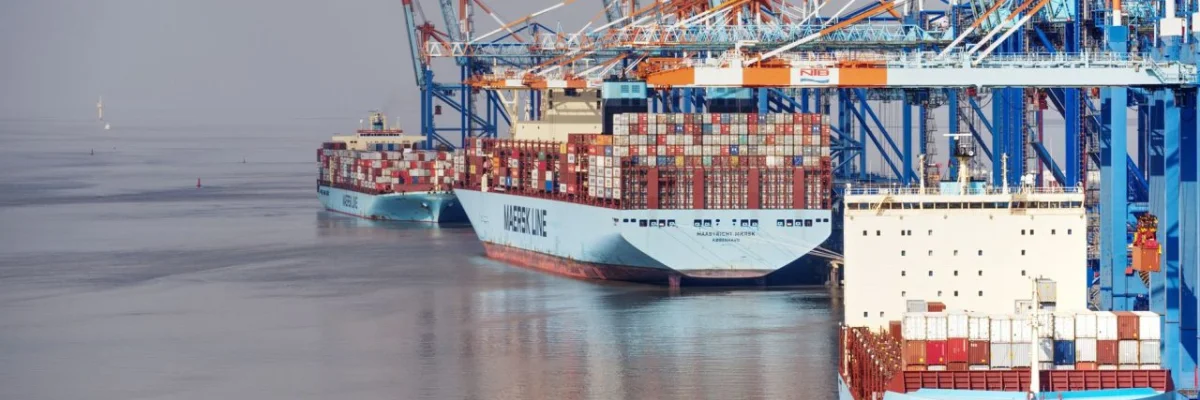
The global logistics landscape is undergoing a massive transformation driven by the rapid adoption of cloud based technology and real time data analytics. For freight forwarding professionals, staying competitive means moving beyond traditional paper based systems and embracing automated platforms that enhance visibility across every stage of the supply chain. As market volatility continues to challenge established shipping lanes, digital integration has become the primary differentiator for companies seeking to optimize their operations. By leveraging advanced software solutions, forwarders can now reduce overhead costs, improve decision making capabilities, and provide superior client service in an increasingly complex and interconnected international trade environment.
Modernizing Terminal Operations
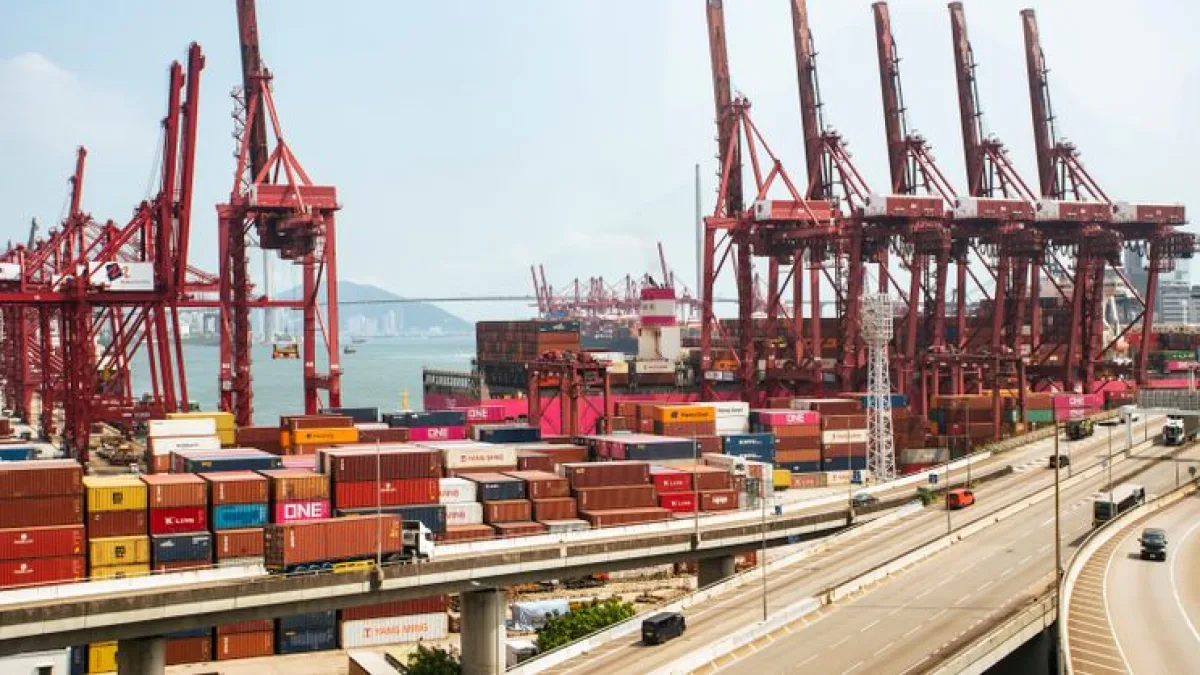
Technological upgrades at major ports are fundamentally altering how cargo moves from ship to shore, requiring forwarders to integrate these new standards into their existing workflows to avoid costly downtime and improve overall processing speeds for global shipments.
- Automated Gate Systems: Smart gates utilize advanced optical character recognition to verify container numbers automatically, which significantly reduces truck idling times and speeds up the movement of goods through ports.
- Real Time Tracking: Digital integration provides live updates on container status, allowing forwarders to proactively inform clients about any delays while optimizing their routing strategies for better performance.
- Electronic Documentation: Moving away from manual paperwork towards digitized document submission minimizes human error and accelerates customs clearance times for international shipments operating on tight delivery schedules today.
- Data Integration Hubs: Centralized platforms act as a single source of truth for all shipping stakeholders, ensuring that critical information flows seamlessly between carriers, forwarders, and logistics service providers.
These infrastructure improvements represent a significant step toward a fully paperless industry standard. Forwarders who adopt these digital tools early will find themselves better positioned to handle complex logistical hurdles. By aligning internal processes with port level automation, companies can significantly boost their throughput capacity, ensuring that every shipment is handled with precision and speed in this demanding global market environment.
Streamlining Global Logistics Chains

Navigating international supply chains requires a level of coordination that traditional manual spreadsheets simply cannot support, necessitating sophisticated software that connects every point of the journey to ensure total transparency for complex, multimodal shipping routes across multiple global regions.
- Multimodal Visibility Solutions: Advanced tracking systems consolidate data from air, sea, and land transport into a unified dashboard, providing forwarders with a comprehensive view of their ongoing shipment progress.
- Automated Route Planning: Intelligent software analyzes historical traffic and weather patterns to suggest the most efficient transit paths, saving fuel costs and reducing time spent on delayed vessels.
- Predictive Analytics Tools: Using historical data models, forwarders can now forecast potential bottlenecks before they occur, allowing for proactive adjustments to routing that safeguard against serious supply chain disruptions.
- Compliance Management Systems: Automated regulatory updates ensure that every shipment remains compliant with international laws, reducing the risk of fines and preventing unexpected cargo holds at border crossings.
Efficiency in logistics is no longer optional but a baseline requirement for sustainable growth in the freight sector. These platforms empower teams to shift their focus from reactive problem solving to proactive service delivery. By automating routine documentation and route optimization, companies can scale their operations effectively without increasing their headcount, ultimately creating a more resilient supply chain that serves clients better.
Enhancing Client Communication Strategies

Clear communication is the heartbeat of client relations in logistics, and today, customers expect instant access to their shipment information through secure portals rather than relying on phone calls or lengthy email chains that slow down the business.
- Client Portals Access: Secure online gateways allow customers to check the status of their cargo 24/7, reducing the administrative burden on forwarder support staff and boosting overall satisfaction.
- Automated Status Alerts: Proactive notifications sent via email or mobile push messages ensure that clients remain informed about key milestones without requiring constant manual updates from employees.
- Transparent Billing Systems: Digitized invoicing provides clients with a breakdown of costs and services, fostering trust and reducing the likelihood of payment disputes or invoice processing errors.
- Collaborative Workspaces: Integrated messaging tools within software platforms keep all communications tied to specific shipments, ensuring that context is never lost and team members remain perfectly aligned.
Transforming client interaction through digital portals fosters deeper trust and loyalty between forwarders and their customers. By giving stakeholders direct access to information, teams save hours of manual reporting each week. This shift toward self service not only elevates the quality of service provided but also allows staff to dedicate more time to solving high value strategic problems for their clients.
Scaling Through Cloud Infrastructure

Cloud based platforms allow freight forwarding firms to scale their operations quickly, enabling businesses to add new users and features without the need for heavy investments in physical servers or complex on site IT infrastructure maintenance tasks.
- Remote Access Capability: Cloud systems enable employees to securely access critical shipment data from any location, facilitating global collaboration and supporting a modern flexible work environment for teams.
- Cybersecurity Protocol Updates: Leading software providers implement robust security measures and automatic patches, ensuring that sensitive shipment data remains protected against emerging threats without extra internal effort.
- Flexible Subscription Models: Scalable pricing plans mean that companies only pay for the features they actually use, allowing small to medium firms to access powerful enterprise level tools.
- System Interoperability Features: Robust APIs allow for easy integration with existing ERP or accounting systems, ensuring a smooth transition to digital workflows without losing valuable legacy data.
Adopting cloud technology is a vital strategic move for any forwarder aiming to stay relevant in a fast paced digital economy. The agility provided by these systems ensures that businesses can adapt to changing market conditions with ease. By removing technical barriers and focusing on data driven growth, logistics firms can build a stronger, more flexible future that easily handles global demand.
Conclusion

The industry is undeniably moving toward a fully connected digital ecosystem where speed and data accuracy define success. Forwarders who integrate modern cloud solutions now will gain a significant competitive edge by reducing manual errors and improving client engagement. Start exploring how digital transformation can optimize your current operations today to ensure long term success in the rapidly evolving world of global freight shipping.