Navigating the Future of Digital Freight Forwarding Efficiency
Saturday, August 1 2026

The global logistics landscape is undergoing a rapid transformation as digital adoption becomes the primary driver of competitive advantage for freight forwarders everywhere. Relying on legacy systems and manual data entry creates bottlenecks that slow down operations and frustrate international shippers. By integrating advanced cloud technology into daily workflows, forwarders can reclaim lost time and improve their margins significantly. Modern platforms like MakeCargo are helping industry professionals navigate this transition by centralizing complex shipment data into one intuitive interface. As we look ahead, the ability to automate mundane tasks will determine which companies survive and thrive in this increasingly fast paced global market.
Optimizing Supply Chain Visibility

Real time tracking is no longer just a luxury but a fundamental expectation from modern cargo clients. Implementing robust visibility solutions allows forwarders to monitor every milestone of a shipment, ensuring that potential delays are identified and mitigated before they impact delivery timelines.
- Automated status updates: Keep your clients informed through instant notifications triggered by system milestones rather than manual emails. This ensures transparency and builds lasting trust with every international shipping partner.
- Centralized data access: Consolidate all shipment documents and carrier tracking numbers within a single platform for rapid retrieval. This eliminates time spent searching through scattered email threads and folders.
- Proactive disruption management: Identify bottlenecks in transit schedules immediately using integrated analytics tools that alert your team to potential routing issues. Early detection prevents expensive last minute cargo delays.
- Enhanced client reporting: Generate professional performance dashboards for your customers to showcase your operational efficiency. Data driven insights provide a clear value proposition during your annual contract negotiations.
Achieving total transparency across the supply chain is essential for maintaining a competitive edge in today's market. When forwarders provide clients with accurate, real time updates, they reduce communication overhead and improve overall satisfaction scores. Investing in visibility tools ensures that your team focuses on high value problem solving instead of performing repetitive status checks, ultimately leading to higher retention rates and sustainable business growth.
Streamlining Documentation Workflows

Reducing the heavy administrative burden of paper based documentation is critical for forwarders aiming to increase their operational throughput. Digitizing bills of lading, invoices, and customs declarations allows your team to process shipments faster while reducing errors caused by manual entry.
- Electronic document storage: Move away from physical filing cabinets by maintaining a secure cloud based repository for every project. Digital archives are instantly accessible from any location or device.
- Intelligent data extraction: Utilize modern software features that automatically pull key information from incoming shipping documents. This feature significantly cuts down on typing time and human errors.
- Unified communication logs: Attach specific documents directly to customer shipment profiles to ensure that everyone sees the latest version. This prevents confusion regarding outdated files or incorrect terms.
- Automated compliance checks: Verify that all necessary regulatory paperwork is completed correctly before your cargo arrives at customs points. This minimizes the risk of costly hold ups.
Streamlined documentation processes are the backbone of a high performing freight forwarding operation. By digitizing your workflow, you create a scalable environment where team members can collaborate effectively on complex international logistics tasks. Reducing manual effort lowers operational costs while increasing overall speed, allowing your firm to handle a larger volume of shipments without needing to expand your physical office staff footprint.
Leveraging Advanced Carrier Integration
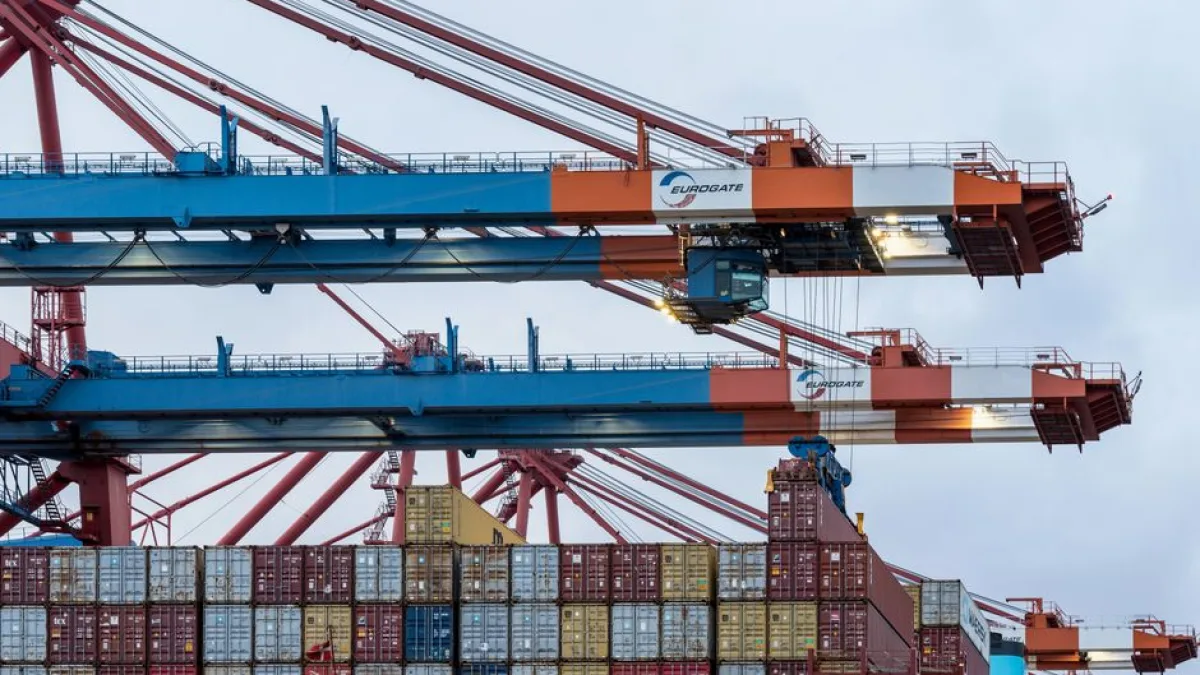
Connecting directly with carriers through digital interfaces enables seamless communication and more reliable data exchange across the network. By bridging the gap between your platform and carrier APIs, you eliminate silos that frequently cause data inconsistencies and operational delays during peak seasons.
- Seamless API connections: Sync your software directly with major shipping lines to get instant pricing and schedule availability. Direct connections replace the slow process of manual requests.
- Standardized data formats: Ensure that information received from diverse carriers conforms to your internal standards for consistency. This uniformity simplifies your accounting and management processes significantly.
- Instant quote comparisons: Use integrated tools to view and compare multiple carrier rates side by side for any given route. This allows for smarter, cost effective decisions.
- Reduced manual input: Transfer shipment details automatically from your internal records into carrier booking systems. Automated data entry ensures high accuracy and speeds up booking cycles.
Strong carrier integrations are vital for modern forwarders who need to move quickly and stay agile. By automating the data exchange process, you remove the reliance on phone calls and slow email chains that frequently bog down global trade operations. A well connected platform serves as the central hub for your business, allowing you to manage complex logistics partnerships with unprecedented speed and accuracy.
Building Scalable Logistics Infrastructure

Scalability requires a technology stack that can handle increasing shipment volumes without breaking or requiring massive manual intervention. Cloud based software provides the flexibility to grow your business by adding new users, regions, or service lines without investing in expensive, long term on premise hardware infrastructure.
- Flexible user access: Scale your team by granting secure remote access to employees working from different global offices. Cloud platforms support distributed work environments with high security.
- Rapid feature updates: Benefit from ongoing platform improvements and security patches delivered through the cloud. You always have the newest tools without needing manual software upgrades.
- Robust cloud security: Protect your sensitive client data with enterprise grade encryption and frequent automated backups. Secure infrastructure is essential for maintaining your company reputation today.
- Customized workflow automation: Design automated sequences that match the unique operational needs of your specific logistics company. Customization allows your system to evolve alongside your business.
Building a scalable foundation is the best way to prepare your logistics business for future market shifts. By utilizing cloud technology, you ensure that your company remains adaptable and ready to handle new growth opportunities as they arrive. This flexible approach minimizes downtime and allows your staff to focus on strategic initiatives that drive long term profitability for your freight forwarding firm.
Conclusion

The future of freight forwarding belongs to those who embrace digital integration to simplify complex tasks. By focusing on visibility, documentation, carrier connectivity, and scalable infrastructure, you can transform your operations for long term success. Start evaluating your current tech stack today to identify where automation can replace manual labor. Reach out to MakeCargo to see how our platform empowers your team to thrive.