Navigating the Future of Digital Freight Forwarding
Wednesday, August 5 2026
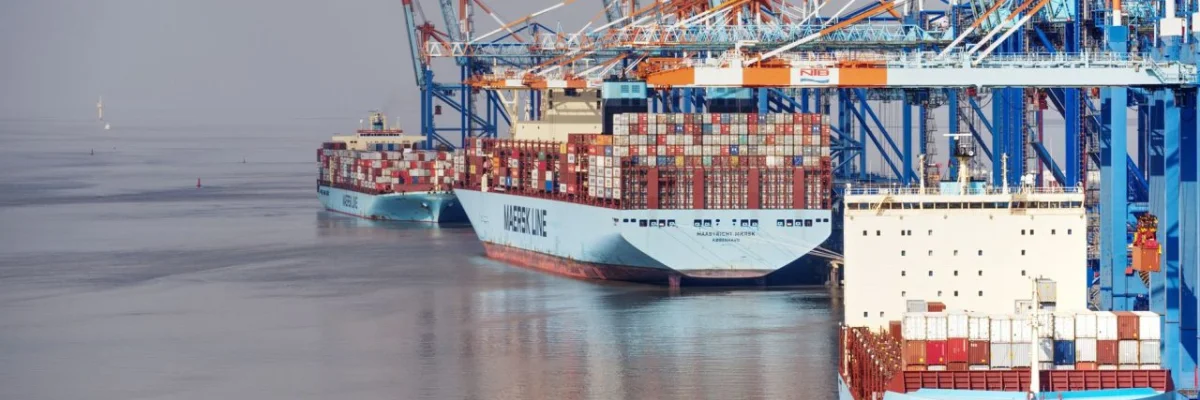
The global logistics landscape is undergoing a profound transformation as technology reshapes traditional shipping workflows. Freight forwarders today face unprecedented pressure to increase operational efficiency while maintaining transparency in an increasingly complex supply chain. Digital transformation is no longer a luxury but a fundamental necessity for companies aiming to remain competitive in a volatile international market. By leveraging cloud-based platforms, professionals can gain real-time visibility into shipments, streamline complex documentation processes, and provide superior service levels. This evolution marks a significant shift from manual administration toward intelligent, data-driven decision-making that powers successful modern logistics enterprises across the globe.
Modern Infrastructure Requirements
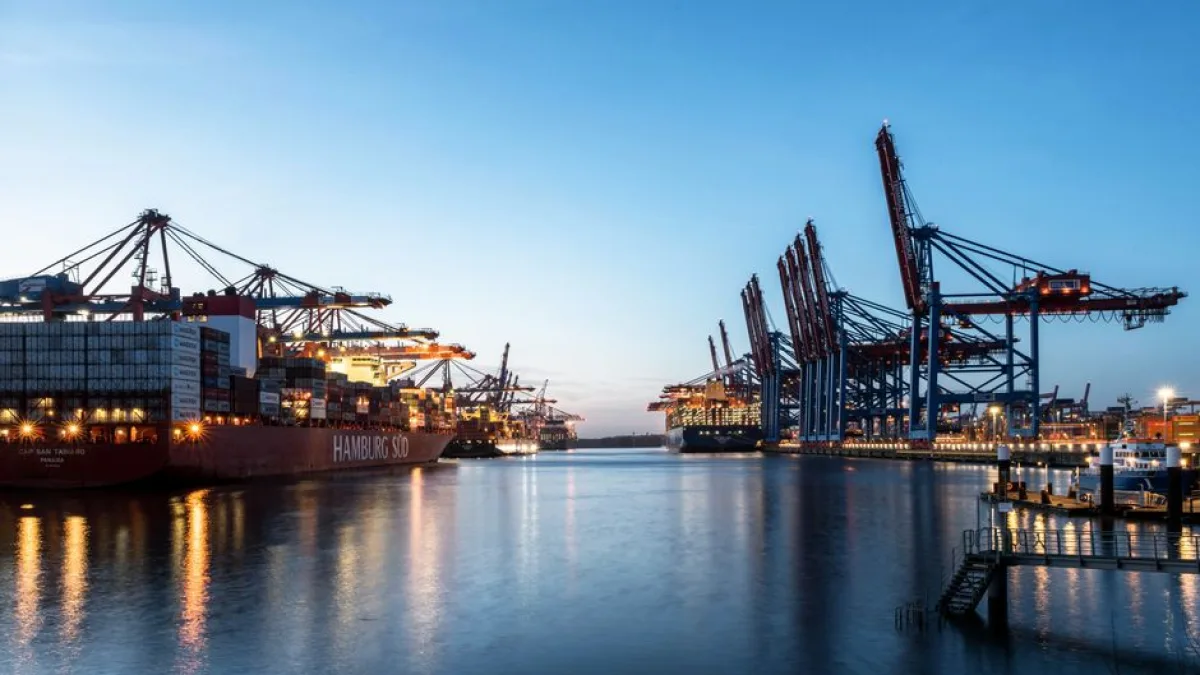
Modern infrastructure requires a robust digital foundation to handle the surge in global trade data. Forwarders must invest in cloud systems that offer seamless integration with port authorities and carrier portals to ensure that information flows without any bottlenecks or delays.
- Cloud connectivity benefits: Utilizing cloud-based architecture allows teams to access critical shipment data from any location while ensuring that every stakeholder remains perfectly synchronized throughout the entire delivery cycle.
- API integration power: Modern software platforms enable direct connections between systems to automate data entry tasks and eliminate errors associated with manual updates of freight documents and tracking status.
- Data security protocols: Implementing advanced encryption and cybersecurity measures protects sensitive client information from unauthorized access while maintaining compliance with international standards for digital trade and financial transactions.
- Scalability for growth: Choosing flexible software solutions ensures that your operational capacity can expand alongside your business volume without requiring expensive hardware upgrades or disruptive overhauls of internal processes.
Updating your technological framework is the first step toward achieving operational excellence. When systems work in harmony, teams spend less time chasing documentation and more time providing high-value consultancy to their clients. This proactive shift reduces overhead costs and minimizes the risk of human error in documentation, effectively positioning your firm as a reliable leader in a crowded and highly competitive global shipping marketplace.
Automating Document Management

Automation in document management removes the heavy burden of manual data entry from your staff. By utilizing intelligent software, companies can scan, store, and share critical shipping paperwork instantly, ensuring that compliance standards are met across every international border.
- Intelligent document processing: Software with built-in optical character recognition captures key details from commercial invoices and packing lists automatically to speed up customs clearance and reduce processing wait times.
- Digital storage solutions: Moving away from physical filing cabinets allows your office to become completely paperless while ensuring that every historical document is searchable and readily available for audits.
- Real time validation: Automated systems check for missing information or incorrect codes in shipping documents before they reach customs officials to prevent costly fines and shipment delays.
- Collaborative document workflows: Shared digital portals allow multiple internal and external parties to edit and approve shipping documents simultaneously to accelerate the finalization of complex international trade deals.
Effective automation turns your administrative team into profit generators rather than paperwork handlers. By eliminating repetitive tasks, you empower your staff to focus on solving complex logistical challenges that truly require human intervention. This strategic reallocation of labor improves overall morale and efficiency, ensuring your firm maintains a lean operation that remains highly profitable even during periods of fluctuating seasonal trade demand.
Enhanced Shipment Visibility

Providing clients with live tracking capabilities builds lasting trust and long term professional relationships. Today, shippers expect granular updates on the location and status of their cargo, which requires deep integration with carrier tracking systems and satellite technology.
- Live tracking updates: Integrating directly with vessel and truck carriers provides your clients with constant location data, which reduces the volume of manual status inquiry calls to your office.
- Predictive delay notifications: Advanced algorithms analyze weather patterns and port congestion to alert your team about potential delays before they impact your clients supply chain and shipping schedules.
- Customized client dashboards: Offering private portals where customers can monitor their own cargo status promotes transparency and allows them to manage their internal inventory processes with precision.
- Exception management tools: When cargo does not follow the planned route, automated alerts notify the team immediately so they can arrange alternative solutions without waiting for customer complaints.
Visibility is the primary driver of customer satisfaction in modern logistics. When you equip your clients with tools that grant them control over their supply chain, you become an indispensable partner. This level of service differentiates your freight forwarding business from competitors who rely on delayed emails, helping you secure long term contracts and foster deeper loyalty within your existing client base.
Streamlining Financial Workflows

Financial workflows within freight forwarding must be as efficient as the movement of the cargo itself. Integrated accounting features ensure that invoices are issued, processed, and reconciled without the typical delays associated with disjointed legacy accounting systems and spreadsheets.
- Instant invoicing cycles: Generating accurate invoices immediately after shipment milestones occur helps maintain a healthy cash flow and reduces the time between delivering service and receiving your payment.
- Currency management tools: Managing multiple global currencies through automated systems prevents financial losses caused by exchange rate fluctuations and keeps your international billing transparent for all customers involved.
- Automated payment reminders: Setting up recurring digital notifications for outstanding balances helps keep your accounts receivable lean while reducing the need for awkward and time-consuming manual follow-up calls.
- Financial reporting insights: Built-in analytics allow managers to review profit margins by trade lane or client to determine which areas of the business are performing the best.
Optimized financial processes are the heartbeat of a sustainable logistics company. By ensuring that billing is fast and accurate, you eliminate the friction that often delays the final settlement of accounts. Focus on digitizing these essential functions to improve your bottom line, as accurate financial data is the foundation of every smart strategic decision your leadership team makes moving forward into the year.
Conclusion

Embracing digital freight software is essential for forwarders who want to thrive in today fast-paced global economy. By upgrading your infrastructure, automating documentation, improving tracking visibility, and streamlining financial workflows, you create a robust business capable of scaling quickly. Now is the time to audit your internal systems and invest in the tools that will carry your organization into the future of modern logistics.