Navigating the Future of Digital Freight Forwarding
Thursday, August 6 2026

The global logistics landscape is undergoing a profound transformation as technology reshapes how goods move across international borders. Freight forwarders are increasingly tasked with managing complex supply chains while maintaining transparency and speed in an unpredictable market. As businesses pivot toward digital solutions, the demand for cloud-based software platforms has surged to address operational bottlenecks and improve customer communication. This evolution is not merely a trend but a fundamental shift in the industry that defines competitive advantage in the modern era. By adopting robust digital frameworks, forwarders can unlock efficiency and scale operations to meet global demands effectively.
Embracing Cloud Integration

Cloud integration stands as the cornerstone for modern logistics operations by enabling seamless connectivity between disparate systems and global partners. By centralizing data in one location, forwarders can eliminate silos and ensure that every stakeholder has access to real time updates across the entire supply chain network.
- Real time connectivity: Cloud software bridges the gap between carriers, agents, and shippers by providing a unified interface that facilitates instant data exchange and prevents communication errors during critical handoffs.
- Scalable infrastructure growth: Forwarding companies can quickly adjust their digital capacity based on seasonal volume spikes without investing in expensive physical hardware, ensuring long-term flexibility for expanding business operations.
- Enhanced data security: Advanced cloud providers implement rigorous cybersecurity protocols to protect sensitive shipment information from unauthorized access, offering businesses peace of mind against growing global digital threats today.
- Automated system updates: Software platforms receive regular enhancements that integrate the latest compliance standards and industry features automatically, keeping logistics providers ahead of the curve without manual intervention efforts.
Adopting a cloud-based approach allows your team to move beyond legacy limitations and focus on value-driven activities. When systems communicate automatically, human error drops significantly, allowing staff to spend less time on manual data entry and more time on strategic customer relationships. Investing in a scalable digital foundation today ensures your business is ready for tomorrow's complex shipping demands and rapid market changes.
Streamlining Documentation Workflows
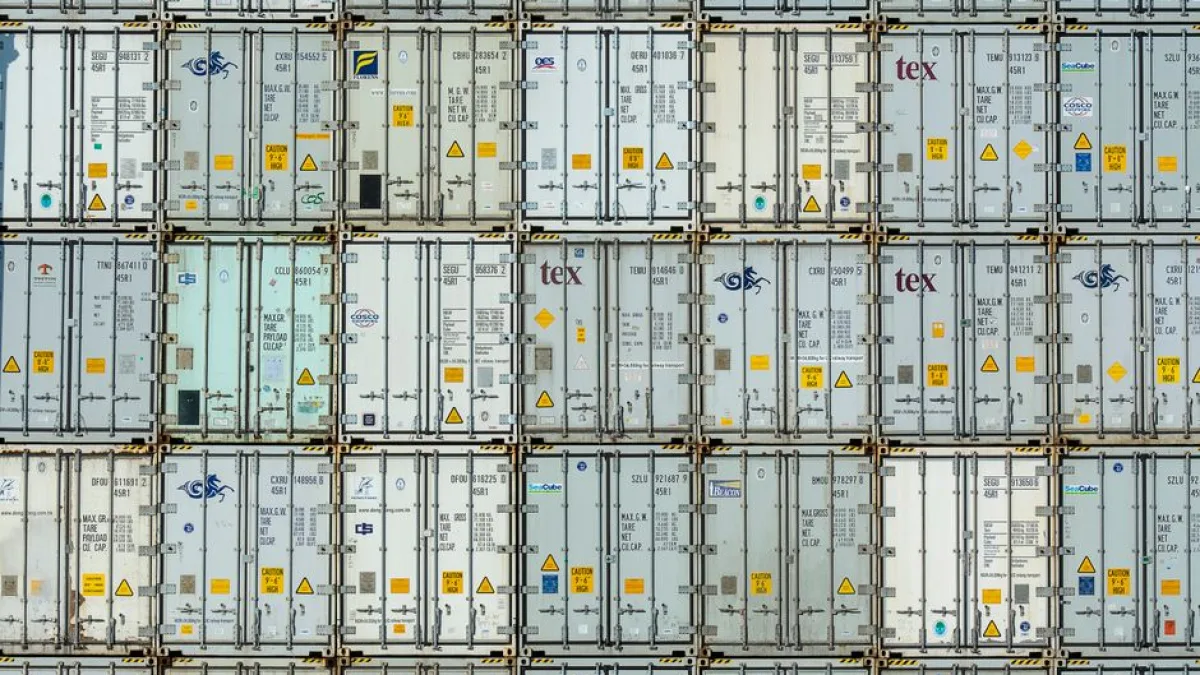
Automating documentation remains a top priority for forwarders looking to reduce administrative burdens and accelerate the customs clearance process for their diverse client base. Digital tools help manage intricate paperwork like bills of lading and commercial invoices with speed.
- Paperless document management: Digital archives allow teams to retrieve essential shipment records instantly, reducing physical storage costs and improving overall office productivity during the busy shipping peak seasons.
- Automated compliance checks: Intelligent software scans documents for regulatory discrepancies before submission, ensuring that all paperwork meets strict international standards to avoid costly delays at the borders.
- Integrated electronic signatures: Platforms now offer secure e-signature features that simplify the approval process, allowing shippers to sign documents remotely without the need for traditional printing and mailing.
- Template based entry: Utilizing standardized document templates reduces time spent drafting repetitive forms, ensuring that data fields are populated correctly and consistently across every single customer shipment record.
Efficient documentation is the backbone of successful freight forwarding operations in a global market. By digitizing these critical workflows, you reduce the risk of clerical errors that often stall shipments at customs points. Streamlining these procedures creates a faster experience for your customers while simultaneously freeing your internal staff to concentrate on higher value tasks that drive overall revenue and client retention growth.
Optimizing Logistics Visibility

Visibility has become the new currency in freight forwarding as clients demand precise tracking information for every stage of their cargo journey. Advanced software provides the transparency necessary to manage expectations and resolve potential disruptions before they impact final delivery.
- Predictive tracking alerts: Modern platforms use predictive analytics to notify stakeholders of potential delays before they occur, allowing for proactive adjustments to routes or carrier choices for efficiency.
- Integrated carrier portals: Direct integration with global shipping lines and trucking firms provides a singular view of cargo progress, eliminating the need to visit multiple carrier websites.
- Detailed status dashboards: Visual dashboards display the exact location of goods in transit, offering internal teams and external customers a clear picture of the supply chain journey.
- Enhanced exception management: Automated triggers identify shipments that fall outside of expected transit windows, enabling rapid intervention by forwarding teams to address and solve unexpected logistical hurdles.
Providing exceptional visibility is no longer just an optional service for forwarders, but a primary expectation from modern shippers. When you offer clear insights into transit progress, you build trust and differentiate your services in a crowded market. Leveraging technology to monitor cargo movement empowers your business to deliver consistent results, fostering long-term partnerships built on transparency, reliability, and superior customer satisfaction levels.
Empowering Collaborative Teams

Collaborative internal workflows are essential for maintaining operational speed in a high-pressure freight environment. By utilizing digital communication tools, teams stay aligned on project goals and share information seamlessly, ensuring that everyone works from the same set of data points.
- Centralized communication logs: Keeping all emails and chat messages within the platform ensures that no critical conversation regarding a shipment is ever lost or trapped in silos.
- Role based access controls: Administrators can define specific permissions for staff members, ensuring that employees have access to the exact data they need for their specific roles.
- Synchronized task management: Integrated task boards keep the entire team updated on pending responsibilities, ensuring that crucial milestones are met consistently without needing constant follow up meetings.
- Shared resource libraries: Storing common shipping regulations and carrier contact information in a central knowledge base helps new team members onboard quickly and improves daily workflow performance.
Empowered teams are the engine of a successful forwarding business. When your staff has access to effective collaboration tools, communication gaps disappear and problem solving becomes a collective effort. Creating a supportive digital environment reduces burnout and promotes a culture of success, ultimately leading to higher retention rates and more consistent delivery of service excellence for your valued international shipping clients everywhere.
Conclusion

The transition to digital logistics software represents a critical opportunity for freight forwarders to optimize their internal processes and customer service. By focusing on cloud integration, automated documentation, total visibility, and effective teamwork, your firm can navigate modern challenges with confidence. Explore how MakeCargo can transform your operations today by reaching out to our expert team for a detailed platform demonstration.