Navigating the Future of Digital Freight Forwarding
Friday, August 7 2026
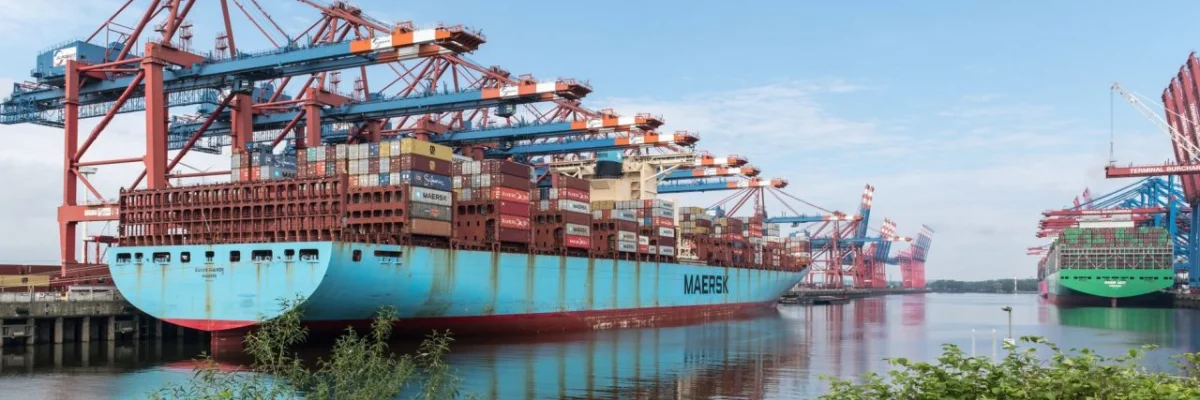
The global logistics landscape is undergoing a profound transformation as technology reshapes how goods move across international borders. Freight forwarders are increasingly tasked with managing complex supply chains while maintaining transparency in an era of high volatility. From port congestion to fluctuating fuel costs, the challenges are significant, yet digital adoption offers a clear path toward operational resilience. Modern platforms enable teams to automate manual processes and capture real-time data, ensuring that cargo moves efficiently through every checkpoint. Embracing these innovations is no longer just a competitive advantage but a fundamental necessity for companies seeking sustainable growth in this fast-paced market.
Adapting to Digital Automation
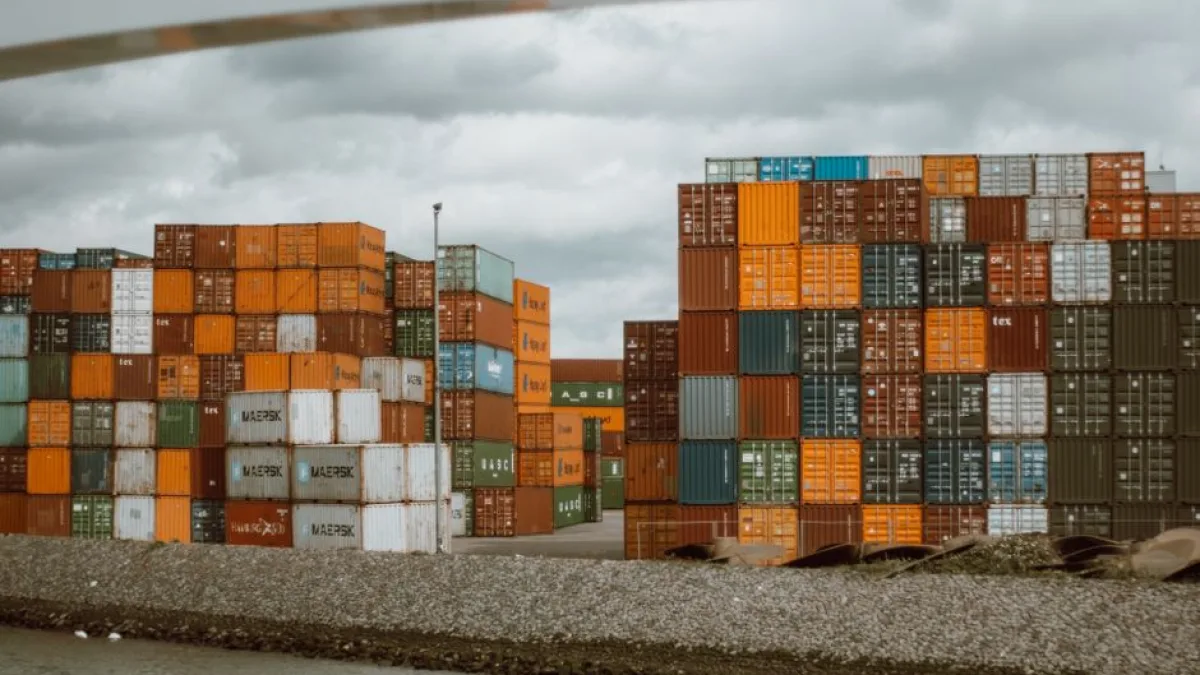
Modern automation tools are redefining how forwarders handle repetitive tasks like documentation and data entry. By reducing the reliance on manual labor, businesses can shift their focus toward high-value client relationships and strategic network expansion throughout their complex global operations.
- Reducing manual errors: Intelligent data extraction tools minimize human intervention, ensuring that shipping documents remain accurate and compliant while significantly reducing the time spent on administrative rework and correction processes.
- Streamlining data flow: Centralized digital platforms create a single source of truth, allowing different departments to access updated shipment information simultaneously without the need for endless email exchanges.
- Improving task efficiency: Automated workflows trigger immediate notifications for shipment milestones, allowing operations teams to manage exceptions rather than tracking every single status update throughout the day.
- Scaling operational capacity: Technology allows small teams to manage higher cargo volumes by automating repetitive billing and booking tasks, providing the flexibility needed to handle sudden market fluctuations.
Adopting digital automation provides forwarders with the internal agility required to thrive in unpredictable times. When your team stops spending hours on manual input, they gain the capacity to solve complex logistical problems for your clients. This shift creates a more professional operation that stands out in a crowded market where speed and accuracy are the ultimate currencies for long-term customer success and loyalty.
Enhancing Supply Chain Transparency
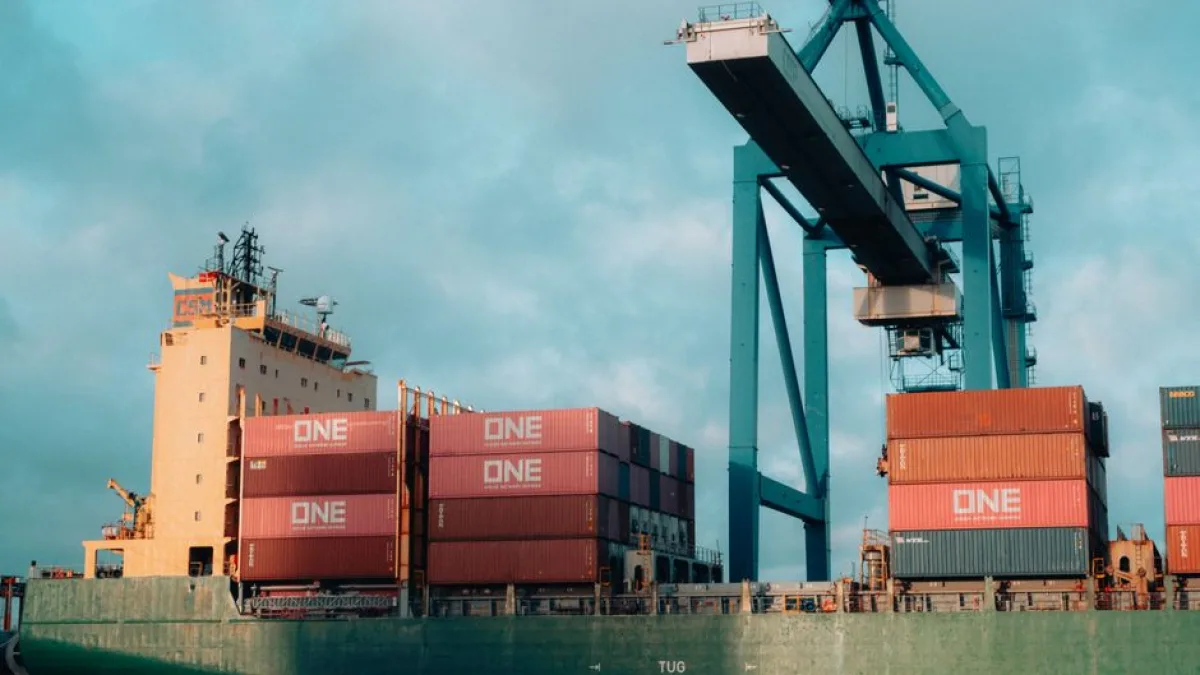
Visibility is the primary demand from shippers who need constant updates on their high-value freight. Providing live tracking data builds trust and allows stakeholders to make informed decisions based on accurate information about their shipments throughout the journey.
- Real-time location tracking: Advanced IoT sensors and GPS integrations provide minute-by-minute updates, allowing you to inform customers about exact shipment locations regardless of the current transit mode.
- Proactive exception management: Automated alerts notify operations teams about delays or port congestion immediately, enabling them to reroute cargo before issues escalate into costly supply chain failures.
- Transparent client portals: Providing customers with a branded web interface allows them to track their own shipments, significantly reducing the volume of inbound inquiries reaching your office.
- Data driven decisions: Analytics dashboards help your team identify recurring bottlenecks in specific lanes, allowing for proactive adjustments to routing strategies and carrier selection for future shipments.
True transparency transforms the shipper-forwarder relationship from a simple service transaction into a valuable partnership. When clients trust the data you provide, they are far more likely to stay with your firm for long-term shipping needs. By offering a digital window into the supply chain, you demonstrate professionalism and technical maturity that distinguishes your services from traditional competitors who still rely on phone calls.
Optimizing Carrier Management
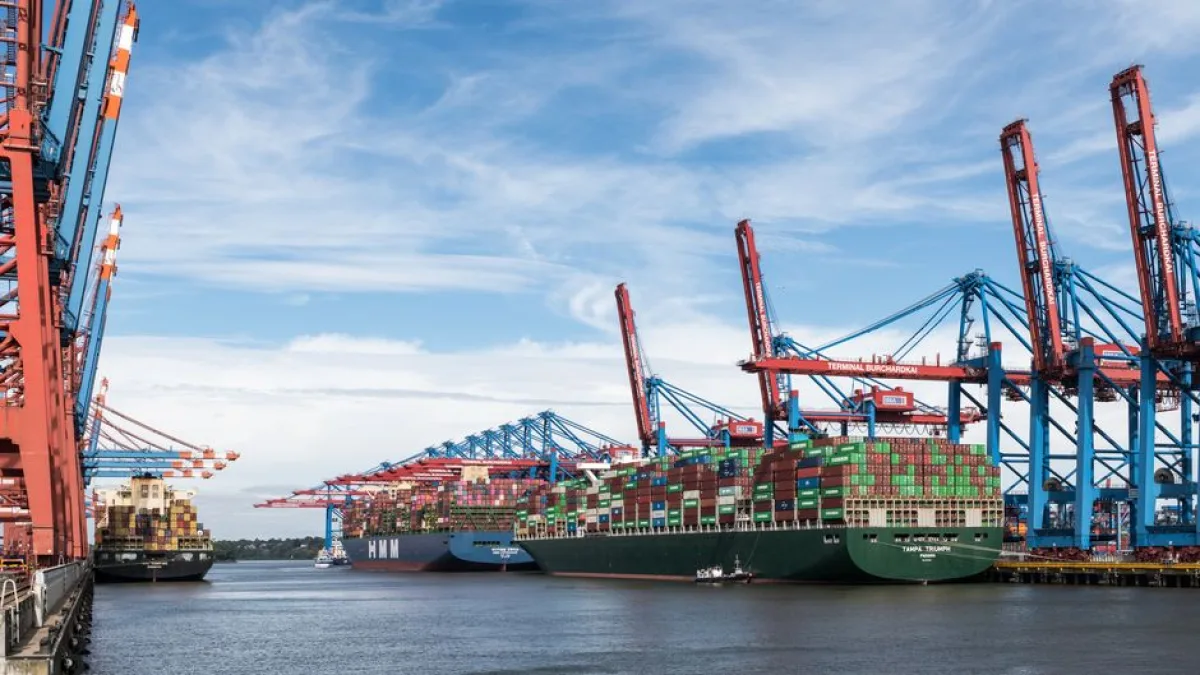
Managing carrier relationships requires a delicate balance of cost, speed, and reliability. Digital platforms allow you to compare carrier performance metrics side-by-side, ensuring that your booking decisions are based on objective data rather than just gut feelings or habit.
- Centralized carrier database: Maintaining a digital record of all carrier rates, performance history, and contact details allows your team to find the best logistics solutions in seconds.
- Performance analytics reports: Reviewing historical data on transit times and damage rates helps you filter out underperforming partners and negotiate better terms based on evidence of past service.
- Simplified rate procurement: Automated quoting tools allow you to receive and compare multiple carrier bids instantly, saving hours of manual comparison work during the busy booking season.
- Strengthened partner communication: Integrated messaging systems keep all carrier discussions attached to the specific shipment file, preventing critical details from getting lost in individual personal email inboxes.
Efficient carrier management directly impacts your bottom line and your ability to meet client promises. By utilizing digital tools to track how different partners perform across various trade lanes, you make smarter choices that save money and avoid service failures. This strategic approach to procurement ensures that your business remains profitable even when carrier market rates face extreme pressure from global economic shifts.
Ensuring Regulatory Compliance

Navigating the complex world of international trade regulations requires extreme attention to detail and a robust system for documentation. Digital platforms keep all customs requirements organized and up to date, shielding your business from heavy fines and shipment delays.
- Automated filing processes: Modern software ensures that all necessary customs declarations are formatted correctly and submitted on time, significantly reducing the risk of human oversight and penalties.
- Document storage security: Digital repositories store all historical customs records in a secure, searchable format, making audits much faster and less stressful for your internal finance team.
- Updated tariff monitoring: Automated systems alert your operations staff to changes in global trade policies or tariffs, ensuring your pricing models and documents stay accurate and compliant.
- Validation checks: Built-in validation rules prevent users from submitting incomplete documentation, ensuring that all regulatory requirements are met before the shipment leaves the warehouse or port.
Regulatory compliance is a non-negotiable aspect of freight forwarding that carries heavy risks for those who rely on outdated methods. Implementing a digital platform ensures that your company stays ahead of legal requirements while maintaining a clean reputation with customs authorities. This commitment to compliance is a cornerstone of operational excellence that protects your business and provides peace of mind for clients.
Conclusion

The freight forwarding industry is evolving rapidly, and digital adoption is the key to remaining relevant in a competitive global market. By focusing on automation, transparency, carrier management, and compliance, forwarders can build a robust foundation for future growth. Now is the perfect time to evaluate your current software capabilities and take the next step toward a more efficient and profitable business model.