Navigating the Future of Digital Freight Forwarding
Thursday, August 13 2026

The global logistics landscape is undergoing a profound transformation as technology reshapes how goods move across borders. For freight forwarders, the pressure to maintain operational efficiency while managing complex supply chain disruptions has never been higher. Modern cloud-based solutions are now essential tools for maintaining competitiveness in an increasingly volatile market. By integrating digital automation, businesses can gain real-time visibility and streamline communication with global partners. As industry standards evolve, forwarders must adapt their technological infrastructure to meet the rising demands of clients who prioritize speed, transparency, and data-driven insights in every single shipment.
Embracing Automation in Logistics
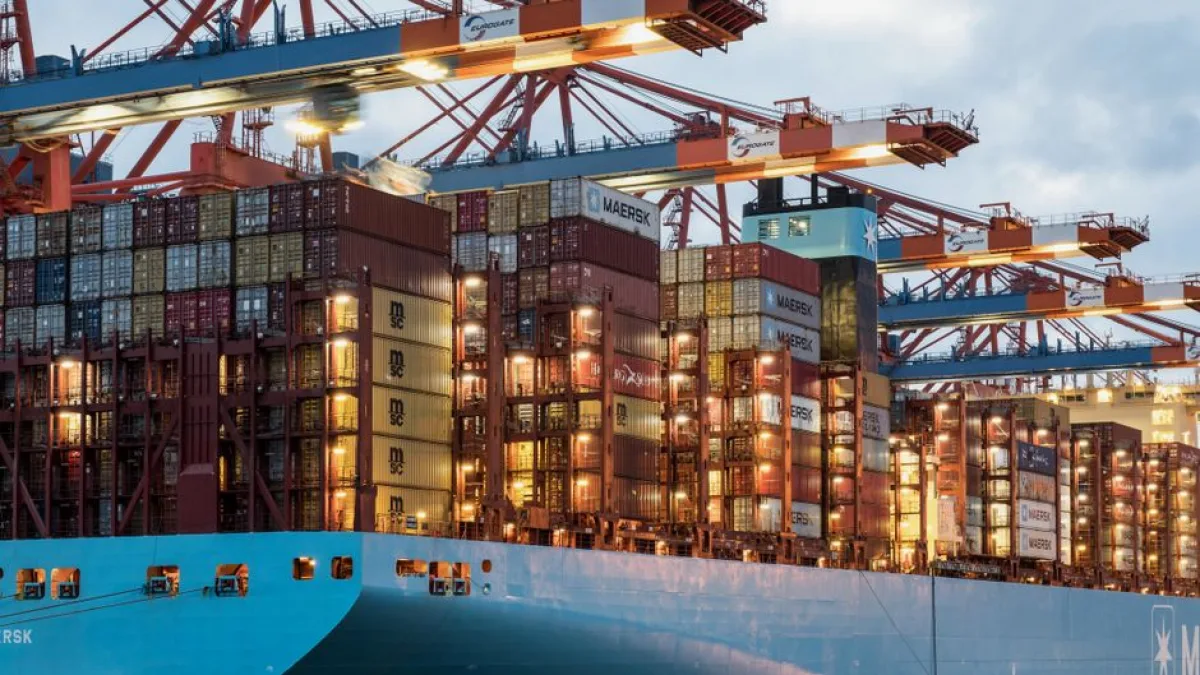
Automation serves as the backbone of modern freight operations, effectively reducing manual data entry and minimizing costly human errors during the documentation process. By leveraging smart software, teams can redirect their focus toward high-value strategic planning and personalized client support services.
- Eliminating manual tasks: Automated workflows allow your team to bypass repetitive data entry, ensuring that shipping documents are generated with precision and delivered to stakeholders without any unnecessary manual delays.
- Streamlining data flow: Centralized digital platforms enable seamless information exchange between carriers and customs authorities, creating a cohesive operational environment that accelerates the overall processing speed of every individual shipment.
- Reducing human error: Automated validation checks identify inconsistencies in bills of lading or invoices immediately, preventing expensive discrepancies that often lead to port hold-ups and additional demurrage charges incurred.
- Optimizing resource allocation: With mundane administrative duties handled by intelligent software, your expert staff can dedicate more time to resolving complex logistical challenges and building stronger relationships with international trade partners.
Adopting automated systems is no longer a luxury but a fundamental necessity for scaling a modern freight forwarding business. These tools provide the reliability required to handle high volumes of cargo while maintaining exceptional service quality. By removing friction from daily tasks, your company can operate with greater agility, ultimately positioning itself for long-term growth and success within a highly competitive and fast-paced global logistics market.
Real Time Shipment Visibility

Transparency is a top requirement for shippers in the current market, as they demand constant updates regarding the status of their high-value cargo. Cloud-based platforms provide live tracking data, ensuring that both forwarders and customers stay informed throughout the entire journey.
- Enhanced tracking accuracy: Real time GPS integration provides precise location updates, allowing your team to proactively communicate potential delays before they impact the final delivery timeline for your waiting clients.
- Improved customer trust: Providing your customers with a dedicated portal to view their cargo status builds significant trust and reduces the volume of repetitive status update requests for your staff.
- Data driven decisions: Access to historical and live tracking analytics empowers your team to select the most efficient routes and carriers based on proven performance rather than speculative estimates.
- Managing supply disruptions: Immediate notifications regarding port congestion or vessel delays allow your logistics team to implement contingency plans rapidly, safeguarding the flow of goods against unforeseen external market challenges.
Providing granular visibility into the supply chain helps freight forwarders differentiate their services in a crowded industry. When clients can see the exact path of their freight, they feel more confident in your capabilities as a logistics partner. Investing in robust tracking tools turns a basic shipping service into a premium logistics experience that keeps your clients satisfied and loyal over the long term.
Optimizing Global Trade Compliance

Navigating the complex maze of international customs regulations requires precision and deep knowledge. Digital tools now help forwarders manage compliance by keeping updated databases and automating the submission of regulatory documents to local authorities to avoid expensive shipping penalties.
- Automated regulatory updates: Integrated software systems automatically update to reflect changes in international customs law, ensuring that all documentation remains compliant with current regional requirements and trade policy standards.
- Error free declarations: Pre-populated forms pull data directly from existing shipment records, significantly reducing the likelihood of filing incorrect information that could lead to inspections or severe custom fines.
- Digital document storage: Keeping all customs paperwork in a secure cloud repository makes it simple to retrieve historical data for audits, proving your company follows all required legal standards.
- Seamless partner communication: Securely sharing necessary compliance documents with overseas agents via a unified platform ensures that everyone in the supply chain adheres to the same set of rules.
Compliance management is a high stakes environment where mistakes lead to significant financial consequences and reputation damage. By integrating digital solutions into your workflow, you ensure that every export and import meets the necessary legal standards without creating bottlenecks. This proactive approach to documentation protects your bottom line, streamlines international movement, and establishes your firm as a highly reliable and compliant global logistics professional.
Scaling Operations Through Cloud Tech

Scaling a freight forwarding business requires a robust digital infrastructure that supports growth without increasing administrative complexity. Cloud-based platforms allow your team to access critical shipment data from anywhere in the world, fostering collaboration across global office locations and time zones.
- Cloud based access: Employees can manage shipments and communicate with partners from any location, providing your team with the flexibility needed to operate effectively in a modern remote environment.
- Unified team collaboration: Digital platforms ensure that everyone on your team sees the same shipment status updates, which helps eliminate internal confusion and improves overall productivity across departments.
- Cost effective scalability: Cloud software allows you to add new users or features as your business grows, providing a flexible pricing model that matches your current operational requirements precisely.
- Strengthened data security: Cloud platforms offer advanced encryption and regular backups, protecting your sensitive client information against cyber threats while ensuring that your records remain safe and easily recoverable.
Moving your operations to the cloud empowers your team to work faster and more efficiently regardless of where they are located. This agility is the key to expanding your reach into new markets while maintaining high service standards for your existing client base. By investing in scalable technology, you are building a resilient business model that is ready to tackle the challenges of tomorrow.
Conclusion

The freight forwarding industry is moving toward a future defined by transparency, automation, and cloud-based efficiency. By adopting modern software solutions, your firm can navigate the complexities of international trade with greater ease and precision. Focus on upgrading your internal processes today to ensure your business remains at the forefront of the logistics sector, delivering exceptional value to clients on a global scale.