Navigating the Future of Digital Freight Forwarding
Friday, August 14 2026

The global logistics landscape is undergoing a profound transformation as digitalization moves from a competitive advantage to a fundamental operational necessity. Freight forwarders are currently facing unprecedented pressure to enhance visibility, speed, and accuracy across complex supply chains. As manual processes give way to integrated cloud-based platforms, the ability to centralize data becomes the primary driver of organizational growth. Forwarders who prioritize technological adoption today will position themselves to handle fluctuating market demands, while those clinging to legacy systems risk obsolescence in an increasingly interconnected global trade environment that demands seamless, real-time communication between all logistics stakeholders.
Optimizing Warehouse Management Systems
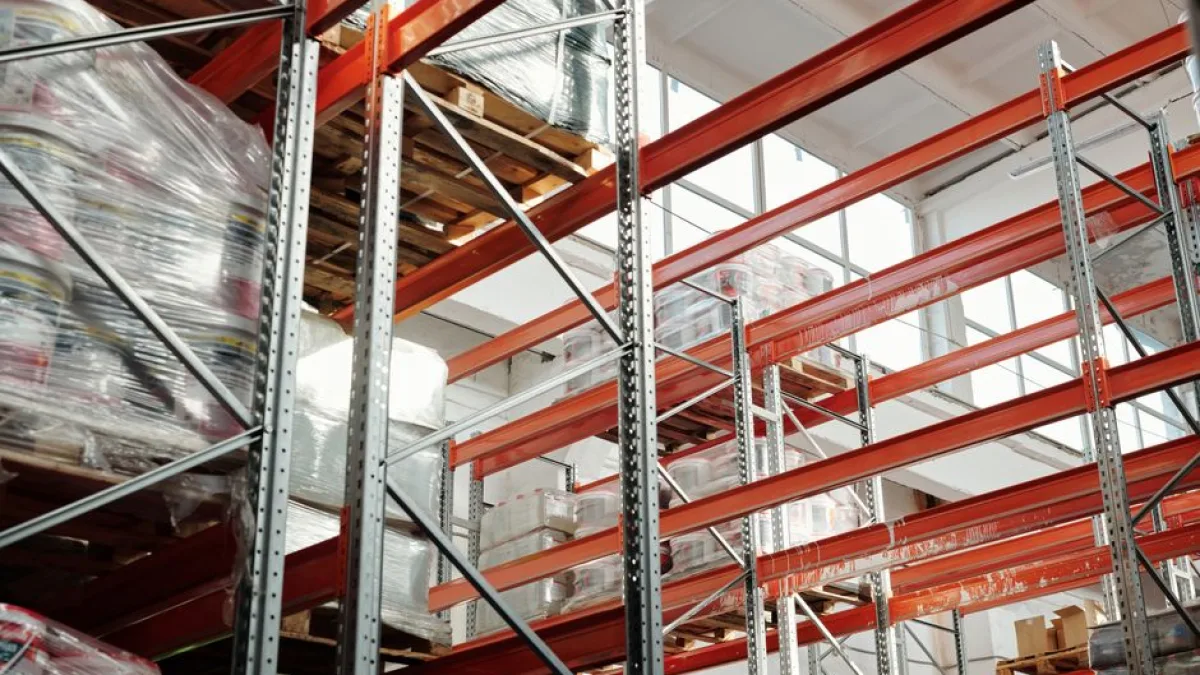
Modern warehouse management systems serve as the digital backbone for today's high volume shipping operations. By integrating advanced inventory tracking with automated sorting technology, forwarders can significantly reduce processing errors and minimize the overhead costs associated with manual labor and shipment delays.
- Enhanced inventory tracking: Real-time data synchronization allows warehouse managers to monitor stock levels with precision, ensuring that cargo movements are recorded accurately to prevent losses and optimize space allocation throughout the facility.
- Automated sorting efficiency: Utilizing smart robotics and conveyor systems helps streamline the flow of packages, reducing human intervention and accelerating the transition from inbound receipt to final outbound dispatch stages.
- Reduced processing errors: Digital validation tools automatically verify shipping labels and manifest documentation against existing database entries to eliminate common typos or misrouting issues that often plague traditional logistics operations.
- Cost reduction strategies: By analyzing warehouse throughput patterns, forwarders can identify bottlenecks and implement changes that lower utility bills and reduce the need for expensive overtime staffing during peak seasons.
Transitioning to an automated warehouse management strategy requires a clear commitment to technological investment. Forwarders should focus on platforms that offer seamless integration capabilities with existing customer databases. This connectivity ensures that inventory updates happen instantly, providing clients with the transparency they demand. Achieving this level of operational excellence empowers teams to handle increased cargo volumes without sacrificing the quality of their service offerings.
Enhancing Real-Time Cargo Visibility
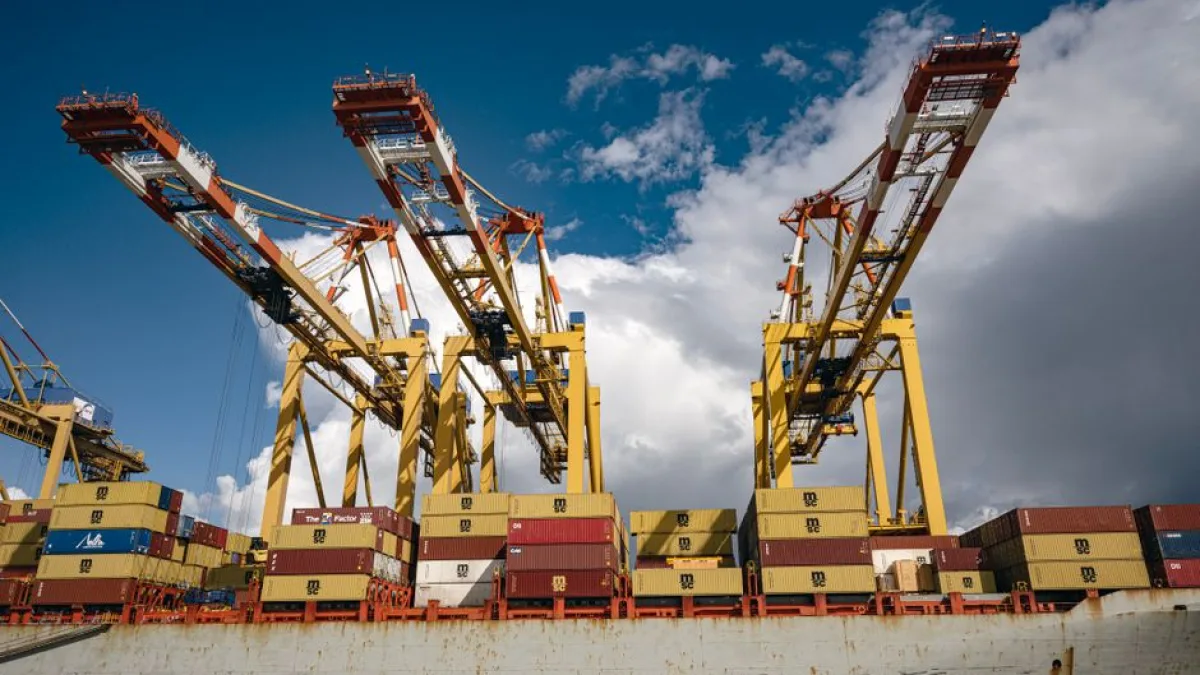
Achieving total visibility throughout the entire shipping lifecycle is essential for building client trust in modern freight. Advanced tracking tools and digital dashboards allow stakeholders to monitor their shipments across land, sea, and air from one single, unified control point.
- Live tracking updates: Integrating GPS and satellite data provides instantaneous location status for every container, allowing logistics coordinators to proactively manage delays before they impact the final delivery schedule for clients.
- Proactive anomaly alerts: Smart software algorithms automatically notify your team when a shipment deviates from the planned route, enabling immediate corrective actions to keep cargo moving toward its final destination.
- Client portal access: Providing customers with secure digital access to their own tracking information builds transparency and reduces the heavy volume of routine status update inquiries directed at staff.
- Performance data analytics: Historical tracking data helps forwarders identify recurring route issues, providing actionable insights that allow for more reliable planning and carrier selection in future shipping cycles.
Transparency is the new standard in global trade. When you offer customers deep visibility into their supply chain, you move from being a vendor to becoming a strategic partner. This digital transparency reduces communication friction and allows for faster problem resolution during disruptions. By leveraging real-time data, your team can maintain high service levels while focusing on long-term growth rather than daily status checks.
The Role of Cloud Platforms

Cloud platforms are revolutionizing how forwarders store, process, and share critical shipping information. By migrating to a secure, web-based environment, companies can break down internal data silos and ensure that every team member has access to the latest documents.
- Secure cloud storage: Centralizing all shipping documents in an encrypted cloud server ensures that sensitive trade data is protected while remaining easily accessible to authorized personnel from anywhere.
- Seamless team collaboration: Cloud-based environments allow departments to work on the same shipping files simultaneously, eliminating version control issues and drastically speeding up the documentation approval process for exports.
- Scalable system architecture: Cloud solutions grow alongside your business, allowing you to add users or storage capacity without the burden of maintaining expensive on-site server hardware or local infrastructure.
- Instant software updates: Modern platforms push updates automatically, ensuring that your team is always using the most recent features and security protocols without needing manual system-wide IT installations.
Embracing a cloud-native approach is about more than convenience; it is about building a resilient foundation for your business operations. When your staff can access critical information on any device, productivity naturally increases. This flexibility is vital in a global market where business happens across different time zones. Cloud technology keeps your entire organization synchronized, focused, and ready to meet the challenges of tomorrow.
Integrating AI for Predictive Logistics
Predictive analytics powered by artificial intelligence is changing how forwarders anticipate market fluctuations and route disruptions. By processing massive historical datasets, AI tools provide forecasts that help forwarders make data-driven decisions that improve overall delivery speed and operational profit margins.
- Predictive demand forecasting: Analyzing historical shipping patterns enables forwarders to anticipate seasonal volume spikes, allowing for better negotiation of carrier space and more efficient allocation of existing internal company resources.
- Intelligent route optimization: AI engines evaluate weather patterns, port congestion reports, and traffic data to suggest the most efficient travel paths, significantly reducing transit times and fuel expenses for clients.
- Automated document processing: Advanced optical character recognition technology extracts data from bills of lading and customs invoices, reducing the time spent on manual data entry and improving record accuracy.
- Optimized carrier selection: Machine learning models rank carriers based on their historical performance metrics, helping forwarders choose the most reliable and cost-effective shipping partners for every specific project.
Integrating artificial intelligence into your business workflow provides a distinct competitive edge in the fast-paced freight market. By automating complex analytical tasks, you free your staff to focus on high-value client relationships and strategic business development. These predictive capabilities allow you to anticipate problems rather than just reacting to them, ensuring that your freight forwarding services remain efficient, reliable, and profitable for years.
Conclusion

Modern freight forwarding is defined by the tools you choose to integrate into your daily operations. By embracing automation, visibility, cloud systems, and AI, your business can navigate the complexities of global trade with confidence. Success in this industry requires a commitment to digital transformation that places efficiency and transparency at the core of your service, ultimately ensuring long-term loyalty and sustainable growth.