Navigating the Future of Digital Freight Forwarding
Saturday, August 15 2026
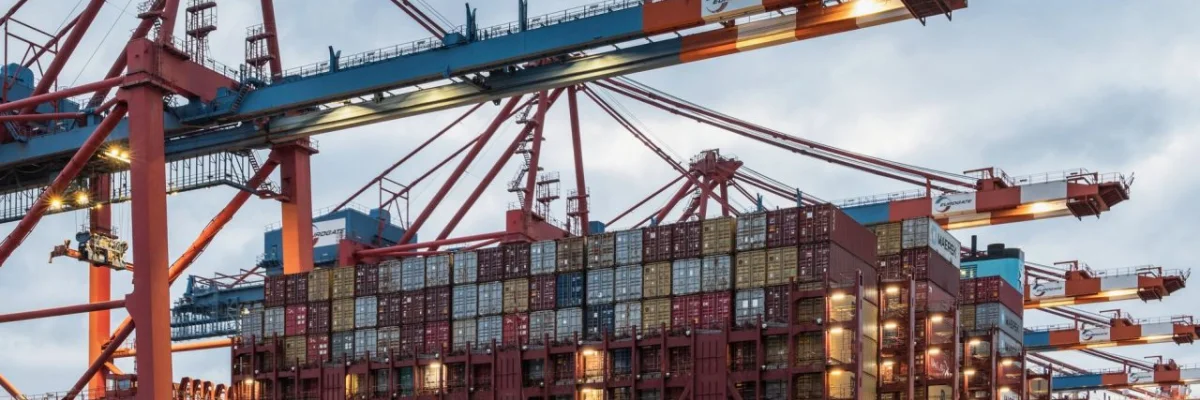
The global logistics landscape is undergoing a profound transformation as technology reshapes how goods move across international borders. Freight forwarders are increasingly tasked with managing complex supply chains while maintaining transparency and speed in an unpredictable market. As digital integration becomes the standard rather than a luxury, forwarders must adapt their operational strategies to leverage data driven insights. This article explores the critical trends defining the current industry climate, providing actionable guidance for professionals aiming to enhance their service delivery and maintain a competitive edge in an increasingly automated and interconnected global logistics environment.
Digital Transformation Imperatives

Digital transformation is no longer a peripheral strategy but a central requirement for modern logistics businesses. Adopting cloud software solutions enables teams to centralize documentation, automate routine tasks, and improve overall data accuracy for every shipment managed through the network.
- Automated Workflow Efficiency: Integrated software platforms reduce manual data entry errors significantly by automating repetitive tasks, allowing your logistics team to focus on high value decision making and client relationship management.
- Cloud Data Centralization: Hosting logistics data in the cloud ensures that all team members access real time information from any location, fostering better collaboration and seamless cross border communication.
- Real Time Tracking: Modern systems provide immediate visibility into cargo movement, which empowers forwarders to proactively address delays and provide clients with accurate, updated shipment status reports constantly.
- Data Driven Decisions: Utilizing advanced analytics tools helps managers identify bottlenecks within their supply chain, enabling them to optimize routes and reduce operational costs through informed strategic planning processes.
- API Integration Capabilities: Connecting your freight software with carrier portals through robust API systems creates a unified ecosystem that streamlines information exchange and accelerates the entire booking lifecycle.
Adopting these digital strategies ensures your firm remains resilient against market fluctuations while delivering superior service quality. By moving away from legacy systems and embracing modern software architectures, forwarders can achieve a level of operational agility that was previously impossible. This transition not only reduces overhead costs but also positions your company as a reliable leader in the rapidly evolving global freight market.
Supply Chain Transparency
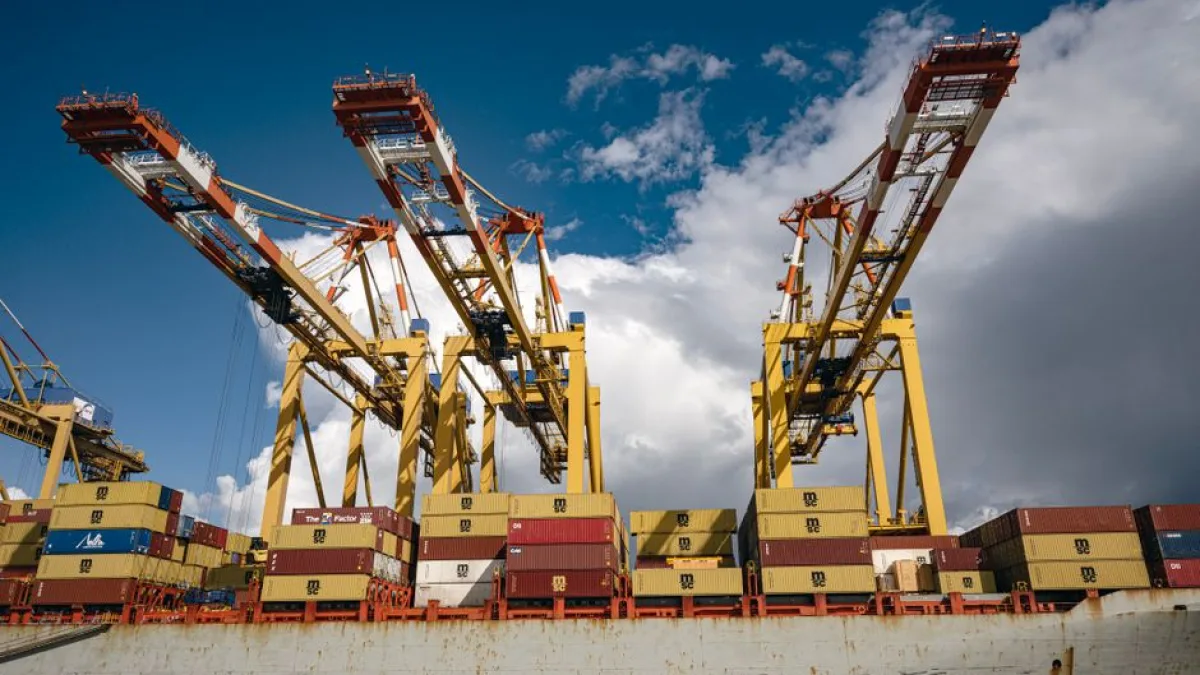
Transparency serves as the cornerstone of trust between freight forwarders and their clients in an era of heightened expectations. Providing clear visibility into every stage of the transit process minimizes uncertainty and helps build lasting professional partnerships with global stakeholders.
- Proactive Incident Management: Advanced monitoring tools allow forwarders to identify potential disruptions early, ensuring they can communicate transparently with clients and provide alternative solutions before issues escalate further.
- Enhanced Client Communication: Consistent updates provided via digital portals build trust by keeping stakeholders informed at every critical juncture, reducing the volume of inbound status check inquiries effectively.
- Accurate Documentation Flow: Digital document management systems ensure that all customs papers, bills of lading, and insurance forms are accessible and accurate, preventing costly delays at border crossings.
- Visible Cost Structures: Presenting clear pricing models within your freight management software helps clients understand their logistics spend, fostering transparency and reducing friction during the invoicing and payment cycles.
- Reliable Milestone Tracking: Defining clear milestones within the software platform allows forwarders to measure performance accurately while providing clients with a predictable timeline for their international cargo shipments.
Maintaining high levels of transparency is essential for retaining clients in a competitive market where information accessibility is a major differentiator. When forwarders invest in tools that illuminate the entire shipping process, they reduce the anxiety associated with international trade. Consequently, businesses that prioritize clear, constant communication tend to see higher client satisfaction rates and increased long term loyalty from their accounts.
Optimizing Operational Resilience

Operational resilience involves building systems that can withstand sudden market shifts and unexpected logistical challenges without compromising service delivery. By diversifying carrier partnerships and refining internal processes, forwarders protect their operations from the volatility often seen in global trade routes today.
- Strategic Carrier Diversification: Maintaining relationships with multiple shipping lines and air carriers prevents dependency on a single provider, ensuring your firm has backup options during sudden route closures.
- Streamlined Process Documentation: Standardized operating procedures embedded within your software platform ensure that every staff member follows best practices, maintaining consistent service standards even during peak demand cycles.
- Scalable Resource Planning: Utilizing software that adapts to your current volume allows for better resource allocation, helping your team handle increased workloads without sacrificing accuracy or operational efficiency.
- Risk Assessment Tools: Integrated modules that calculate potential risks for specific lanes enable your team to prepare for seasonal spikes or geopolitical tensions that might impact transit.
- Employee Training Focus: Investing in staff education regarding new logistics technologies ensures your team can leverage modern software tools to their fullest potential during complex transit operations.
Operational resilience is the result of continuous refinement and proactive management of potential risk factors within the shipping network. Freight forwarders who plan for adversity by utilizing flexible software and strong partner networks are far better equipped to navigate global instability. This strategic approach minimizes downtime and ensures that your business remains a dependable partner for clients regardless of external market conditions.
Future Market Readiness

Preparing for future trends means looking beyond immediate challenges to anticipate how new technologies and regulations will influence global commerce. Forwarders must continuously evaluate their internal software capabilities to ensure they remain compatible with the changing demands of international logistics and trade.
- Sustainable Logistics Initiatives: Incorporating carbon tracking features into your freight software allows you to offer environmentally friendly shipping options, meeting the growing demand for green logistics services globally.
- Regulatory Compliance Automation: Updated software modules that track shifting trade laws ensure your company always follows international regulations, preventing legal complications and avoiding costly fines at borders.
- Advanced Forecasting Models: Predictive analytics help forwarders anticipate changes in freight demand, allowing for better capacity planning and inventory management in collaboration with your primary shipping partners.
- Enhanced Security Protocols: Implementing robust cybersecurity measures within your cloud platform protects sensitive client data, which is essential for maintaining your reputation and complying with international privacy standards.
- Strategic Market Expansion: Utilizing software that supports multiple languages and currencies facilitates easier entry into new regional markets, helping your business grow its global footprint quite effectively.
Market readiness is about staying ahead of the curve by identifying technological shifts before they become mainstream industry requirements. By focusing on sustainability, data security, and predictive planning, forwarders can solidify their market position for years to come. This forward thinking mindset is what separates industry leaders from those who merely react to change. Keep your systems updated to ensure continued professional success.
Conclusion

The freight forwarding industry is entering a new chapter defined by digital connectivity and operational precision. By embracing cloud based software and fostering a culture of transparency, your firm can successfully navigate modern complexities. Focus on integrating these core strategies today to drive sustainable growth for your business. MakeCargo is committed to helping you leverage these powerful digital tools for long term success.