Navigating the Future of Digital Freight Forwarding
Monday, August 17 2026
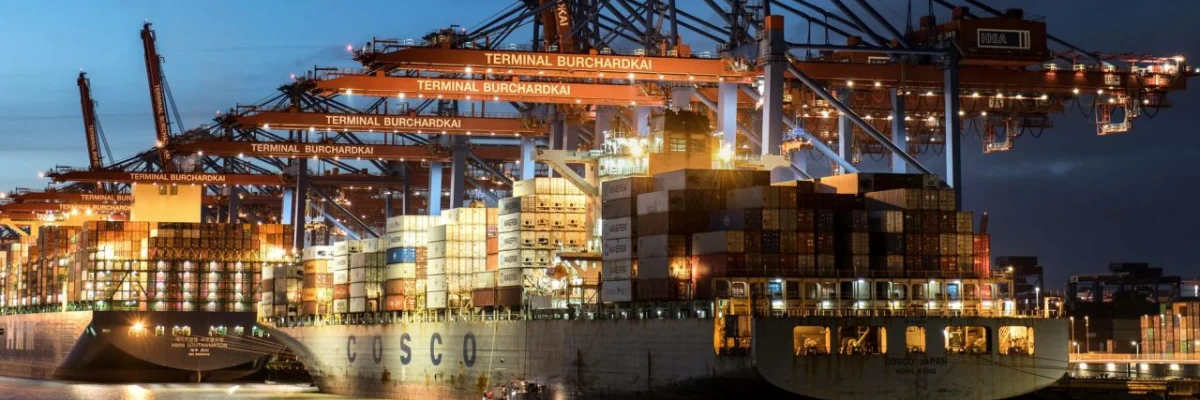
The global logistics landscape is undergoing a profound transformation as technology reshapes traditional shipping workflows. Freight forwarders are increasingly moving away from manual spreadsheets to integrated cloud platforms to manage complex supply chain demands. This shift is not merely about digitizing paperwork but about creating a transparent ecosystem that connects carriers, shippers, and agents in real-time. As volatility remains a constant factor in international trade, adopting robust software solutions has become a survival necessity. MakeCargo empowers professionals to navigate these challenges by streamlining operations, reducing costly human errors, and fostering stronger collaboration across every link of the global distribution network.
Automation in Modern Operations

Modern warehouses are rapidly adopting robotics and automated sorting systems to keep pace with global consumer demands. These technological upgrades drastically reduce the time required to process cargo while minimizing the potential for physical handling errors during the peak season loading cycles.
- Real-time data tracking: Implementing automated tracking tools allows your team to monitor cargo movements instantly from departure to arrival points without requiring constant manual updates or endless email chains.
- Reducing manual entry: Automated document processing extracts critical data from bills of lading and invoices to eliminate redundant keystrokes that often lead to expensive shipping mistakes and delays.
- Workflow synchronization: Integrated software platforms ensure that every department remains aligned by updating shipment statuses simultaneously for all stakeholders involved in the current logistics project lifecycle.
- Smart inventory management: Digital platforms provide precise insights into warehouse stock levels to help forwarders manage space allocation more effectively while reducing overhead costs for their clients.
- Automated billing cycles: Financial systems now generate invoices automatically upon milestone completion to ensure faster payment processing times and improved cash flow for your growing forwarding business.
Embracing automation creates a reliable backbone for any freight forwarding firm aiming to remain competitive. By removing the burden of repetitive administrative work, your professional team can focus on higher value tasks like client retention and strategic network expansion. Technology serves as a force multiplier that helps businesses achieve scalability and reliability in an industry where speed is often the primary metric for success.
Global Supply Chain Transparency

Visibility remains a top priority for shippers who demand precise status updates on their high value cargo shipments. Real time data streams provide the clarity needed to make proactive adjustments when supply chain disruptions threaten to derail your original transit schedule.
- Live shipment monitoring: GPS integration provides constant visibility into the exact location of maritime or land freight to ensure you can provide accurate delivery estimates to your customers.
- Predictive delay warnings: Advanced analytics software identifies potential bottlenecks at major ports or customs checkpoints before they escalate into major problems for your ongoing shipping operations today.
- Centralized communication hubs: Bringing all stakeholder conversations into a single digital platform prevents information silos and ensures that everyone is viewing the same consistent data regarding shipment status.
- Enhanced document security: Cloud storage solutions protect sensitive commercial invoices and customs declarations from physical loss or unauthorized access while maintaining compliance with international data privacy standards.
- Customized client reports: Automated reporting tools generate professional summaries that highlight efficiency gains and cost savings to demonstrate your value to potential and existing shipping partners.
Maintaining high levels of transparency is the best way to foster long term trust with your shipping partners. When clients have instant access to reliable data, their confidence in your services grows exponentially. By leveraging these digital tools to provide unmatched visibility, forwarders distinguish themselves as modern, capable partners who can manage the complexities of global trade with professional precision and complete openness.
Optimizing Customs Compliance

Customs clearance often acts as the primary hurdle for international shipments. Navigating the maze of local regulations requires precise documentation and deep industry expertise to avoid hefty fines or storage charges during the mandatory verification processes at national borders.
- Regulatory updates database: Automated systems track changing trade regulations across different countries to ensure your documentation remains compliant with the latest legal requirements for every shipment.
- Digital tariff calculators: Built-in tools help you determine the exact duties and taxes due on cargo shipments to prevent calculation errors that cause significant shipping delays.
- Standardized filing formats: Uniform electronic filing processes reduce the likelihood of rejection by customs authorities by ensuring that every document meets strict global formatting and content standards.
- Compliance audit trails: Detailed digital logs track who accessed or modified specific documents to provide an ironclad audit trail for your internal records and official reporting.
- Risk assessment tools: Software analyzes potential shipment risks based on historical data to help your team prepare necessary declarations before the cargo even arrives at port.
Efficiency in customs procedures is a significant advantage in the competitive freight landscape. By utilizing advanced software to handle the technical details of compliance, your team significantly reduces the risk of goods being held at customs. A proactive approach to regulatory standards safeguards your business against legal exposure while ensuring that your client freight reaches its final destination without any unnecessary bureaucratic interference.
Sustainability in Logistics
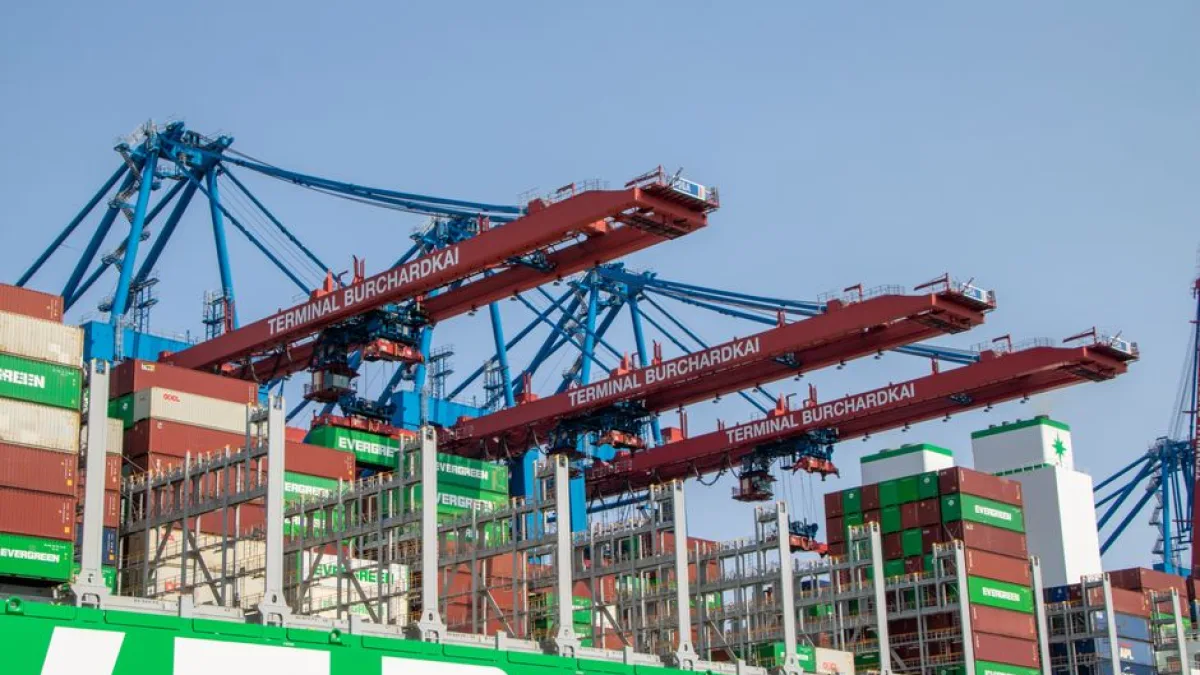
Sustainable logistics is no longer an optional marketing initiative but a core operational requirement. Forwarders are now finding creative ways to reduce their carbon footprint by optimizing container loads and selecting the most fuel efficient transit routes for global operations.
- Route optimization software: Advanced algorithms calculate the shortest and most efficient transport paths to significantly lower fuel consumption and reduce carbon emissions for every international cargo delivery.
- Consolidated shipping models: Combining smaller shipments into single container loads improves space utilization and reduces the number of trips required to transport goods across the global ocean.
- Digital paperwork reduction: Moving to a paperless environment eliminates the need for physical printing and courier services which directly reduces the environmental impact of your daily office operations.
- Carbon emission tracking: Integrated reporting tools calculate the total emissions generated by your logistics activity to provide transparent environmental performance data to your climate conscious clients.
- Carrier performance metrics: Data driven insights allow you to prioritize shipping lines that demonstrate a clear commitment to environmental stewardship and modern fuel efficient vessel maintenance.
Environmental responsibility is quickly becoming a deciding factor for major shippers when choosing their logistics partners. By integrating sustainable practices into your service offering, you not only contribute to a healthier planet but also open new doors for business growth. Forwarders who prioritize these metrics demonstrate forward thinking leadership that resonates with modern corporate values while simultaneously driving meaningful operational efficiency across their networks.
Conclusion
Success in the modern freight industry requires a commitment to digital transformation and operational excellence. By adopting robust cloud software, your firm can navigate complex logistics challenges with confidence and precision. Whether you are focusing on automation, compliance, or sustainability, the right tools make a world of difference. Start your journey today and position your business at the forefront of global logistics innovation.