Navigating the Future of Digital Freight Forwarding Efficiency
Tuesday, August 18 2026
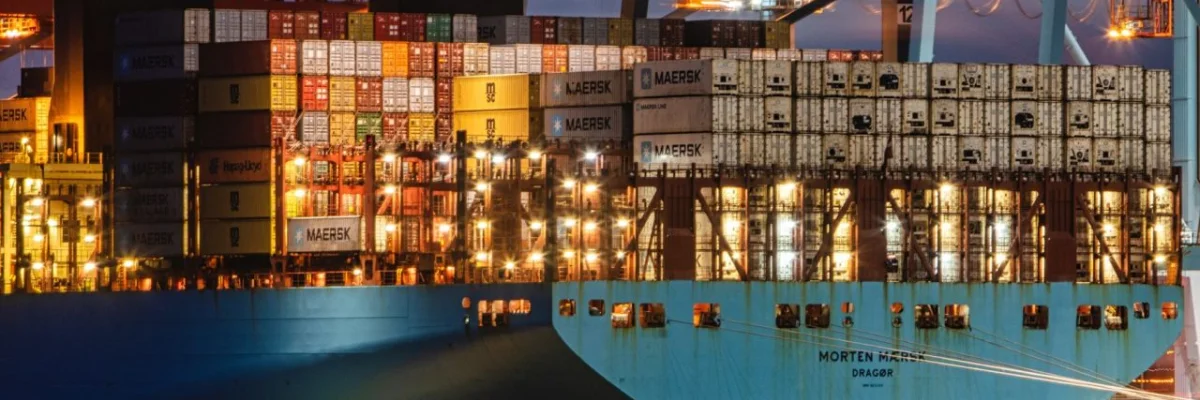
The global logistics landscape is undergoing a rapid transformation as digital integration becomes the standard for competitive freight forwarders. Modern shippers now demand instant visibility, seamless documentation, and real time updates that legacy systems often fail to deliver effectively. By shifting toward cloud based platforms, companies can eliminate manual data entry errors and accelerate their operational throughput significantly. As we move further into this decade, the ability to harmonize complex supply chain data will define the winners in a crowded marketplace, ensuring that cargo moves faster and with higher precision than ever before.
Modernizing Terminal Operations
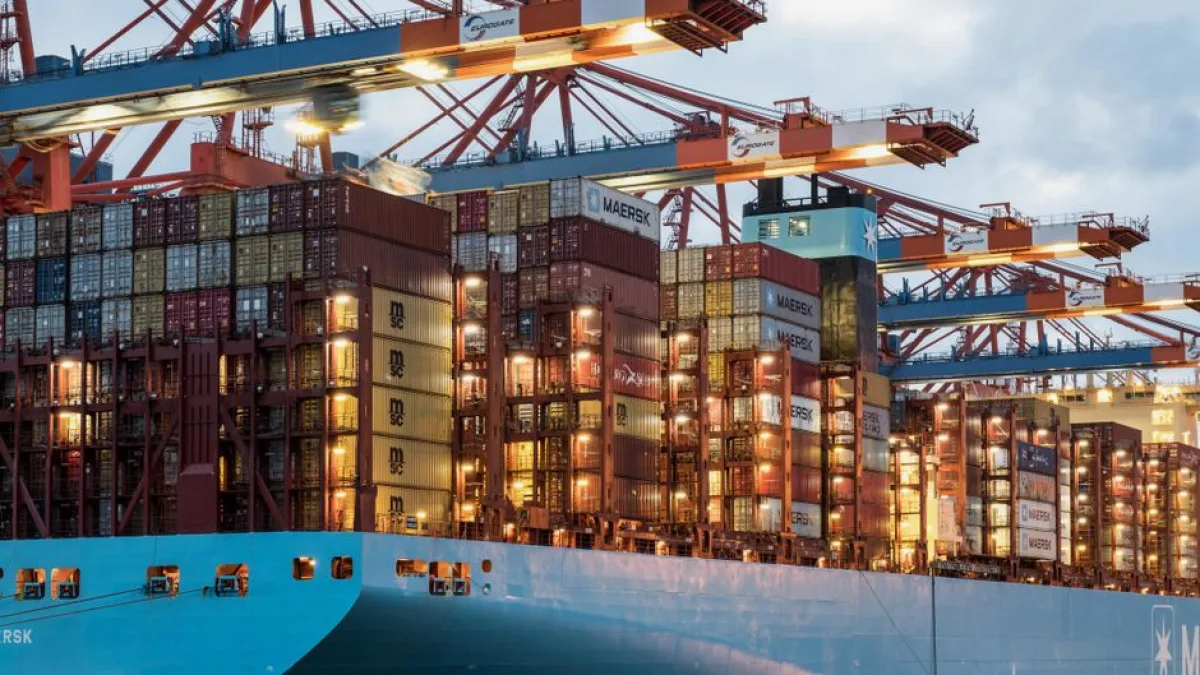
Port terminals are rapidly adopting automated systems to manage the surge in global trade volumes. These facilities now rely on complex software to sync vessel arrival times with trucking capacity, ensuring that containers are moved efficiently without creating unnecessary bottlenecks at gates.
- Automated Gate Systems: High speed camera technology now reads container numbers instantly to reduce gate waiting times and improve overall yard efficiency for all incoming and outgoing heavy truck traffic.
- Terminal Scheduling Tools: Integrated digital platforms allow forwarders to reserve specific time slots, preventing congestion while ensuring that cargo is ready for pick up upon arrival at the facility.
- Real Time Tracking: Advanced sensors provide granular data points regarding container location, enabling teams to proactively manage expectations for clients regarding their shipment status throughout the entire process.
- Data Syncing Protocols: Standardized messaging formats allow different port authorities to share information seamlessly, reducing the administrative burden that typically slows down international document processing for many logistics firms.
These infrastructure improvements represent a critical step toward a fully connected global supply chain. By embracing these technological advancements, freight forwarders can reduce their reliance on fragmented communication methods that often lead to expensive delays. Continued investment in terminal automation remains the best strategy for handling increasing cargo demands while maintaining high levels of client satisfaction and operational transparency across all international transport lanes.
Cloud Software Integration

Cloud software serves as the central nervous system for contemporary logistics firms, enabling teams to access critical documents from anywhere in the world. This transition away from on premise servers reduces maintenance costs and significantly improves data security for global operations.
- Centralized Data Management: Storing all documentation in a secure cloud environment ensures that every department can access current information, preventing common mistakes associated with outdated offline spreadsheets and files.
- Scalable Digital Infrastructure: Cloud platforms expand alongside company growth, allowing firms to add new users and features without the need for significant hardware purchases or complex network upgrades.
- Enhanced Cyber Security: Top tier cloud providers offer robust protection against data breaches, which is vital for maintaining client trust and complying with strict international data privacy regulations.
- Remote Team Collaboration: Digital workspaces facilitate better communication between regional offices, ensuring that documentation is processed accurately regardless of the specific time zone or physical location of employees.
Transitioning to cloud based systems offers a competitive edge by providing unmatched flexibility in a fast paced industry. By eliminating the limitations of older software architectures, companies can deploy updates and new features instantly across their entire organization. This agility allows forwarders to adapt quickly to shifting market conditions and provides a foundation for long term digital success and operational scalability.
Supply Chain Visibility
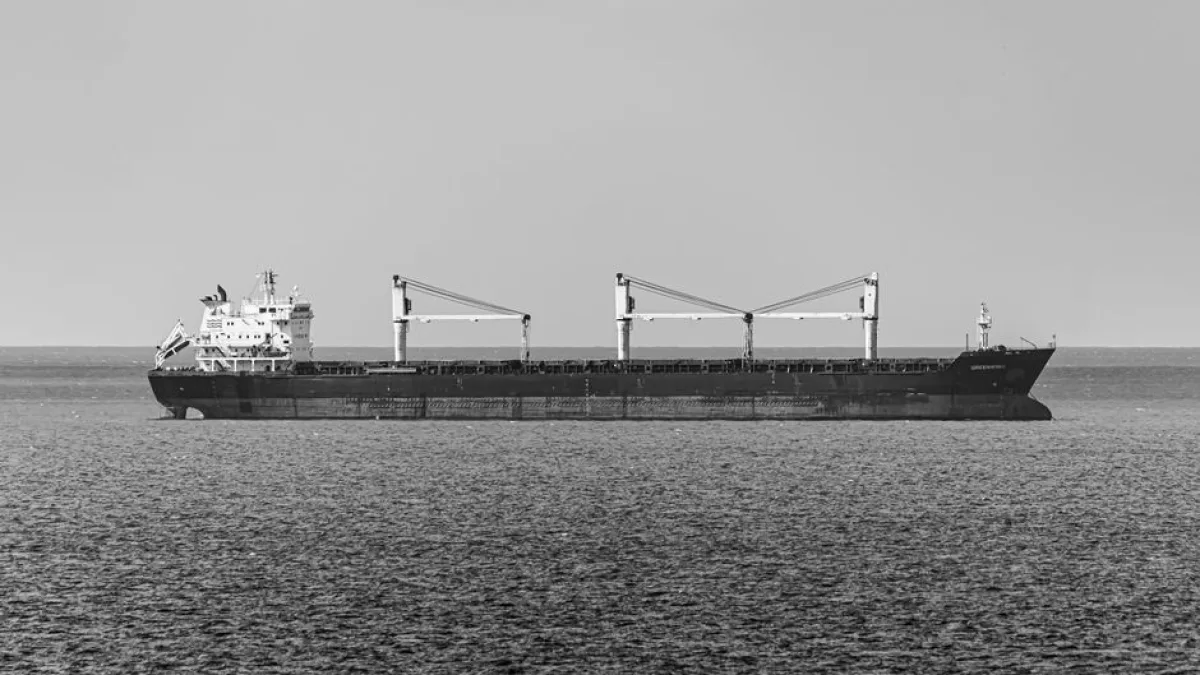
Achieving total supply chain visibility is no longer just a luxury but a requirement for modern freight forwarding. Shippers need to see exactly where their goods are during each leg of the journey to manage inventory levels and customer commitments effectively.
- Predictive Analytics Tools: Modern software uses historical data to forecast potential delays, helping teams implement mitigation strategies before minor issues escalate into major operational headaches for shipping clients.
- Integrated Tracking Dashboards: Unified platforms pull information from various carriers and regional partners, presenting a clean interface that allows managers to monitor multiple active shipments in real time.
- Automated Client Alerts: System generated notifications keep stakeholders updated on shipment progress, significantly reducing the volume of status inquiries that customer service teams must handle on a daily basis.
- End To End Mapping: Visualizing the entire transport route helps identify inefficiencies in the supply chain, allowing companies to choose better routes that save time and reduce fuel costs.
Investing in visibility solutions drastically changes how firms manage their daily operations. Instead of reacting to problems after they occur, staff can use data driven insights to plan more effectively. This shift improves the overall reliability of the service provided to clients while reducing internal costs associated with communication gaps and emergency logistics planning in a highly volatile global market environment.
Documentation Automation

Automating documentation is the most effective way to eliminate human error in the shipping process. By digitizing bills of lading and customs forms, forwarders can ensure that every document is accurate, compliant, and ready for electronic submission to government authorities.
- Optical Character Recognition: Advanced scanning software converts physical documents into editable text files, saving thousands of hours of manual entry and reducing the risk of costly typos on shipments.
- Customs Compliance Engines: Built in logic checks ensure that all electronic customs filings meet regional regulatory requirements, preventing shipments from being held up at borders due to errors.
- Digital Signature Workflows: Replacing ink signatures with secure digital versions speeds up the approval process, allowing partners to sign off on critical documents without needing physical courier services.
- Document Archiving Efficiency: Electronic filing systems allow for instantaneous retrieval of historical records, making it easier to prepare for audits or resolve disputes regarding past shipments with clients.
Digitizing your paperwork flow is essential for achieving true operational efficiency. By stripping away the manual burden of managing paper files, staff members are freed to focus on high value tasks like account management and strategic planning. This technological shift creates a cleaner and more transparent workflow, leading to faster customs clearances and improved relationships with international trade partners and regulatory agencies alike.
Conclusion

The future of freight forwarding depends entirely on the adoption of modern digital tools. By modernizing terminal interactions, leveraging cloud infrastructure, enhancing visibility, and automating documentation, companies can overcome traditional hurdles. Now is the time to audit your current internal systems and implement the software necessary to thrive in this new digital era. Start your digital transformation today to remain a industry leader.