Navigating the Future of Digital Freight Forwarding
Wednesday, August 19 2026
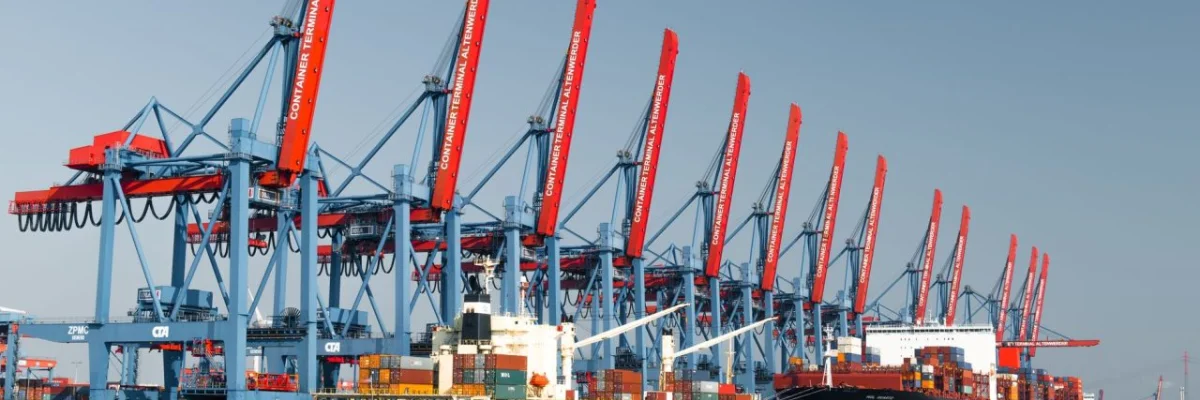
The global logistics landscape is undergoing a profound transformation as technology reshapes traditional shipping practices. Freight forwarders are increasingly adopting cloud-based platforms to maintain competitive advantages amidst volatile market conditions and complex supply chain requirements. As manual processes give way to automated workflows, professionals must adapt to tools that offer transparency, real-time data visibility, and improved collaboration across borders. This shift represents a move toward high efficiency, allowing small to medium enterprises to scale their operations significantly. Understanding these technological trends is no longer optional but a core requirement for any forwarder aiming to thrive in the modern era of international trade.
Automation in Modern Operations

Automated systems allow forwarders to process shipments faster by reducing the reliance on repetitive manual data entry. By integrating software that handles documentation automatically, teams can redirect their focus toward complex problem solving and client relationship management instead of tedious administration.
- Eliminating human error: Automated data capture ensures that critical shipping details remain accurate across every document which prevents costly delays and customs penalties during international transport and clearance processes.
- Speeding up workflows: By streamlining the entry of shipping details, companies reduce the time spent on processing individual orders and can increase their daily throughput by significant margins.
- Real time syncing: Cloud platforms update information instantly so that all stakeholders have access to the same current data, preventing communication gaps and ensuring high levels of accuracy.
- Scalable digital architecture: Modern software grows with your business needs, allowing you to add new users and features without needing a complete overhaul of your internal IT infrastructure.
- Cost reduction strategies: Reducing manual intervention lowers labor costs while increasing the volume of cargo a single operator can manage, driving higher overall profitability for your logistics firm.
Implementing these automated solutions transforms the operational speed of your business while creating a foundation for future growth. Forwarders who embrace these tools often report fewer errors and higher client satisfaction rates due to improved accuracy. By focusing on core business activities rather than administrative overhead, your team can become more agile and responsive to changing client demands in this fast-paced logistics market.
Data Analytics and Transparency

Data driven insights are becoming the backbone of strategic decision making in freight forwarding today. With comprehensive analytics, managers can identify bottlenecks in their supply chain before they result in shipment delays, ensuring that operations remain smooth and profitable throughout the year.
- Predictive performance metrics: Advanced software tools analyze past shipping data to help you forecast potential issues, enabling proactive management that keeps cargo moving despite various global challenges.
- Detailed carrier reports: Monitoring carrier performance allows you to identify which partners provide the best value and reliability, helping you negotiate better rates and improve service quality.
- Customer visibility portals: Providing clients with access to their own tracking data increases trust and reduces the volume of status inquiries handled by your customer service team.
- Optimizing shipping routes: Analytics platforms suggest the most efficient pathways for goods to travel, saving fuel costs and reducing transit times significantly for all your shipping clients.
- Revenue growth tracking: Keeping a close eye on profit margins per shipment helps you focus on the most lucrative trade lanes and services to boost bottom line results.
Leveraging these insights allows you to turn raw data into a tangible competitive advantage. By monitoring key performance indicators, you gain the ability to make evidence based decisions that improve every aspect of your service. Forwarders who prioritize data transparency are better equipped to build long term partnerships with clients, demonstrating value through consistent reliability and high-level service in every single shipment handled.
Cloud Technology for Collaboration

Cloud based platforms bridge the gap between global teams by providing a centralized hub for all logistics activities. Whether your staff is in the office or working remotely, access to shared systems ensures that communication remains fluid and project updates are always visible.
- Seamless remote access: Employees can connect to the core platform from anywhere in the world, facilitating work from home arrangements while maintaining high security for sensitive trade data.
- Integrated communication tools: Features that allow teams to chat or leave notes directly on specific shipment files ensure that no context is lost during the transfer process.
- Enhanced document security: Cloud storage solutions protect critical trade documentation from physical damage or theft, ensuring compliance with international regulations and company internal safety standards for data.
- Unified platform access: Multiple offices or departments can collaborate in a single shared environment, eliminating the need for fragmented communication methods like email threads and spreadsheets.
- Efficient partner onboarding: New partners and agents can be added to your digital ecosystem quickly, allowing for rapid expansion of your network and service capabilities globally.
Collaboration technology is essential for modern freight forwarding because it creates a unified source of truth for every participant in the supply chain. By eliminating silos and ensuring that everyone remains updated, you drastically reduce the chance of miscommunication or missed deadlines. Investing in these collaborative systems will empower your workforce to work as one cohesive team, regardless of their physical geographical location today.
Cybersecurity in Global Logistics

As the freight industry digitizes, protecting sensitive client information and shipment data from digital threats is a top priority. Robust security protocols are necessary to maintain trust with global partners and comply with tightening international regulations regarding digital privacy and business operations.
- Encryption of data: Utilizing end to end encryption for all sensitive documents ensures that trade secrets and client information remain confidential during transit through the internet and storage.
- User access controls: Implementing strict permissions allows you to define exactly who can see or edit specific files, reducing the risk of unauthorized internal or external access.
- Regular system updates: Keeping your cloud platform software updated ensures that you benefit from the latest security patches designed to defend against modern digital threats and vulnerabilities.
- Automated backup systems: Frequent backups protect your business against data loss in the event of hardware failure or accidental deletion, ensuring that your operations remain resilient throughout.
- Security compliance standards: Adhering to international cybersecurity standards demonstrates that your company is a responsible handler of data, which is a major selling point for global clients.
Prioritizing cybersecurity builds the foundation for long term digital success in the logistics industry. By implementing these measures, you protect your company from significant reputational damage and financial losses associated with security breaches. As threats evolve, staying vigilant and proactive about your security posture will ensure your business remains a secure and trusted partner for clients operating in international markets across the globe.
Conclusion

Adopting modern technology is the clearest path forward for freight forwarders looking to improve efficiency and scale operations in a complex global market. By focusing on automation, data analytics, cloud collaboration, and robust security, your firm will be well positioned for long term success. Start evaluating your digital infrastructure today to identify areas for growth and secure a stronger competitive advantage tomorrow.