Navigating the Future of Digital Freight Forwarding Efficiency
Thursday, August 20 2026

The global logistics landscape is undergoing a massive transformation driven by the rapid adoption of cloud-based freight forwarding solutions. As traditional paper-heavy processes become increasingly obsolete, professionals are turning toward integrated digital platforms to maintain a competitive edge. This shift is not merely about digitizing documents but about creating a transparent, real-time ecosystem that connects stakeholders across continents. By leveraging automation and data-driven insights, forwarders can now mitigate risks and improve operational agility. Understanding these emerging technological trends is essential for any modern logistics company looking to thrive in a volatile market while delivering exceptional service to their global client base.
The Rise of Automated Documentation

Manual data entry often serves as a significant bottleneck in daily freight operations, leading to costly human errors and delays. By automating document management, forwarders can redirect their focus toward high-value tasks, effectively optimizing their internal workflows and reducing overhead significantly.
- Enhanced Data Accuracy: Automated systems minimize typos and formatting errors that frequently occur during manual input, ensuring that all customs documentation remains compliant with international shipping regulations and trade standards.
- Faster Processing Times: Digital document workflows accelerate the speed at which paperwork moves between carriers and clients, allowing for quicker turnaround times on critical documentation and faster customs clearance.
- Secure Cloud Storage: Centralizing files within a secure cloud environment protects sensitive shipping data from loss or unauthorized access while facilitating instant retrieval for audit purposes or client inquiries.
- Seamless Integrations: Modern software platforms sync directly with carrier systems and accounting tools, creating a unified flow of information that eliminates the need for redundant manual file transfers.
- Real-time Collaboration: Teams located in different time zones can access and edit documents simultaneously, fostering a culture of transparency and efficiency that improves overall project management across borders.
Adopting automated documentation is no longer just an optional improvement but a core requirement for scalability in modern logistics. As shipping volumes fluctuate, having a system that handles heavy paperwork loads effortlessly becomes a primary differentiator. Forwarders who embrace these digital tools successfully streamline their operations, reduce burnout for staff, and provide a faster, more reliable service that keeps them ahead of local competitors.
Optimizing Supply Chain Transparency
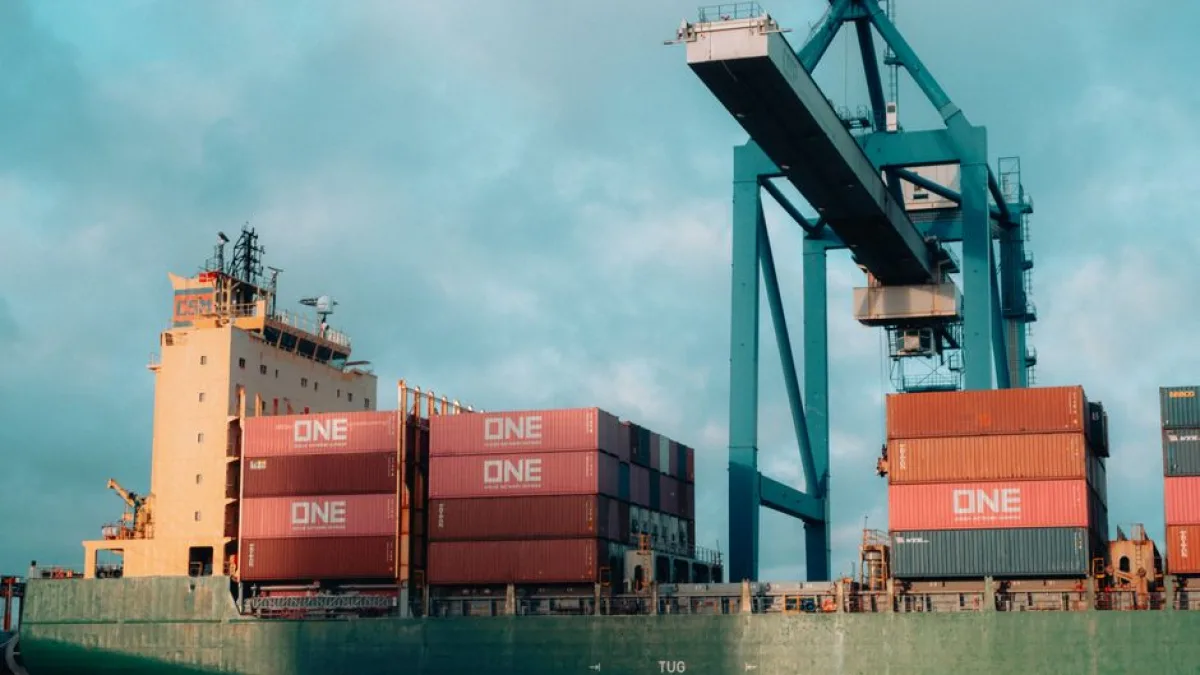
True visibility into the supply chain allows logistics professionals to track shipments with precision from origin to final destination. This level of oversight helps teams identify potential disruptions before they escalate into major problems, ensuring cargo remains on schedule throughout its journey.
- Live Cargo Tracking: Real-time tracking modules provide constant updates on vessel location and container status, giving customers peace of mind and allowing forwarders to manage exceptions proactively and effectively.
- Predictive Analytics Integration: Advanced algorithms analyze historical shipping data to predict potential bottlenecks at ports or hubs, enabling logistics companies to plan alternative routes well ahead of actual delays.
- Proactive Client Alerts: Automated notifications keep stakeholders informed about their shipment status, which significantly boosts customer satisfaction levels and reduces the volume of repetitive status update inquiries for agents.
- Unified Dashboards: A centralized dashboard brings together data from multiple vendors and shipping lines, offering a single source of truth that simplifies decision-making during complex multi-modal shipping projects.
- Exception Management Tools: Dedicated software features highlight shipments that deviate from the expected path, allowing teams to intervene quickly to resolve issues before they impact the final delivery deadline.
Achieving total supply chain transparency empowers businesses to move from a reactive stance to a proactive strategy. When forwarders provide clients with precise data and reliable tracking, they build long-term trust and brand loyalty. This visibility is essential for maintaining smooth operations, especially during peak seasons when cargo congestion is common. Investing in these tools helps logistics firms turn data into a competitive advantage today.
Building Resilience Through Cloud Integration

Cloud-based platforms provide the flexibility necessary for logistics companies to scale their operations regardless of their physical location. This remote-friendly approach ensures that business continuity remains intact even during unforeseen global disruptions, allowing teams to remain connected and fully operational everywhere.
- Global Team Access: Cloud architecture allows employees to log into the logistics system from any location, facilitating a truly flexible workforce that is ready to manage global shipments anytime.
- Automatic Software Updates: Managed cloud solutions push out updates automatically, ensuring that every user always operates on the latest version of the software without requiring expensive onsite server maintenance.
- Scalable Infrastructure Growth: Businesses can easily increase their system capacity as shipping volumes grow, allowing companies to pay only for the resources they currently use while maintaining top performance.
- Redundant Data Backups: Distributed server networks keep information safe through constant backups, preventing the catastrophic data loss that can occur when relying on outdated on-premise hardware systems and infrastructure.
- Cost Effective Scaling: Reducing the reliance on physical hardware lowers maintenance expenses, freeing up budget to invest in further digital improvements and talent acquisition to expand overall business capability.
Resilience in the freight industry is closely tied to how effectively a company utilizes cloud technology. By moving away from rigid, local hardware solutions, forwarders create an infrastructure that can adapt to changing market conditions with ease. This agility is vital for long-term survival, as it enables firms to pivot quickly when supply chains face sudden challenges or major logistical hurdles arise.
Standardizing Communication Across Borders

Effective communication is the backbone of successful freight forwarding, especially when coordinating between diverse international partners and stakeholders. Standardizing how messages and data are exchanged prevents confusion and ensures that everyone follows the same protocols for every single shipping project executed.
- Standardized Messaging Portals: Unified communication channels within the platform prevent essential messages from getting lost in fragmented email threads, ensuring all project discussions remain organized and easily searchable for agents.
- Multilingual Support Tools: Integrated tools can help bridge the gap between global partners, ensuring that documentation and communications are understood accurately by all parties involved in the logistics chain.
- Automated Task Assignment: Clear digital workflows assign specific tasks to team members based on project requirements, reducing the risk of dropped communication or missed deadlines during busy periods.
- Audit Trails Recorded: Every conversation and document update is logged automatically, providing a transparent audit trail that can be referenced during disputes or for internal performance improvement reviews.
- Client Portal Engagement: Dedicated portals for clients allow them to ask questions and view updates directly, which reduces administrative work for the forwarding team while improving client experience.
Standardizing how information flows through your organization is the most effective way to improve performance and reduce internal friction. When every member of your team follows the same communication standards, the likelihood of errors decreases significantly. This consistency improves your professional reputation, simplifies training for new employees, and creates a more cohesive work environment that supports growth and high-quality service delivery globally.
Conclusion

The evolution of digital freight forwarding software is fundamentally changing how logistics professionals handle complex global supply chains. By focusing on automation, transparency, cloud resilience, and standardized communication, companies can achieve higher efficiency levels and improved client retention. Embracing these technological advancements now ensures that your business remains at the forefront of the industry while navigating the evolving demands of the modern global market.