Navigating the Future of Digital Freight Forwarding
Saturday, August 22 2026
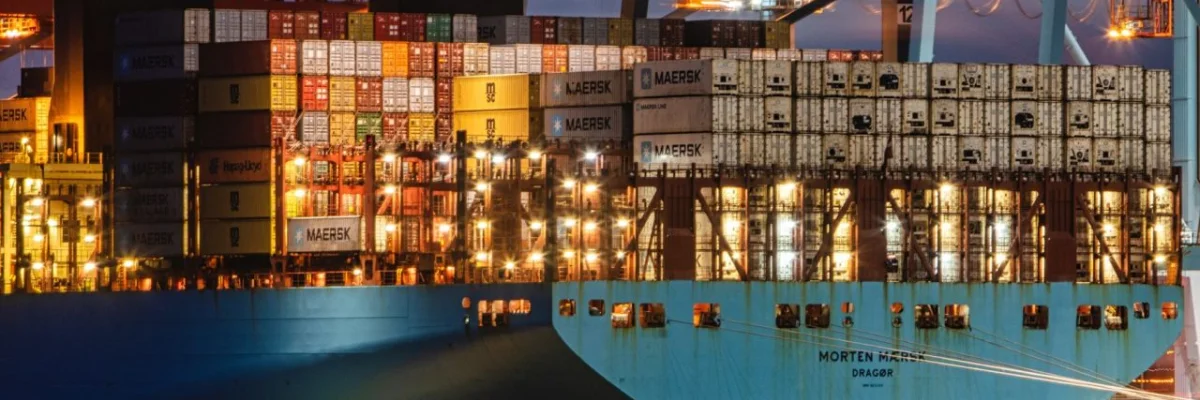
The global logistics landscape is undergoing a profound transformation as technology reshapes traditional shipping workflows. Freight forwarding professionals now operate in an era where data transparency and process automation are no longer optional advantages but critical necessities for survival. As supply chain complexities mount, companies must adapt their digital infrastructure to maintain competitive edges and meet rising customer expectations for real-time visibility. This shift towards cloud-based platforms allows firms to optimize operations and scale efficiently. By embracing modern digital tools, forwarders can finally overcome legacy constraints and deliver superior value while navigating the inherent volatility of international trade routes and regulatory environments.
Modernizing Logistics Infrastructure
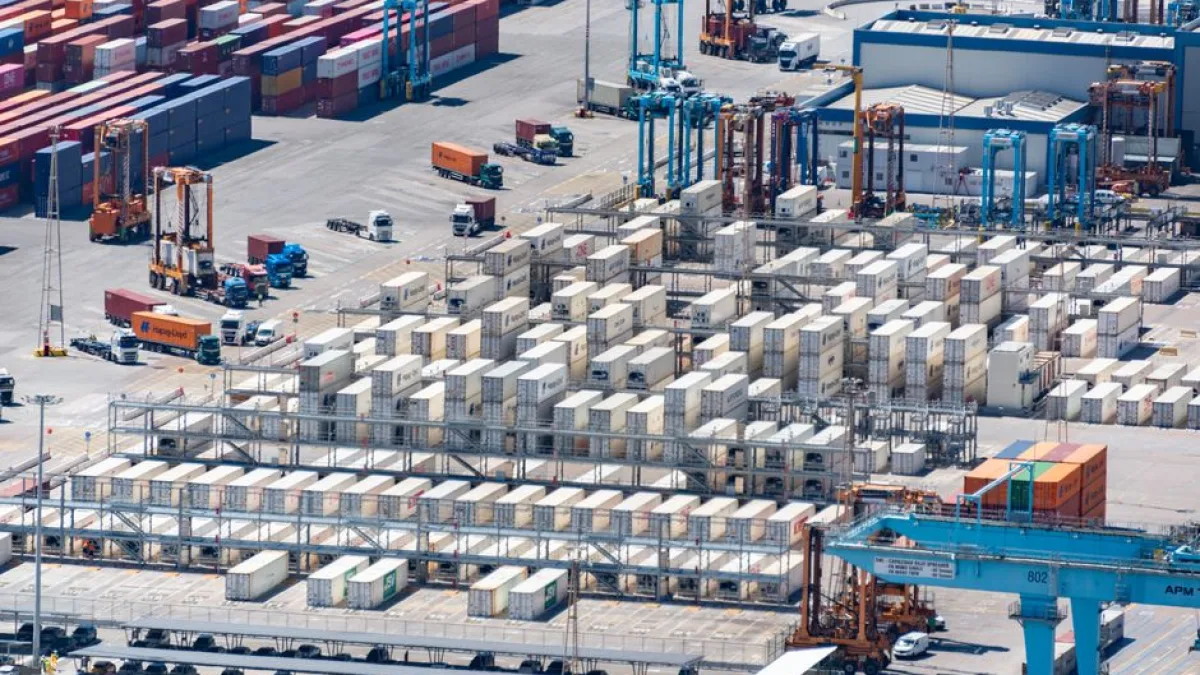
Port logistics systems are rapidly evolving to handle the immense pressure of global trade volume. Modern infrastructure requires a seamless blend of hardware and software to ensure that goods move across borders without costly bottlenecks or communication delays between stakeholders.
- Automated Data Entry: Implement smart software solutions that reduce manual document processing time significantly. This transformation minimizes human errors and accelerates the speed of customs clearance for every shipment.
- Cloud Platform Integration: Leverage centralized cloud systems to connect your entire supply chain network securely. Real-time data access ensures that all partners remain informed throughout the transport process.
- Digital Inventory Tracking: Utilize advanced sensors and tracking technologies to monitor cargo location at every single node. Instant status updates provide the visibility that modern shippers demand daily.
- Unified Communication Hubs: Consolidate emails and messages into a single professional dashboard for your operations team. Reducing fragmented communications prevents critical details from getting lost during transit cycles.
Updating your foundational logistics technology represents a necessary investment in long-term operational success. By moving away from fragmented spreadsheets and manual data entry, your firm achieves higher throughput and accuracy. These improvements help stabilize your workflow during periods of market fluctuation, ensuring that your team maintains high service levels regardless of external pressures. Digital transformation is the ultimate tool for achieving consistent growth.
Optimizing Global Supply Chains
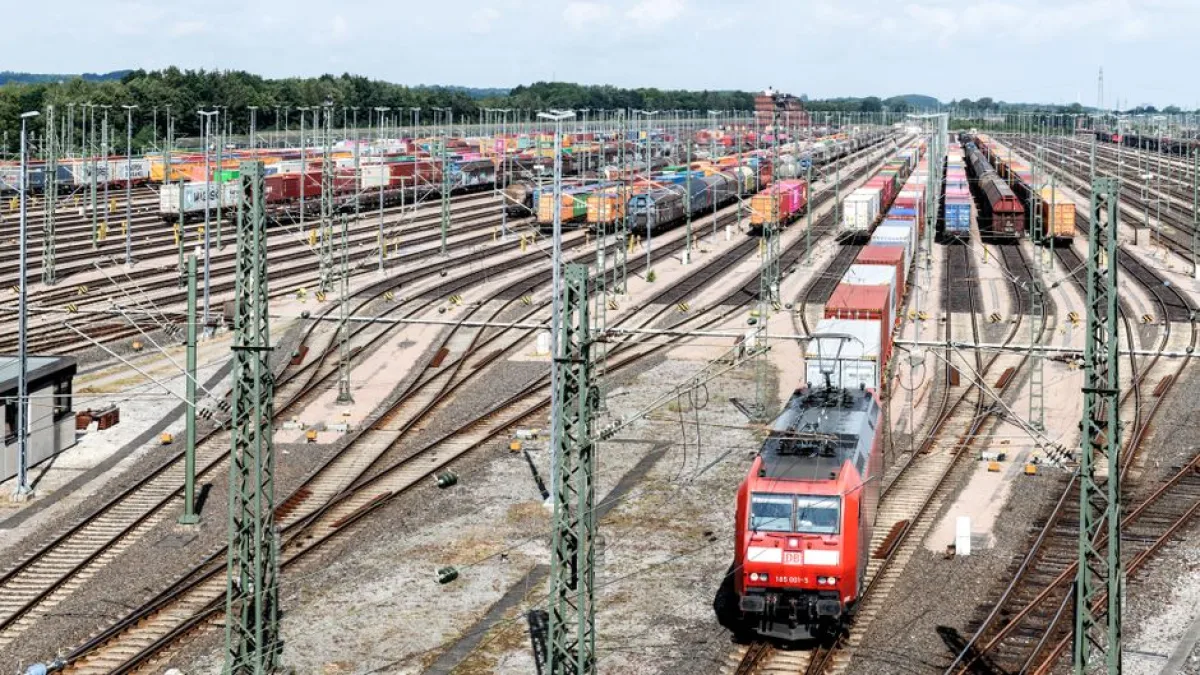
Global supply chains depend on intricate networks that must function in perfect harmony. Strategic optimization of these routes minimizes transit times and lowers overall costs for clients, turning complex logistics challenges into smooth and predictable business operations every day.
- Route Planning Tools: Utilize sophisticated software to select the most efficient transportation paths for your cargo. Smart algorithms save fuel costs and reduce transit times for your customers.
- Vendor Management Systems: Maintain a centralized database of reliable carriers and partners across the globe. Strong relationships supported by data ensure consistent service quality and pricing.
- Risk Mitigation Software: Identify potential disruptions early using predictive analytics and historical traffic data. Proactive adjustments protect your shipments from unexpected delays in major transit hubs.
- Cost Management Dashboards: Gain granular insight into every expense associated with moving goods across borders. Understanding your margins allows for more competitive pricing and better profitability.
Efficient supply chain management requires constant attention to detail and a willingness to leverage modern software insights. When you master the art of route optimization, your firm becomes more resilient against market shifts and logistical hurdles. Delivering value consistently attracts loyal clients and strengthens your position in the marketplace. Focus on data-driven decision making to navigate the complex world of international shipping.
The Role of Data Transparency

Data transparency serves as the backbone of modern freight forwarding, fostering trust between providers and their clients. By offering clear insights into shipment status and cost structures, companies can build lasting relationships based on honesty and reliable operational performance.
- Real Time Tracking: Provide clients with instant access to their shipment status via a secure portal. High visibility reduces the number of inquiry calls your team receives.
- Customized Client Reporting: Generate detailed performance reports that highlight key metrics for your customers periodically. Clear evidence of your efficiency reinforces the value you provide.
- Digital Document Storage: Store all invoices and transport documents in a searchable online archive for quick retrieval. Proper organization saves time during audits and inquiries.
- Proactive Issue Notification: Alert your clients immediately if a shipment encounters an unexpected delay or issue. Transparency during problems helps manage expectations and preserves your reputation.
Embracing a culture of radical transparency empowers both your internal team and your external customers. When clients can access information independently, they feel more confident in your professional services. This digital shift reduces the friction often found in traditional forwarding models, making your company a preferred choice. Continued focus on data clarity will secure your firm a prominent spot in the industry.
Adapting to Changing Regulations

Navigating the complex maze of international shipping regulations remains a primary challenge for forwarders today. Staying compliant while maintaining operational efficiency requires a robust strategy and the right tools to monitor shifting legal standards in real-time environments.
- Automated Compliance Checks: Use software tools to automatically verify documentation against the latest international shipping standards. This prevents expensive fines and customs delays at borders.
- Regulatory Alert Systems: Subscribe to industry feeds that notify your team about policy changes in specific regions. Early awareness allows for timely adjustments to your procedures.
- Digital Customs Filing: Submit all required import and export paperwork electronically to relevant government authorities. Digital submission reduces paper waste and ensures faster processing cycles.
- Professional Training Programs: Invest in continuous education for your staff regarding evolving maritime laws and security. A knowledgeable team is your best defense against non-compliance risks.
Remaining compliant is a continuous journey that demands diligence and the right technological support. By automating your compliance processes, you remove the burden of manual checks from your hardworking staff. This systematic approach guarantees that your logistics operations remain legally sound and efficient across all jurisdictions. Prioritize these updates today to protect your firm against future legal complications and operational downtime.
Conclusion

The future of freight forwarding depends on how effectively firms integrate technology into their daily operations. By modernizing infrastructure and prioritizing transparency, forwarders can overcome traditional obstacles and thrive in a competitive market. Start your transition toward digital excellence today to ensure your company remains a leader in the global logistics space. Reach out to our team to see how MakeCargo supports your growth.