Navigating the Future of Digital Freight Forwarding
Wednesday, August 26 2026

The global logistics landscape is undergoing a profound transformation as technology reshapes how goods move across international borders. Freight forwarders are increasingly tasked with managing complex supply chains while meeting heightened expectations for transparency and speed. Adapting to this digital evolution is no longer a luxury but a fundamental requirement for staying competitive in a saturated market. By embracing modern cloud platforms, companies can eliminate legacy inefficiencies and foster seamless communication between stakeholders. This shift allows businesses to focus on strategic growth rather than manual document handling, ultimately redefining what it means to be a modern forwarder in the current era.
Embracing Cloud Integration
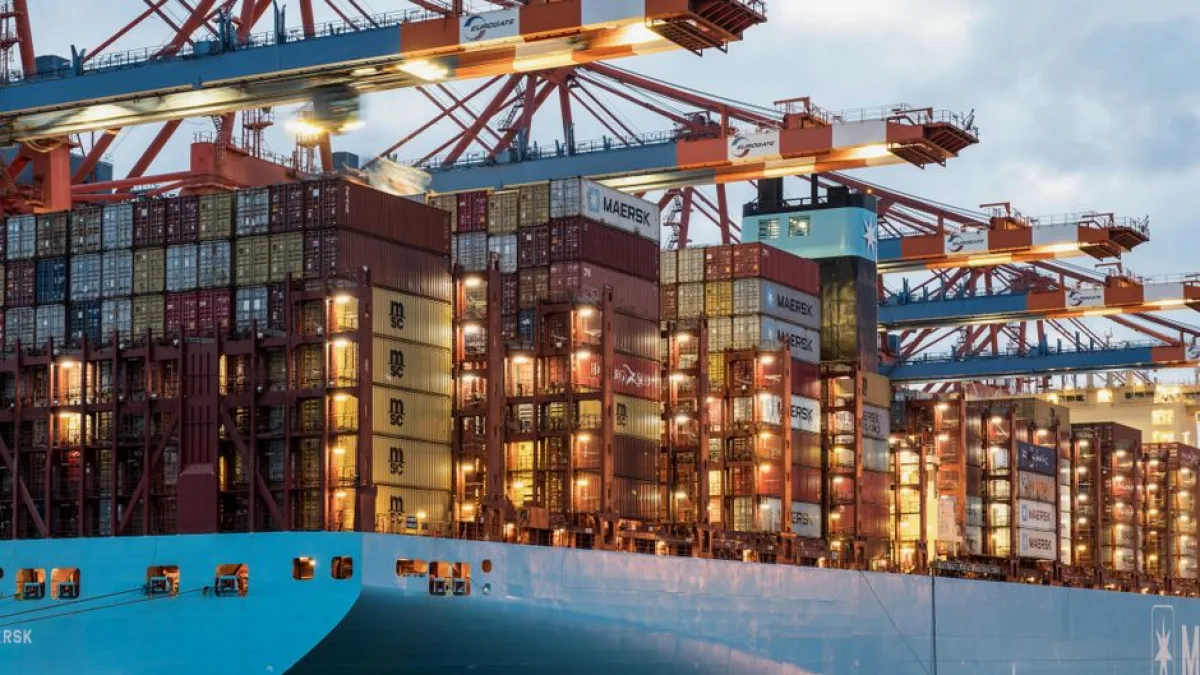
Digital transformation begins with the adoption of cloud based systems that centralize data management. Modern freight platforms ensure that information remains accessible in real time, enabling teams to respond rapidly to shifting market demands and unforeseen logistical challenges without constant manual intervention.
- Seamless data connectivity: Cloud platforms integrate your various operational tools into a single source of truth that helps teams synchronize shipment data and reduce errors across international transit networks.
- Enhanced team collaboration: Real time access to documentation allows staff across different global offices to work together efficiently on complex shipments while maintaining high standards of data accuracy.
- Scalable infrastructure growth: Choosing cloud based software enables your agency to expand operations without investing in expensive local servers or complex hardware configurations that hinder long term technical agility.
- Superior security protocols: Modern software providers implement advanced encryption and regular security updates to protect sensitive client information against growing cyber threats in the complex logistics software ecosystem.
Transitioning to integrated cloud systems creates a resilient foundation for your business. By breaking down departmental silos, you empower your staff to make data driven decisions that directly impact your bottom line. As you move away from legacy methods, the ability to scale your operations becomes significantly easier, ensuring your firm remains agile and responsive in an increasingly volatile global shipping environment for years ahead.
Automating Compliance Processes

Regulatory compliance is a major hurdle for forwarders, yet automation simplifies the verification of complex shipping documents. Automated platforms scan and validate information against international standards, reducing the risks associated with human error and ensuring that cargo moves through customs without delays.
- Automated document verification: Intelligent software automatically cross references your customs declarations against regulatory databases to identify potential discrepancies before shipments reach the border to prevent costly administrative penalty fees.
- Standardized reporting tools: Generating accurate reports becomes a automated task that saves your team hours of manual work while ensuring that all financial records meet international regulatory requirements.
- Customs clearance speed: By streamlining the submission process through direct digital interfaces, your company can achieve faster customs processing times for clients who demand urgent delivery of goods.
- Reduced manual labor: Automating repetitive tasks like data entry allows your employees to shift their focus toward high value tasks that foster deeper relationships with your essential clients.
Investing in automation transforms your approach to regulatory compliance from a reactive process into a proactive strategy. You minimize the risk of costly hold ups while increasing the efficiency of your internal teams. When administrative burdens are lifted through smart software solutions, your forwarders can focus on solving complex logistical problems that differentiate your brand from competitors in the crowded freight marketplace.
Optimizing Client Transparency

Clients today expect instant visibility into their supply chains at every stage of the journey. Providing self service portals and automated updates enhances the customer experience, building long term trust and demonstrating your commitment to professional communication and reliability in service.
- Client self service: Providing your customers with dedicated login access empowers them to track their own cargo status without needing to call your office for frequent updates.
- Real time notifications: Automatic status alerts keep your clients informed about their shipments throughout the transit process which builds trust through consistent and transparent operational communication flow.
- Digital document access: Offering instant access to invoices and bills of lading ensures that your clients can manage their own records without requesting help from your staff.
- Customized dashboard views: Allowing clients to view their unique logistical metrics helps them understand the performance of their supply chain partners while highlighting your firm's professional value.
Transparent communication is the cornerstone of client retention in freight forwarding. By providing clear digital pathways for customers to follow their cargo, you reduce the volume of routine inquiries your team receives daily. This investment in client experience turns satisfied shippers into loyal partners, providing your business with a stable and predictable revenue stream while elevating your reputation for excellence within the logistics industry.
Leveraging Advanced Data Analytics
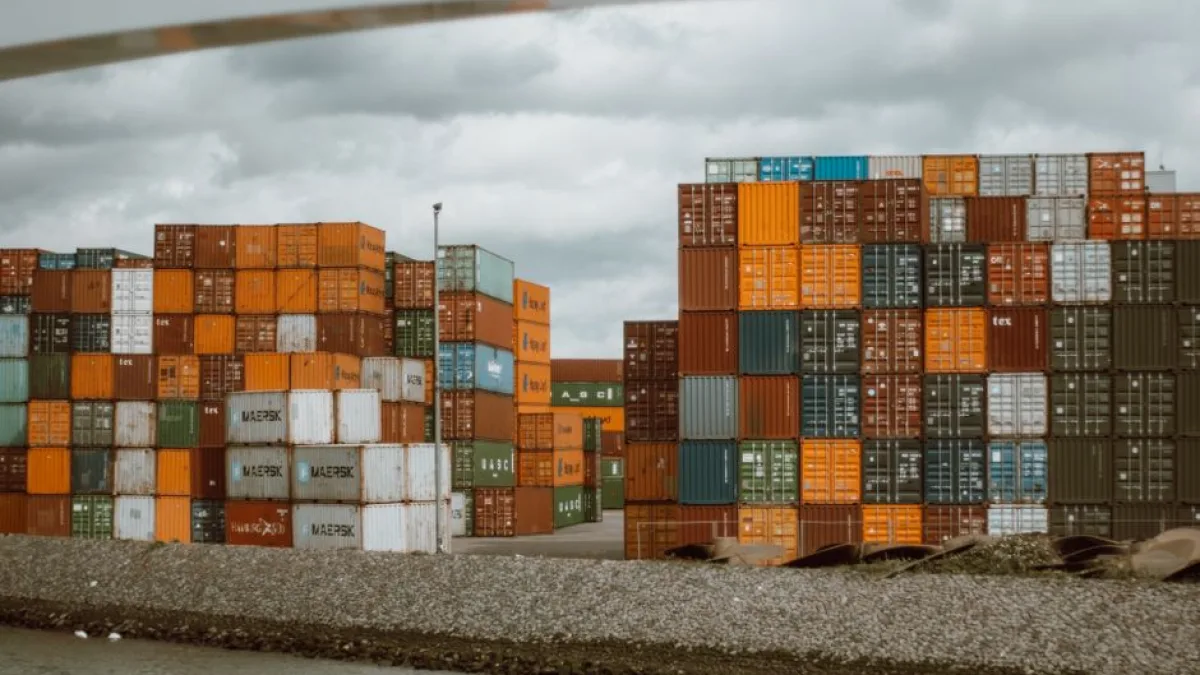
Data is the most valuable asset in modern logistics management for uncovering hidden operational inefficiencies. Analytics tools transform raw shipment data into actionable insights, helping forwarders optimize routes, reduce costs, and identify new opportunities for growth in changing and complex global markets.
- Route optimization insights: Analyzing historical shipping data helps your team identify the most efficient transit paths which ultimately lowers transportation costs and improves overall service delivery speeds.
- Cost analysis modeling: Sophisticated data tools allow you to compare carrier pricing trends so you can negotiate better rates and improve profit margins on every single booking.
- Trend forecasting ability: Predictive analytics tools help your company anticipate seasonal demand fluctuations so you can better manage your resources and ensure capacity during peak shipping periods.
- Operational efficiency metrics: Measuring performance against key benchmarks allows your management team to identify bottlenecks in your workflow and implement improvements that drive better business results quickly.
Using data analytics effectively changes how you navigate the freight landscape. It moves your agency from making guesses to making informed, strategic decisions that enhance profitability. When you utilize the power of your own shipping data, you gain a distinct advantage over rivals who rely solely on intuition. This data centric mindset is essential for sustainable success in our fast paced world.
Conclusion

The digital transformation of the freight forwarding industry is accelerating rapidly. By adopting cloud systems, automating compliance, and prioritizing client transparency, forwarders can unlock significant operational efficiencies. Leveraging data analytics further secures a competitive advantage, ensuring that your firm remains agile and profitable. Embrace these technological shifts today to build a resilient, future proof business that delivers exceptional value to every customer.