Navigating the Future of Digital Freight Forwarding Efficiency
Wednesday, September 2 2026
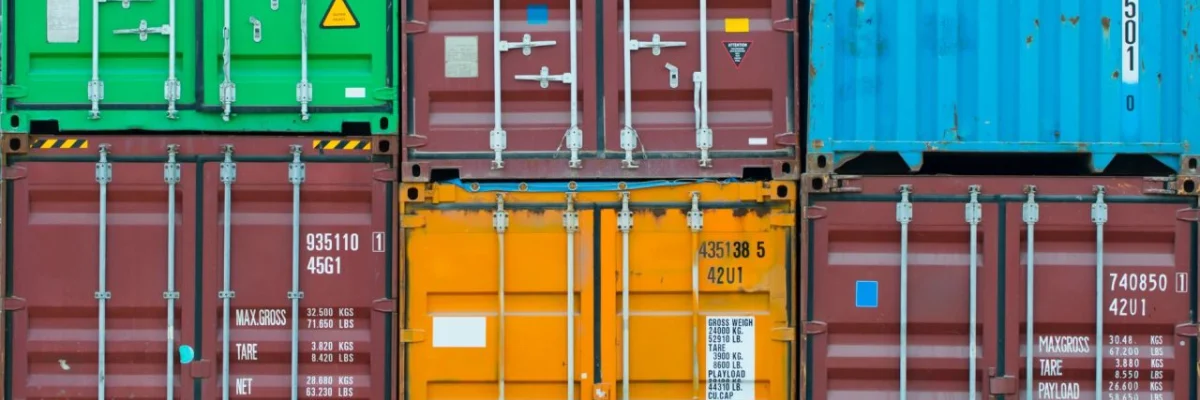
The global logistics landscape is undergoing a profound transformation driven by rapid technological adoption and changing market demands. Freight forwarders are increasingly looking toward cloud-based platforms to maintain a competitive edge while managing complex supply chains. As shippers demand greater transparency and speed, the shift from traditional manual operations to automated digital workflows has become a strategic necessity for survival. Modernizing your software stack is no longer an optional upgrade but a core requirement for companies aiming to scale effectively in an volatile global economy while maintaining high service standards for their clients.
Automation in Modern Operations

Warehouse automation technology is revolutionizing how freight forwarders handle inventory processing and documentation. By integrating smart systems, companies can reduce human error and speed up the movement of goods through crowded ports and distribution hubs, ensuring efficiency at every step.
- Seamless data integration: Automated software bridges the gap between disparate legacy systems by ensuring that shipping documents and tracking updates are synchronized in real time across the entire global network.
- Reduced manual labor: Modern tools automate repetitive tasks like invoicing and customs clearance paperwork which allows your team to focus on high-value client relationships rather than data entry.
- Improved error tracking: Digital validation protocols flag potential discrepancies in cargo weight or documentation instantly so teams can address issues before they cause costly delays at borders.
- Faster document processing: Optical character recognition technology extracts vital information from bills of lading or packing lists automatically to accelerate the documentation cycle for every active shipment.
Transitioning to automated workflows allows freight forwarders to handle higher volumes without increasing headcount. By minimizing the time spent on administrative tasks, your staff can dedicate their efforts to strategic planning and personalized client support. This shift not only improves internal productivity but also enhances the overall reliability of your services, making your brand more attractive to shippers who prioritize speed and accuracy.
Real-time Shipment Visibility

Visibility has become the most valuable currency in logistics today. Shippers now expect instant updates on cargo location and environmental conditions throughout the entire journey from the manufacturing plant to the final delivery destination at the end of the chain.
- Live GPS tracking: Implementing advanced satellite tracking allows you to provide clients with minute by minute updates on cargo movement while reducing the need for constant manual inquiries.
- Proactive anomaly alerts: Smart platforms monitor shipment conditions like temperature or humidity and send automatic notifications if values deviate from safety thresholds during transit or port storage.
- Unified client portals: Providing customers with a branded self-service portal gives them direct access to their shipment status which builds significant trust and reduces administrative call volumes.
- Enhanced predictive analytics: Software tools analyze historical transit data to predict potential bottlenecks or weather delays which allows for proactive routing adjustments before problems affect the cargo.
Giving your customers total visibility into their supply chain is essential for fostering long-term partnerships. When shippers can see exactly where their cargo is at any moment, they feel more secure and confident in your expertise. This transparency removes the friction caused by constant status update requests and positions your firm as a forward thinking industry leader in a competitive logistics market.
Strategic Data Management

Data is the backbone of informed decision making within the freight industry. By collecting and analyzing operational information, businesses can uncover hidden trends that lead to cost savings and improved service delivery across all global shipping lanes and partners.
- Centralized cloud databases: Storing all shipment records in one secure cloud environment prevents data silos and ensures that every department has access to the most recent information.
- Performance report generation: Automated reporting tools allow managers to pull actionable insights on carrier performance and route profitability to optimize your spending and improve service levels.
- Scalable infrastructure growth: Cloud platforms easily scale with your business volume which ensures that your software performance remains stable even as you acquire more customers or lanes.
- Data driven routing: Analyzing historical lane data helps identify the most cost-effective and reliable shipping paths to avoid congested ports and seasonal delays during peak periods.
Harnessing the power of your operational data allows for better strategic planning and resource allocation. Instead of relying on guesswork, your team can make decisions backed by hard numbers and historical performance metrics. This scientific approach to logistics management minimizes waste and maximizes your bottom line while ensuring that your service offerings remain lean and highly responsive to changes in market demand.
Streamlining Client Communication

Clear communication is the bridge that connects freight forwarders to their clients and partners. By replacing fragmented emails with integrated messaging tools, companies can ensure that critical information flows smoothly and that all stakeholders stay aligned throughout the shipment lifecycle.
- Integrated messaging systems: Built-in communication tools enable teams to discuss specific shipment issues directly within the platform so that all history is saved for future reference.
- Automated status notifications: Keeping clients informed through automatic status emails or messages ensures that stakeholders are updated without requiring manual intervention from your account management team.
- Collaborative file sharing: Secure document exchange features allow for instant sharing of customs forms or invoices while maintaining tight security over sensitive corporate and shipping information.
- Customer satisfaction monitoring: Automated feedback collection after shipments helps you gauge your service quality and identify areas where your client communication can be further refined daily.
Centralizing communication reduces the risk of missed instructions or lost information that often occurs with email chains. By keeping all interactions within your software environment, your team maintains a complete audit trail for every shipment. This structured approach improves accountability and speeds up problem resolution when challenges arise, ultimately leading to higher client satisfaction and more stable business growth in the future.
Conclusion

Embracing digital transformation is no longer optional for freight forwarders who want to succeed in a modern, fast-paced logistics environment. By implementing cloud-based software, you can automate manual processes, improve visibility, and foster stronger client relationships. Start optimizing your operations with MakeCargo to stay ahead of industry demands and secure your place as a leader in the global shipping market today.