Navigating the Future of Digital Freight Forwarding
Thursday, September 3 2026
The global logistics landscape is undergoing a profound transformation as technology reshapes how goods move across international borders. Freight forwarders are increasingly tasked with managing complex supply chains while meeting heightened expectations for transparency and real time tracking. Adopting cloud based software is no longer a luxury but a fundamental requirement to remain competitive in a market defined by rapid fluctuations. As industry standards evolve, professionals must balance operational efficiency with the human touch that defines exceptional service. This article explores how modern digital tools empower forwarders to overcome legacy challenges and thrive in an interconnected global economy.
Embracing Automation Technologies
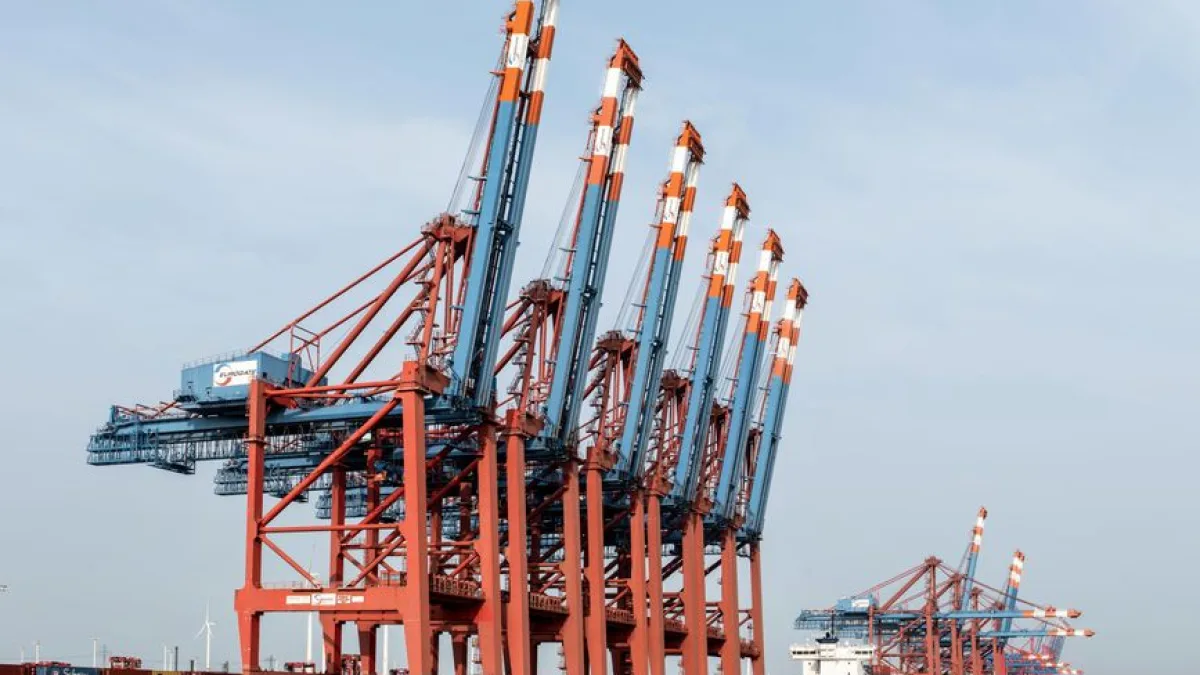
Warehouse automation and digital documentation workflows are rapidly replacing manual data entry processes that once slowed down global trade. By integrating intelligent software solutions, forwarders can reclaim hours of administrative time while significantly reducing the risk of costly human errors in documentation.
- Reduced manual work: Automated workflows allow teams to process shipping documents faster while eliminating repetitive tasks that often lead to data entry errors and long processing delays during peak seasons.
- Optimized document flows: Digital platforms streamline the creation of bills of lading and invoices by pulling data directly from existing records, ensuring consistency and accuracy across every single shipment.
- Enhanced data accuracy: Advanced software validates information in real time, preventing incorrect shipment details from entering the system and causing customs clearance issues at major international port entry points.
- Improved resource allocation: With mundane tasks automated, staff members can focus on complex problem solving and building strong relationships with clients instead of getting lost in paper files.
Transitioning to automated systems creates a foundation for scalable growth within your freight forwarding business. When your team spends less time manually inputting data, they gain the capacity to handle larger shipment volumes without compromising service quality. This shift in operational focus ensures that your company remains agile enough to respond to market disruptions while maintaining high levels of client satisfaction and loyalty throughout.
Enhancing Real Time Visibility

Clients now demand complete visibility into their shipment locations from departure to final delivery. Implementing cloud platforms provides the live tracking capabilities necessary to keep customers informed, effectively minimizing status update inquiries and building trust through total operational transparency and data.
- Live shipment tracking: Clients receive accurate status updates through automated notifications, reducing the volume of manual inquiries that your customer support team handles on a daily basis effectively.
- Cloud based access: Secure digital portals allow authorized stakeholders to access critical shipping information from anywhere in the world, facilitating seamless collaboration across different time zones and locations.
- Predictive delay alerts: Smart systems monitor weather and port congestion to provide proactive warnings, helping you manage client expectations before minor delays turn into major operational headaches.
- Transparent communication channels: Unified platforms centralize all shipment correspondence, ensuring that every update is logged and easily accessible to both internal teams and external logistics partners involved.
Providing exceptional visibility is the hallmark of a modern freight forwarder in today's digital market. When your customers have access to precise data whenever they need it, their confidence in your services grows significantly. By leveraging cloud based tracking technology, you transform the shipping experience from a black box into a clear, predictable journey that fosters long term business partnerships and repeat orders.
Strengthening Data Security Standards

As the logistics industry digitizes its core infrastructure, protecting sensitive client information becomes a critical responsibility for every forwarding professional. Robust cybersecurity measures prevent data breaches and maintain the trust required to handle high value cargo shipments across diverse global networks.
- Encrypted cloud storage: Modern freight platforms utilize high level encryption standards to ensure that sensitive cargo data and financial records remain safe from unauthorized access or digital threats.
- Multi factor authentication: Implementing secure login protocols for all software users adds a necessary layer of protection, preventing unauthorized individuals from gaining access to internal logistics management.
- Regular system updates: Software providers release frequent patches to protect against emerging vulnerabilities, keeping your firm ahead of potential security risks while ensuring continuous platform performance and stability.
- Data compliance adherence: Robust security features help your company meet strict international data protection regulations, shielding your business from legal liabilities while protecting the sensitive information of clients.
Prioritizing digital security is essential for forwarders who handle complex international cargo. Investing in platforms that view data protection as a core feature allows you to operate with peace of mind. By demonstrating a firm commitment to cybersecurity, you differentiate your brand as a reliable and professional partner, ensuring that your clients feel secure trusting you with their most valuable global shipments.
Optimizing Supply Chain Collaboration
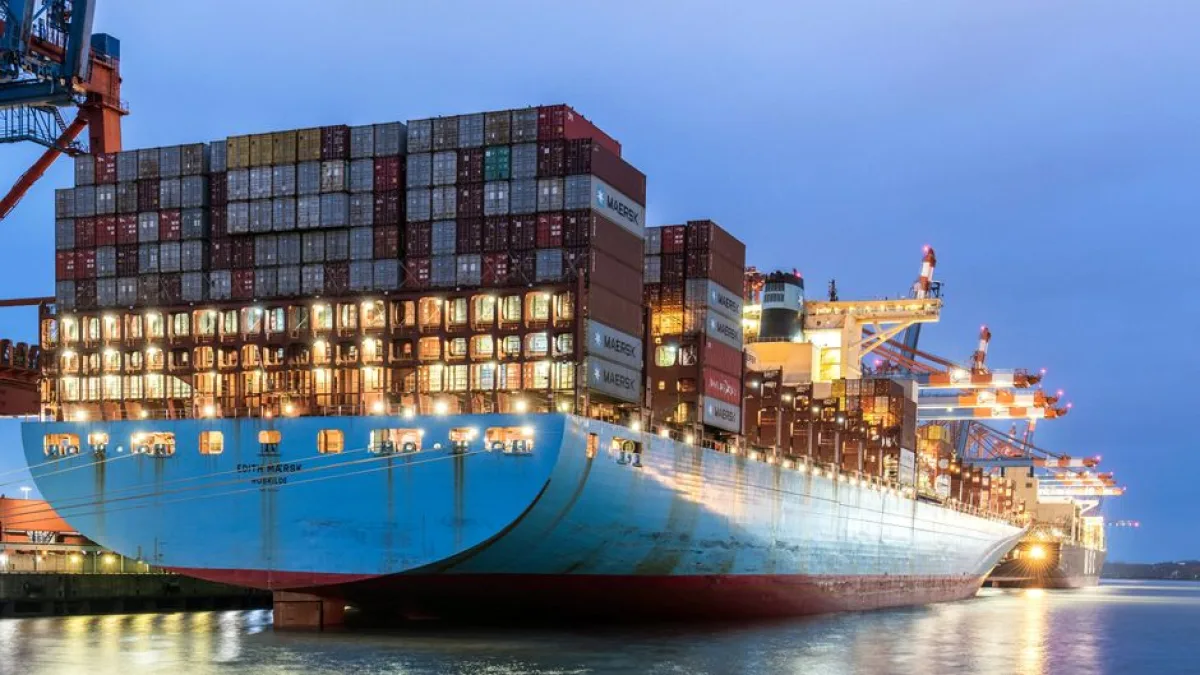
Success in freight forwarding depends on the seamless coordination between carriers, customs brokers, and shippers. Digital tools that foster collaborative environments break down communication silos and create a unified workflow that keeps all parties aligned throughout the entire shipping lifecycle process.
- Integrated partner portals: External logistics partners can share documents and updates directly through the software, ensuring that everyone is working from the same accurate information during transport.
- Unified communication tools: Centralizing messages within the platform ensures no detail is lost in email threads, allowing your team to maintain a clear record of every single transaction.
- Streamlined customs clearance: Collaborative digital systems allow brokers to receive documentation immediately, which accelerates the customs process and prevents unnecessary cargo holds at international border crossings worldwide.
- Real time status sharing: Everyone involved in the supply chain benefits from instant updates, creating a synchronized environment that reduces confusion and boosts overall operational efficiency for all.
Unified collaboration tools are the engine room of a high performing logistics team. By connecting all your stakeholders into a single ecosystem, you remove the friction that often plagues traditional freight forwarding processes. This cohesive approach not only speeds up cargo movement but also promotes a culture of transparency and shared success, enabling your business to deliver consistent results for your clients worldwide.
Conclusion
Digital transformation is the catalyst for future success in the freight forwarding industry. By adopting advanced cloud based tools for automation, visibility, security, and collaboration, you position your firm to tackle the challenges of modern logistics with confidence. Start optimizing your operations today with MakeCargo to experience a more efficient, reliable, and transparent shipping process for your global business partners and customers.