Navigating the Future of Digital Freight Forwarding Efficiency
Friday, September 4 2026
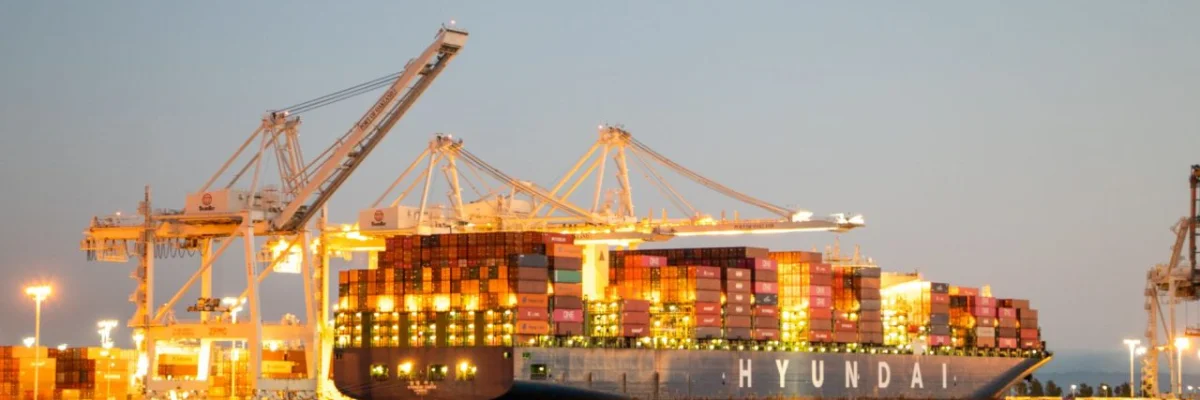
The global logistics landscape is undergoing a massive transformation driven by rapid technological integration and shifting trade demands. Freight forwarders are currently facing pressure to modernize their operations to remain competitive in a volatile market characterized by fluctuating capacity and heightened customer expectations for transparency. By adopting cloud-based platforms and data-driven decision tools, businesses can move beyond traditional manual processes. This transition is no longer just a luxury but a fundamental necessity for those aiming to scale their operations, reduce operational overhead, and provide reliable service in an increasingly complex and interconnected international shipping ecosystem.
Modernizing Operational Workflows
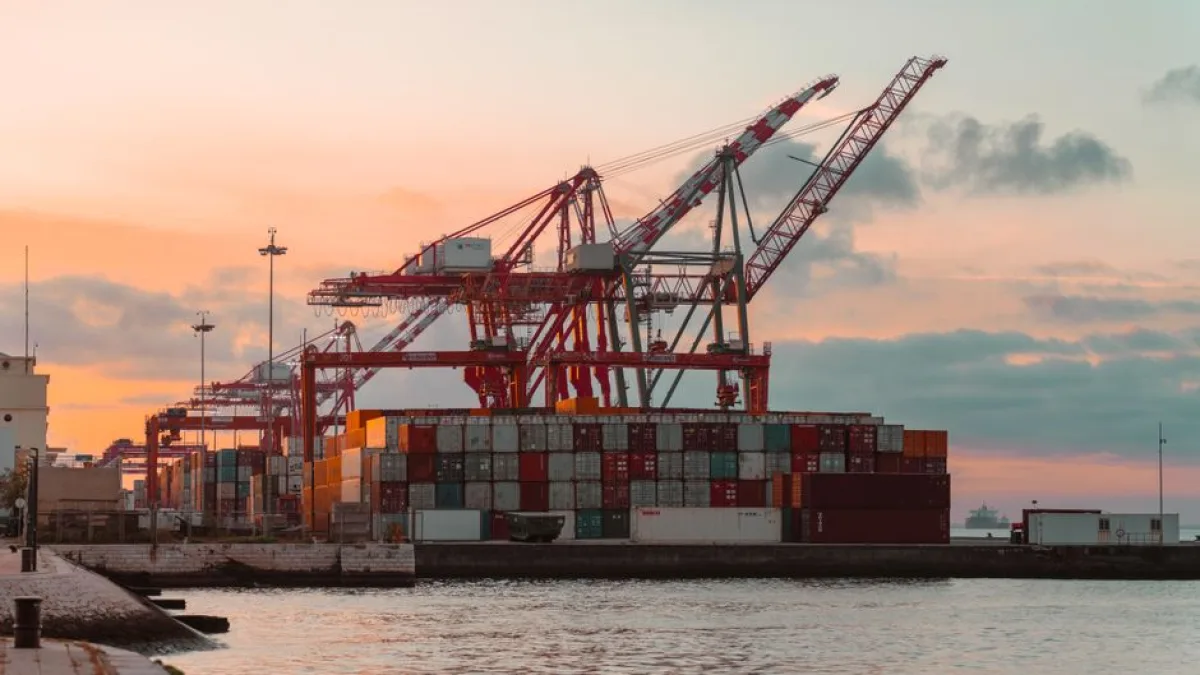
Manual data entry and disjointed communication channels often create significant bottlenecks within logistics companies today. Transitioning to integrated digital workflows allows teams to synchronize documents, track shipments in real-time, and eliminate redundant tasks that drain valuable employee time and organizational resources.
- Automated Data Processing: Advanced optical character recognition technology extracts vital shipment data from invoices and bills of lading to ensure accuracy while reducing human intervention and costly administrative input errors.
- Centralized Communication Hubs: Cloud platforms provide a single source of truth where agents, carriers, and clients can exchange information securely to improve collaboration and minimize the risk of miscommunication.
- Real-time Visibility Tools: Integrating live tracking APIs allows forwarders to provide customers with accurate location data throughout the entire journey which increases trust and overall service quality ratings.
- Scalable Cloud Infrastructure: Digital platforms enable forwarders to manage increasing shipment volumes without needing to expand headcount proportionally as automated systems handle routine logistical tasks with ease.
Optimizing these workflows represents the foundation of a modern freight business. By removing the friction associated with legacy systems, forwarders can focus on high-value client relationships and strategic growth initiatives. This shift does not happen overnight, but the long-term benefits of improved operational speed and reduced cycle times far outweigh the initial effort required to transition toward a fully digital working environment today.
Enhancing Supply Chain Transparency

Clients demand instant access to shipment milestones to manage their own inventories effectively. Offering a portal for self-service tracking significantly reduces the volume of status-related inquiries and empowers customers to take proactive control of their global distribution requirements.
- Dynamic Client Portals: Custom dashboards allow customers to view live status updates, download relevant shipping documents, and monitor performance metrics without contacting their account managers for routine information.
- Proactive Exception Management: Automated alerts notify operations teams immediately when delays occur so they can communicate solutions to clients before major disruptions affect the final delivery schedule.
- Document Management Systems: Secure online repositories ensure that every essential document from customs declarations to certificates of origin is instantly accessible for audit and verification purposes.
- API Integration Capabilities: Connecting software directly with carrier systems provides a seamless flow of information that creates a comprehensive view of the entire global supply chain.
Transparency is the new currency in the freight forwarding industry. Companies that prioritize providing actionable data to their clients gain a distinct competitive advantage over those clinging to outdated methods of manual updates. By giving customers the tools they need to stay informed, forwarders foster deeper loyalty and create long-term partnerships that are built on a foundation of reliability and openness.
Optimizing Customs Compliance Processes

Regulatory requirements remain a persistent challenge for international shippers who must navigate constantly changing import and export laws. Utilizing automated compliance modules helps forwarders mitigate risks, avoid penalties, and ensure that every shipment follows the appropriate international protocols without experiencing costly delays.
- Regulatory Update Tracking: Integrated software platforms monitor global customs databases to provide real-time updates regarding duty changes, trade restrictions, and shifting documentation requirements for various destination markets.
- Automated Classification Engines: Intelligent tools suggest the correct harmonized system codes for goods to prevent misclassification which often leads to severe fines and extended port holds.
- Standardized Filing Templates: Pre-defined templates ensure that all required regulatory documentation is completed correctly and formatted according to specific local standards before reaching the border agents.
- Risk Mitigation Dashboards: Analytical tools highlight high-risk shipments that might require extra scrutiny, allowing managers to intervene early to prevent compliance failures before they result in seizures.
Effective compliance management protects the reputation of the freight forwarder and saves clients significant money. By automating the technical side of customs brokerage, professionals can dedicate more time to navigating complex trade routes rather than filling out repetitive paperwork. Maintaining strict compliance standards in a digital format ensures that the entire logistical chain remains secure, efficient, and fully aligned with global trade laws.
Leveraging Data Analytics Growth

Harnessing the power of historical shipping data offers valuable insights that can transform how forwarders approach contract negotiations and capacity planning. Turning raw numbers into actionable business intelligence allows companies to make evidence-based decisions that optimize margins and improve service performance across their diverse global networks.
- Performance Benchmarking Reports: Analytics tools compare carrier performance against service agreements to help forwarders identify which partners deliver the best value and reliability for specific shipping lanes.
- Predictive Capacity Planning: Analyzing seasonal trends allows companies to forecast demand spikes accurately, ensuring they secure enough space on vessels during peak seasons to prevent cargo rolling.
- Margin Analysis Tools: Detailed cost breakdown features show exactly where profits are made or lost, enabling managers to adjust pricing strategies and optimize their service offerings for profitability.
- Operational Bottleneck Identification: Visual reports pinpoint recurring delays within the shipping process, allowing teams to optimize specific internal workflows and enhance the overall efficiency of their operations.
Data is the most valuable asset a forwarder possesses, yet it is often left untapped in legacy systems. By embracing analytical software, firms move away from guesswork and start operating with precision. This data-driven approach not only improves internal efficiency but also allows forwarders to provide better consultative advice to their clients, proving their value as true strategic partners in the global market.
Conclusion
Modernizing freight operations through digital platforms is the most effective path toward long-term success. By streamlining workflows, increasing transparency, ensuring compliance, and leveraging data, forwarders can thrive in a changing industry. These improvements benefit both the service provider and the client, fostering a more connected and efficient global supply chain. Take the first step toward your digital transformation today to secure a prosperous future.