Navigating the Future of Digital Freight Forwarding Efficiency
Sunday, September 6 2026
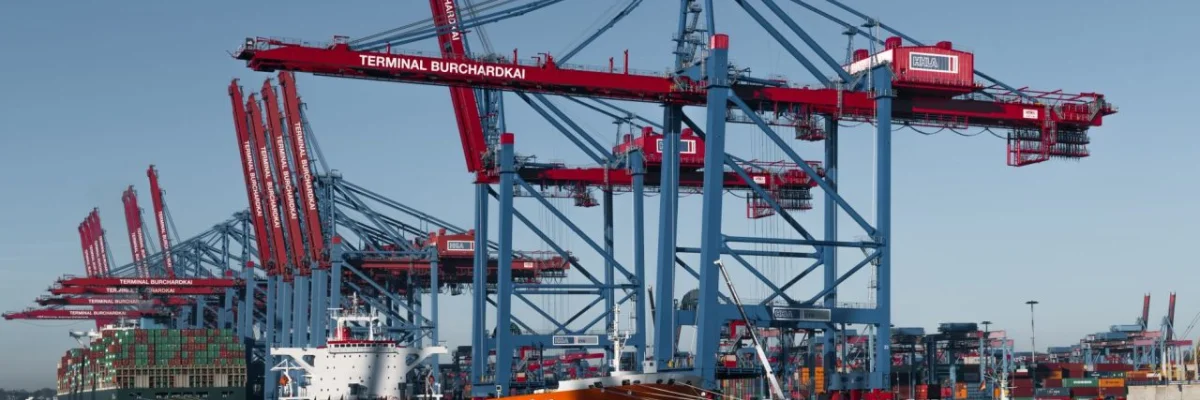
The global logistics landscape is undergoing a massive transformation driven by rapid digitization and shifting consumer expectations for total transparency. Freight forwarders are increasingly tasked with managing complex supply chains while maintaining margins in a volatile market. Adopting advanced cloud-based platforms is no longer a luxury but a fundamental requirement for maintaining operational excellence and securing competitive advantages. By integrating automated workflows and real-time tracking capabilities, forwarders can eliminate manual bottlenecks, reduce costly human errors, and provide superior service levels that modern shippers demand in today's interconnected world of international trade and logistics.
Modernizing Terminal Operations
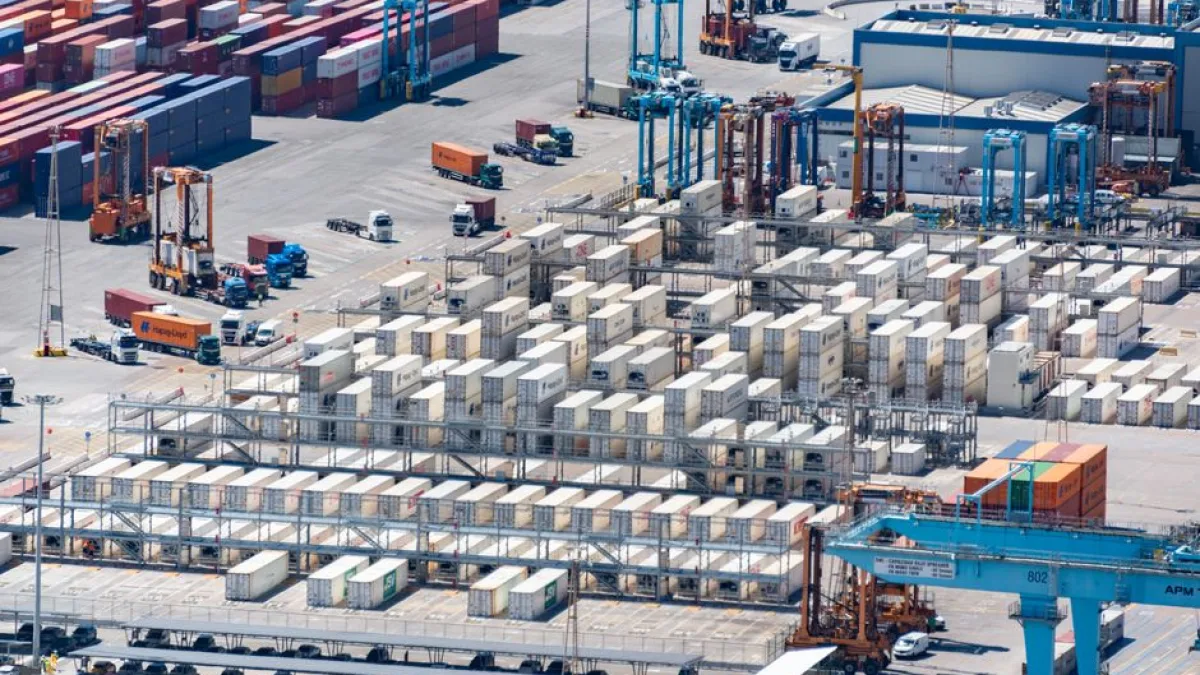
Port terminals are the heart of global trade, yet they often face severe congestion due to legacy processing methods. Modernizing these environments through digital connectivity allows for faster throughput, reduced dwell times, and improved communication between truckers, shipping lines, and forwarders alike.
- Automated Gate Access: Implementing digital gate systems significantly reduces vehicle idling times while providing instant data synchronization with your freight management software for immediate updates on cargo status.
- Real-time Slot Booking: Efficient slot management tools help minimize congestion by allowing dispatchers to schedule pick-up windows accurately, ensuring that cargo is ready exactly when the driver arrives.
- Data Sync Integration: Seamlessly connecting port terminal data to your dashboard allows teams to anticipate potential delays before they impact delivery schedules or customer satisfaction metrics significantly.
- Visual Capacity Monitoring: Advanced software tools provide visual indicators of terminal congestion, helping logistics managers route shipments through less crowded hubs to maintain optimal transit velocity across networks.
Optimizing how cargo moves through critical port junctions is essential for maintaining supply chain health. When forwarders embrace these digital tools, they gain a clearer view of their operations. This transparency empowers teams to make proactive decisions instead of reacting to delays after they occur. Ultimately, modernization turns complex logistics hurdles into streamlined workflows, fostering stronger relationships with partners and increasing overall profit margins consistently.
Enhancing Supply Chain Visibility

True visibility provides a single source of truth for all stakeholders involved in a shipment journey. By leveraging modern cloud platforms, forwarders can track assets from origin to destination, ensuring total transparency while mitigating risks associated with transit and handling.
- End-to-End Tracking: Global visibility tools offer comprehensive insights into container movements across land, air, and sea, allowing for rapid response to unexpected changes in routing or schedules.
- Instant Status Alerts: Automated notification systems keep clients updated with precise shipment milestones, reducing the burden on customer service teams who typically manage these frequent information requests.
- Risk Mitigation Tools: Proactive monitoring of weather and port strike data helps forwarders reroute shipments efficiently to avoid disruptions that could delay critical cargo arrivals significantly today.
- Document Cloud Access: Storing all shipping documents in a centralized digital repository ensures that every stakeholder has secure access to critical files without endless email chains.
Digital visibility tools act as a bridge between the physical movement of goods and the informational needs of modern businesses. When your clients can monitor their shipments without manual intervention, their trust in your service grows substantially. Investing in these technologies creates a robust logistics framework that resists disruption and supports scalable growth for freight forwarding firms operating in competitive international markets.
Automating Financial Workflow Processes

Financial reconciliation remains one of the most time-consuming tasks for freight forwarders. Automating invoice generation and payment verification reduces administrative overhead and minimizes the risk of human error during complex international billing cycles that involve multiple currencies and tax rules.
- Smart Invoice Automation: Integrated software solutions automatically generate accurate invoices based on real-time shipment data, eliminating the need for manual data entry and reducing reconciliation time drastically.
- Currency Exchange Tracking: Automated systems monitor daily exchange rate fluctuations to provide accurate financial reporting and billing, protecting profit margins against volatile international currency market shifts daily.
- Unified Billing Dashboards: Centralized financial portals give accounting teams clear visibility into accounts receivable and payable, allowing for faster processing of invoices and improved cash flow management.
- Error Detection Software: Advanced algorithms analyze billing entries to identify potential discrepancies early, ensuring that your company maintains high accuracy standards while avoiding costly financial audit disputes.
Streamlining financial operations is a direct path to improved profitability and team productivity. By removing the burden of repetitive manual data entry, your staff can focus on high-value client interactions and strategic business development. A robust automated financial system acts as the backbone of a successful freight forwarding enterprise, ensuring that every shipment is accounted for correctly and processed with maximum financial efficiency.
Building Resilient Logistic Partnerships

Success in logistics relies heavily on the strength of your professional network. Building resilient, technology-enabled partnerships allows forwarders to share data effectively and leverage collaborative tools that solve common problems faster than any single entity could achieve alone in this market.
- Collaborative Data Sharing: Secure platforms allow you to share live shipment status updates with partners, reducing misunderstandings and ensuring everyone works from the exact same information set.
- Joint Resource Planning: Working together with trusted carriers on capacity forecasting helps optimize space utilization across shared shipping routes, lowering costs and increasing load efficiency for everyone.
- Shared Problem Solving: Digital channels facilitate instant communication between regional teams, enabling rapid collaborative responses to sudden port closures or logistical challenges that emerge during complex journeys.
- Standardized Operational Protocols: Establishing shared digital standards with your core network partners ensures consistent quality and compliance across every leg of the international supply chain operation daily.
When freight forwarders foster strong, tech-integrated partnerships, they create a buffer against the inherent uncertainties of global trade. These relationships transform transactional interactions into strategic alliances that drive mutual growth. By utilizing cloud technology to unite your ecosystem, you can provide seamless, reliable service that sets your business apart in a crowded marketplace. Collaboration is the final key to lasting success.
Conclusion

Embracing the digital shift is the definitive way for forwarders to stay relevant. By implementing cloud technology, focusing on data visibility, and automating financial tasks, you build a foundation for long-term success. Start modernizing your operations today to meet the demands of tomorrow. The future of freight forwarding belongs to those who adapt quickly, innovate constantly, and value deep connectivity across their entire network.