Navigating the Future of Digital Freight Forwarding Efficiency
Monday, September 7 2026

The global logistics landscape is undergoing a massive transformation as freight forwarders shift away from manual processes toward integrated digital ecosystems. As supply chain volatility remains a constant challenge, professionals are increasingly seeking cloud-based solutions to maintain competitive edges. Modern software platforms now allow firms to automate complex documentation, provide real-time shipment visibility, and enhance communication with global partners. This shift is not just about keeping pace with competitors but about building resilient operations that can withstand unexpected disruptions. By embracing digital tools, forwarders can reclaim time spent on administrative tasks and focus on delivering superior value to their customers.
Optimizing Warehouse Throughput
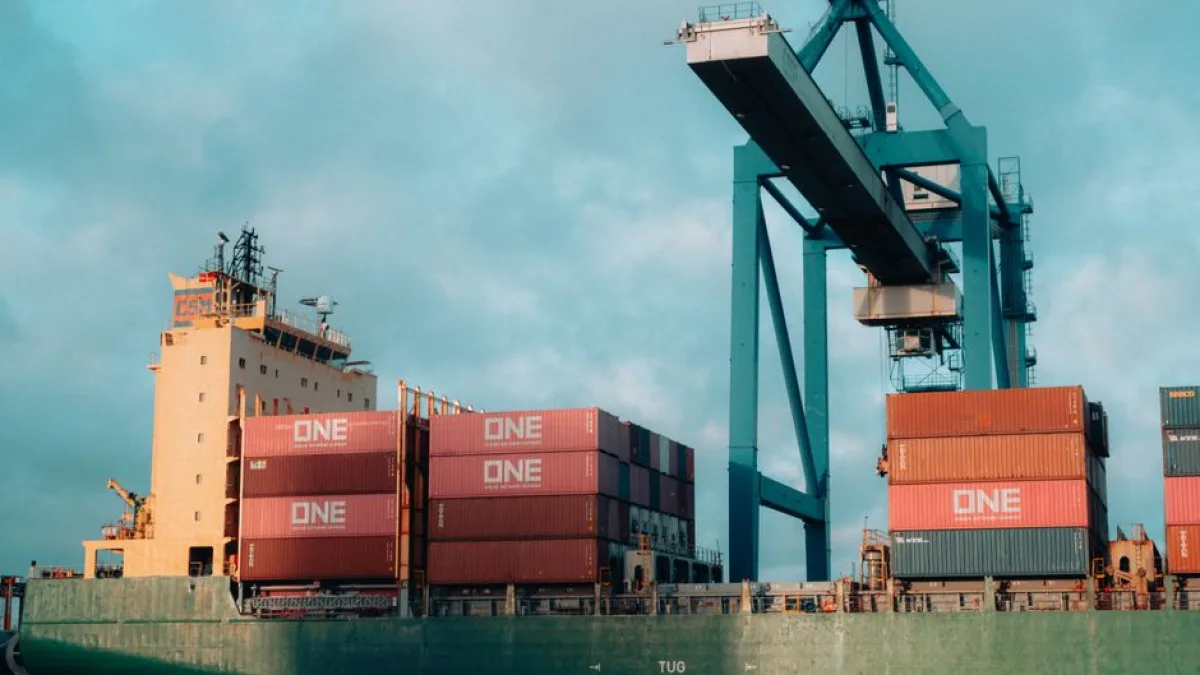
Efficient movement within a warehouse dictates the speed of your entire supply chain. Managing stock levels and container transitions requires precise coordination and real-time tracking to ensure that cargo flows smoothly from the receiving dock to the final loading platform.
- Inventory Accuracy Tools: Advanced software systems provide real-time updates on stock movements, ensuring that warehouse teams can locate goods instantly and reduce the time spent searching for misplaced freight shipments.
- Automated Sorting Processes: Implementing automated sorting systems helps to minimize human error during the classification phase, which significantly increases the volume of cargo processed during each daily shift cycle.
- Dynamic Slotting Strategies: Using data-driven algorithms for storage allocation allows facilities to place high-demand items in accessible areas, cutting down the travel distance for staff during picking operations.
- Integrated Warehouse Management: Centralized digital platforms connect your warehouse data to global shipping networks, allowing for seamless communication between internal logistics teams and external transportation service provider networks.
Transforming warehouse operations relies on the successful integration of smart technology and strategic planning. When your team uses digital tools to monitor physical throughput, they reduce bottlenecks that often delay critical shipments. Investing in these systems now will prepare your facility for future capacity demands while minimizing overhead costs through improved efficiency and clearer visibility into every corner of your daily operational warehouse workflow.
Digital Documentation Automation

Manual paperwork often acts as a major bottleneck in international trade processes. Eliminating these time-consuming tasks through automated document generation and digital verification ensures that customs compliance remains accurate while speeding up the entire clearing process for all parties.
- Automated Bill Creation: Modern platforms generate essential shipping documents like bills of lading and commercial invoices automatically using pre-loaded data, which drastically reduces the risk of human clerical errors.
- Customs Compliance Checking: Intelligent systems scan all paperwork for discrepancies before submission, ensuring that your firm meets international regulatory standards without facing costly delays or heavy government fines.
- Cloud Document Storage: Secure digital archives allow team members to access vital shipment records from anywhere in the world, providing instant transparency for auditors and your valued customers.
- Electronic Signature Integration: Using legally binding electronic signatures speeds up the approval phase for shipping contracts, allowing forwarders to finalize agreements with overseas partners in a few minutes.
Adopting automated documentation workflows allows your staff to transition from repetitive data entry to more strategic roles within your organization. This technological evolution reduces the friction often found in cross-border trade, making it easier to maintain compliance across diverse jurisdictions. As your business grows, these digital solutions provide the scalability required to handle complex documentation needs without increasing your total administrative headcount.
Real-Time Visibility Solutions

Tracking shipments across oceans and continents is no longer a luxury for freight forwarders. Clients now demand instant access to their cargo status, and providing this level of transparency is essential for building long-term trust and maintaining professional service standards.
- Live GPS Tracking: High-frequency data feeds provide precise location coordinates for vessels and trucks, giving your team the power to offer exact arrival estimates to your waiting customers.
- Predictive Delay Alerts: Advanced analytics detect potential disruptions from weather or port strikes early, allowing forwarders to reroute freight before minor issues turn into significant shipment delays.
- Customer Transparency Portals: Giving clients a branded login portal enables them to view their shipment status directly, which reduces the volume of status inquiries handled by support teams.
- Multimodal Visibility Integration: Combining data from air, sea, and land transport into a single dashboard provides a complete picture of a shipment path from origin to destination.
Providing real-time visibility is the key to differentiating your freight forwarding brand in a crowded market. When customers can see exactly where their freight is located at any moment, they gain confidence in your logistics operations. These insights empower forwarders to handle exceptions proactively, ensuring that shipments reach their final destination on schedule despite the many variables inherent in complex global shipping routes.
Scaling Through Cloud Connectivity

Cloud infrastructure provides the foundation for scalable logistics growth by connecting geographically dispersed teams. By centralizing operations into one secure digital environment, firms can foster collaboration and ensure that every branch office works from the same live set of data.
- Seamless Team Collaboration: Cloud platforms allow employees in different time zones to share updates on shipments in real-time, eliminating the need for fragmented email chains and messy communication.
- Remote Access Capabilities: Empowering your workforce with mobile-friendly software tools ensures that essential operations can continue regardless of where staff are working from during the business day.
- Cybersecurity Infrastructure Protection: Moving your operations to a dedicated cloud environment provides enterprise-grade security protocols that protect your sensitive shipment data from threats and accidental server failure incidents.
- Elastic Resource Scaling: Cloud systems automatically adjust to your data volume needs, allowing your software capacity to grow effortlessly as you take on more clients and shipments.
Connecting your global teams via the cloud creates a unified operational culture that drives higher productivity. When everyone has access to the same reliable information, decision-making becomes faster and more accurate across the entire organization. Investing in a robust cloud ecosystem ensures that your freight forwarding business remains agile and prepared for future expansion in an increasingly connected and fast-paced global logistics industry.
Conclusion

The transition toward digital freight forwarding is a vital step for any firm looking to survive and thrive in today's market. By focusing on warehouse efficiency, documentation automation, real-time visibility, and cloud connectivity, you can build a resilient business model that consistently delivers for your clients. Start your digital transformation journey today to ensure that your logistics operations remain agile and highly competitive.