Navigating the Future of Digital Freight Forwarding Efficiency
Tuesday, September 8 2026
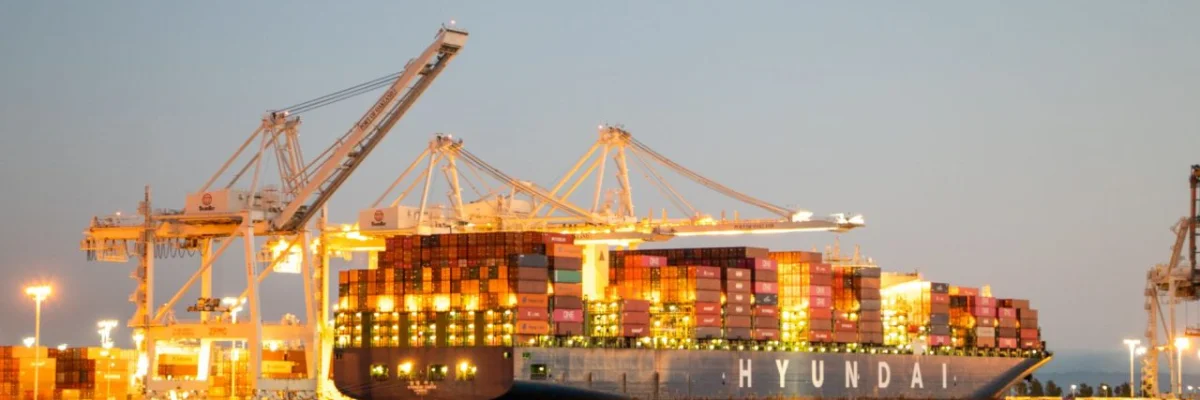
The global logistics landscape is undergoing a rapid transformation as digital integration becomes the standard for competitive freight forwarding businesses. As manual processes face increasing scrutiny due to inefficiencies and data silos, industry leaders are turning to cloud platforms to bridge the gap between supply chain visibility and operational agility. This transition is not merely about adopting new technology but rather about fundamentally reshaping how cargo moves across borders. Professionals must adapt to these shifting market requirements by embracing automation, real-time tracking, and data-driven decision-making tools to ensure long-term sustainability in an increasingly volatile global shipping environment today.
Automating Complex Documentation Workflows

Automated documentation systems are revolutionizing the administrative burden for freight forwarders by reducing human error and speeding up processing times. These platforms allow teams to focus on strategy rather than repetitive data entry tasks, significantly improving overall productivity across the global network.
- Reduced Data Redundancy: Automated systems eliminate the need to input shipment details across multiple platforms by synchronizing information instantly, saving valuable time for operations staff during busy shipping seasons.
- Enhanced Compliance Accuracy: Integrated software solutions cross-reference documentation against the latest international trade regulations to ensure every shipment meets legal standards before it departs the origin port facility.
- Seamless Document Sharing: Digital document management tools allow teams to share sensitive shipping manifests securely with clients and partners, ensuring transparency while maintaining high levels of data privacy standards.
- Faster Invoice Processing: Smart automation features capture billing information directly from shipping documents, leading to quicker invoice generation and improved cash flow management for the forwarder and their partners.
By streamlining document management, companies can eliminate the bottlenecks that traditionally stall international shipments. This evolution enables staff to pivot toward high-value client interactions rather than fixing typos on bills of lading. Embracing these technical shifts is essential for any firm aiming to scale their operations globally while maintaining strict compliance standards and improving the speed of their internal cargo workflow processes significantly.
Real-Time Cargo Visibility Solutions
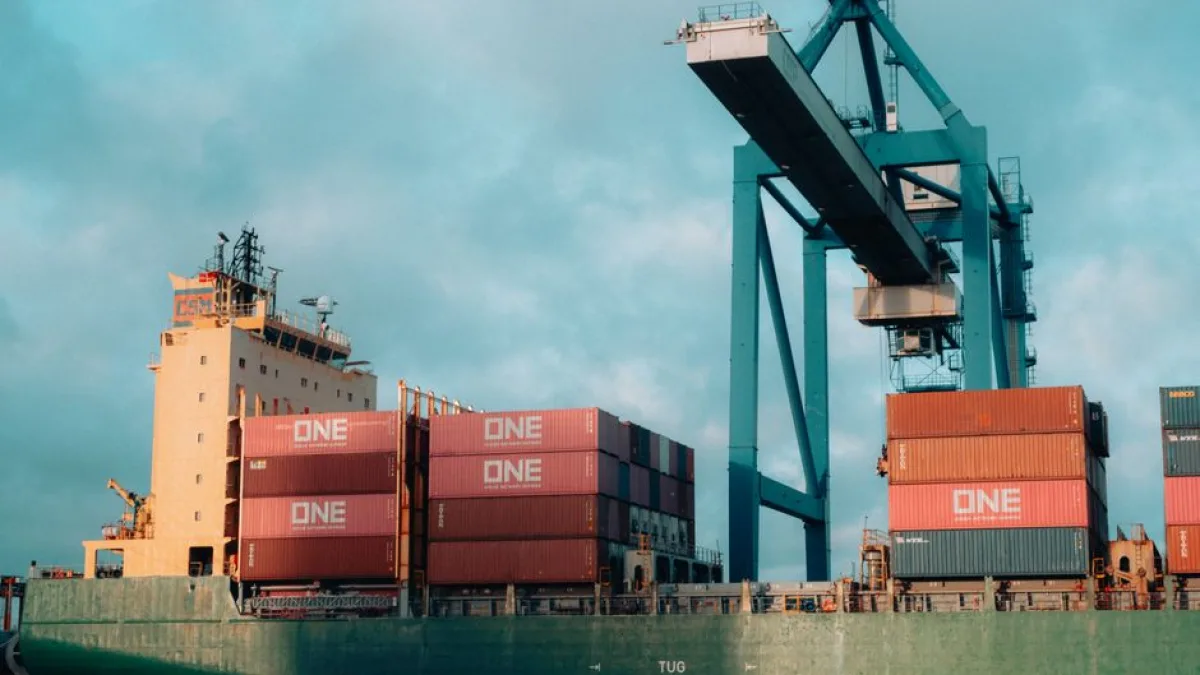
Real-time visibility is the cornerstone of modern logistics, offering stakeholders immediate insights into shipment locations and status. By leveraging cloud technology, forwarders can provide clients with accurate updates that build trust and long-term loyalty in a competitive market.
- Live Tracking Updates: Advanced GPS integration provides constant updates on container movement, allowing forwarders to proactively manage transit expectations and communicate delays before they impact the client supply chain.
- Proactive Exception Management: Digital platforms highlight potential disruptions, such as port congestion or weather events, enabling operational teams to reroute cargo before major delays occur during the journey.
- Client Portal Integration: Providing secure online access to tracking data empowers clients to check their shipment status independently, reducing the need for constant manual email inquiries and updates.
- Improved Carrier Accountability: Visibility tools track the performance of ocean and air carriers, helping forwarders gather historical data to negotiate better rates and choose more reliable transport partners.
Visibility is no longer a luxury but a fundamental expectation for modern shippers. By providing transparency, forwarders differentiate their services and reduce the stress associated with global transit uncertainties. This data-backed approach transforms the relationship between the freight forwarder and the shipper, turning the service provider into a strategic partner who delivers reliable, actionable information throughout the entire shipping process every single time.
Optimizing Global Carrier Partnerships

Building strong carrier partnerships is vital for maintaining steady operations, and software tools now play a major role in managing these complex relationships. Effective collaboration requires shared data platforms that allow forwarders and carriers to communicate efficiently and resolve logistical issues.
- Centralized Carrier Database: Maintaining a digital repository of carrier performance data and service rates allows for faster decision-making when selecting the right shipping options for specific cargo requirements.
- Streamlined Communication Hubs: Cloud platforms provide a unified space for forwarders to exchange information with carriers, which minimizes the reliance on scattered emails and prevents critical details from loss.
- Collaborative Dispute Resolution: Digital audit trails make it easy to resolve billing discrepancies and service disputes by providing clear evidence of agreed terms and past shipment performance metrics.
- Dynamic Rate Negotiation: Using analytics from current market trends and historical performance, forwarders can approach carriers with data-driven arguments to secure more favorable rates and dedicated capacity.
Stronger carrier partnerships lead to more resilient supply chains that can withstand market fluctuations. When forwarders and carriers utilize shared digital tools, the friction of daily communication disappears, leading to smoother handoffs and increased reliability. By optimizing these connections through cloud-based management, firms ensure they always have access to the capacity needed to meet their client delivery deadlines in any economic climate.
Harnessing Data for Strategic Growth

Advanced analytics are enabling freight forwarders to turn raw shipment data into powerful strategic insights. This shift allows businesses to identify profitable routes, optimize resource allocation, and plan future growth based on empirical evidence rather than traditional industry intuition.
- Profitability Analysis Tools: Detailed reports break down costs per shipment, helping forwarders identify low-margin lanes and adjust their pricing strategies to maximize overall profitability across their international service offerings.
- Forecasting Market Demand: Predictive analytics help firms anticipate seasonal shifts in volume, allowing them to prepare their teams and capacity requirements well before the market peaks arrive annually.
- Operational Bottleneck Detection: Analyzing internal process data reveals specific areas where delays frequently occur, allowing management to refine standard operating procedures and boost efficiency across the entire company.
- Customized Performance Reports: Generating tailored reports for clients showcases the value provided by the forwarder, reinforcing the professional relationship and highlighting the efficiency gains achieved through better logistics.
Turning data into strategy is the final frontier for digital-first freight forwarders. Those who utilize these insights gain a massive advantage over competitors still relying on guesswork. By analyzing every shipment, forwarder teams can fine-tune their internal systems to reach new levels of performance. This commitment to data-driven growth ensures the business remains flexible, profitable, and ready for future global challenges ahead.
Conclusion

The future of freight forwarding lies in the seamless integration of technology and professional expertise. By adopting cloud-based platforms, forwarders gain the tools necessary to automate tasks, provide visibility, manage partnerships, and harness data for strategic growth. Staying ahead of these trends is the key to maintaining relevance. Start modernizing your operations today with MakeCargo to build a more resilient and profitable logistics future.