Navigating the Future of Digital Freight Forwarding Efficiency
Tuesday, September 8 2026

The global logistics landscape is undergoing a profound transformation driven by rapid technological integration and shifting trade dynamics. As freight forwarders grapple with increasing volatility and rising customer expectations, the adoption of cloud-based platforms has moved from a competitive advantage to an absolute necessity. Modern logistics professionals must now pivot toward data-driven strategies to maintain operational agility in a complex marketplace. This article explores the core pillars of digital modernization, offering actionable insights for firms aiming to scale effectively, reduce manual overhead, and deliver superior service transparency in an increasingly interconnected and fast-paced global supply chain environment.
Automating Complex Operational Workflows

Automation remains the cornerstone of modern logistics, allowing forwarders to shift focus from repetitive manual entry to high-value strategic decision making. By leveraging cloud systems, teams can eliminate bottlenecks that traditionally slow down booking confirmation and documentation processing cycles effectively.
- Reducing Data Errors: Implementing automated validation tools ensures that shipment details are captured correctly from the start. This prevents costly delays and disputes with carriers during the final billing process.
- Accelerating Document Flow: Digital platforms streamline the creation of bills of lading and commercial invoices. You can generate essential shipping documents in seconds rather than lengthy hours.
- Enhanced Load Planning: Intelligent algorithms calculate optimal load distributions across containers to maximize space utilization. This reduces overall shipping costs while increasing the volume of throughput handled.
- Automated Status Updates: Customers demand real-time visibility into their shipments at every milestone. Automation triggers instant notifications for stakeholders, keeping them informed without requiring constant manual check-ins.
By shifting to automated systems, your team gains the ability to scale without increasing headcount proportionally. This shift is not just about saving time, but about building a resilient foundation for your business. Modern technology enables forwarders to handle spikes in seasonal demand with ease. Embracing these advanced digital tools empowers your staff to focus on solving complex logistical challenges that truly drive business growth.
Enhancing Real-Time Cargo Visibility
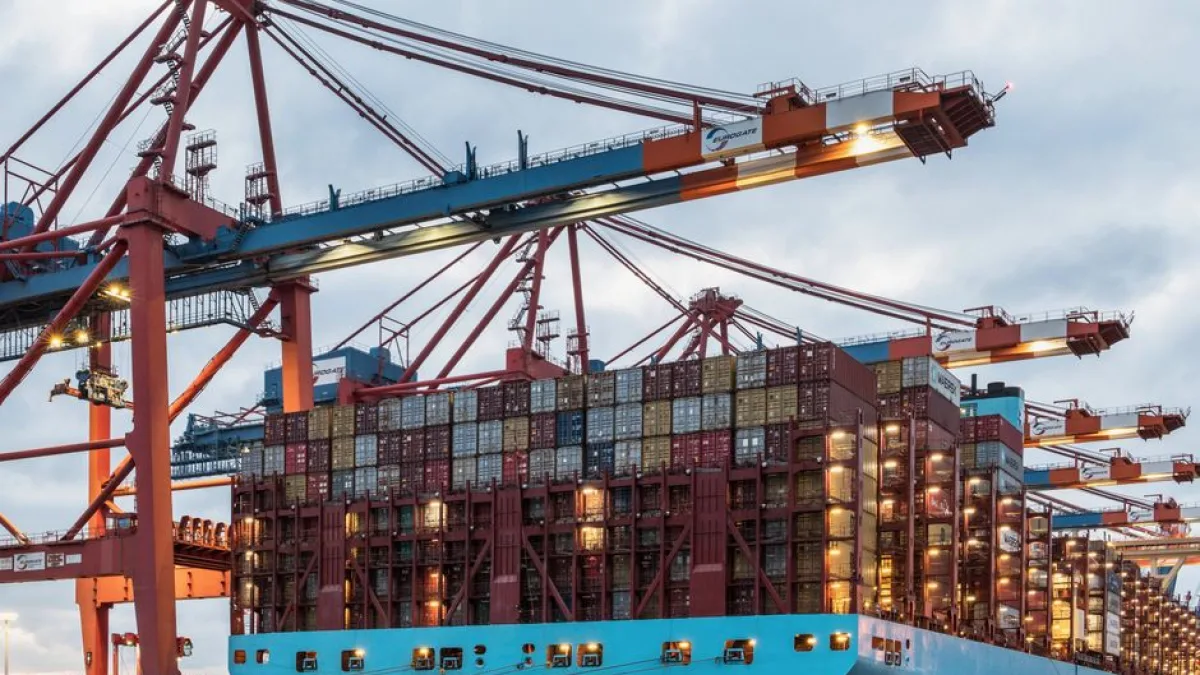
Visibility is no longer a luxury but a fundamental requirement for modern supply chain management. Clients expect precise, real-time insights into the location and condition of their cargo. Advanced tracking tools provide this clarity by integrating direct carrier data feeds.
- Live Tracking Integration: Connecting your platform directly to carrier APIs ensures that tracking data is updated constantly. This eliminates the uncertainty associated with manual tracking and outdated status reports.
- Exception Management Alerts: Proactive notifications alert your team immediately when a shipment deviates from its planned route. This allows for rapid intervention before small delays become major operational issues.
- Customer Portals Access: Providing clients with a self-service dashboard improves trust and transparency. Users appreciate having the power to view their shipment journey and documentation on demand.
- Predictive Arrival Estimates: Sophisticated machine learning models analyze traffic and port conditions to offer accurate arrival times. Providing precise windows helps clients plan their inventory and distribution cycles.
Investing in superior visibility platforms transforms the client experience from reactive to proactive. When you provide reliable tracking, you build long-term relationships founded on transparency and dependability. This level of service differentiates your brand in a crowded market. By prioritizing data clarity, forwarders can minimize the negative impact of external disruptions and provide a stable service experience that keeps clients coming back.
Optimising Global Carrier Relationships
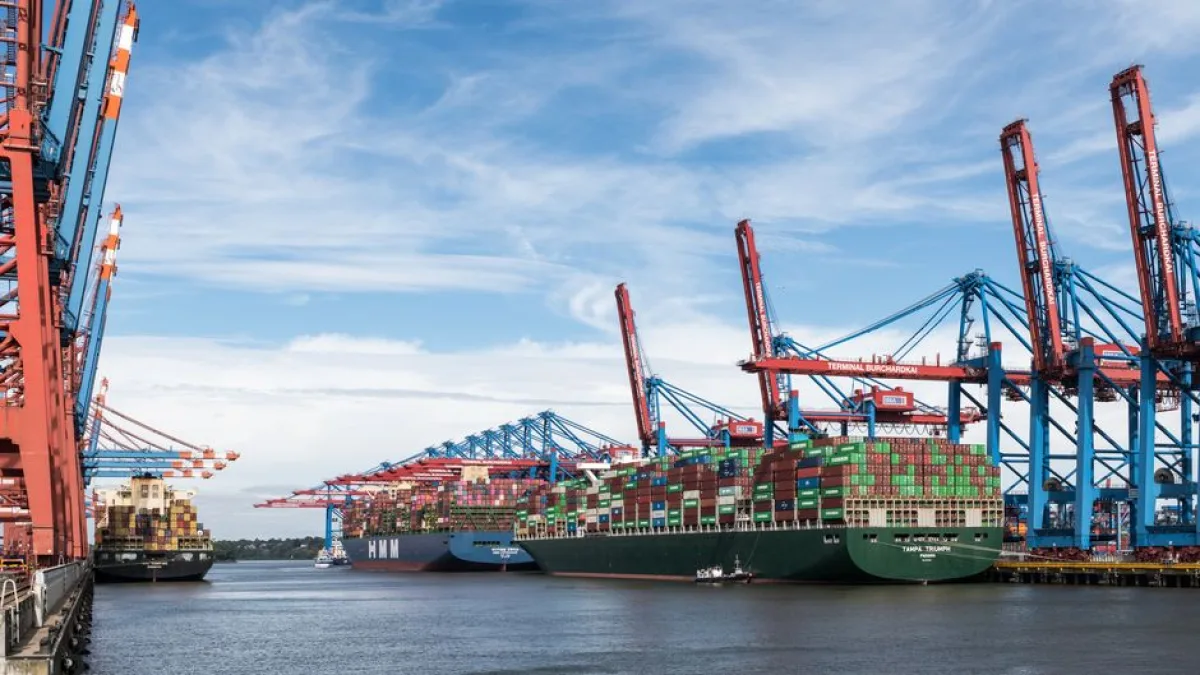
Managing multiple carrier relationships is complex, yet essential for securing competitive rates and reliable space. Digital platforms simplify this by centralizing carrier performance data and contract management, allowing for better negotiation leverage when dealing with shipping lines and air freight providers.
- Centralized Contract Data: Storing all carrier agreements in a cloud environment allows for quick reference and comparison. You can identify the best rates instantly for every new booking.
- Performance Benchmarking Tools: Tracking carrier reliability metrics over time helps you select partners who consistently meet expectations. Data-backed reviews ensure you only work with the best providers.
- Streamlined Rate Requests: Digital platforms allow you to request and receive quotes from multiple carriers simultaneously. This simplifies the process of finding the most cost effective routing options.
- Automated Audit Processes: Reviewing invoices against contracted rates happens automatically through integrated software. This catches overcharges and ensures that your margins remain protected on every single shipment.
Effective carrier management is the backbone of a profitable freight business. By utilizing software to manage these intricate relationships, you minimize financial leakage and improve service quality. Strong partnerships are built on clear data and consistent communication. When you leverage technology to manage your logistics network, you position your firm as a sophisticated partner capable of navigating even the most difficult global shipping environments.
Building Scalable Digital Infrastructure

Scaling your freight business requires a flexible infrastructure that grows alongside your volume. Cloud-based platforms offer the necessary modularity to add new services, integrate with partners, and expand into new markets without needing a total overhaul of your existing internal systems.
- Seamless API Integration: Connecting your platform with accounting software or customs systems saves time on data migration. This interconnected ecosystem allows information to flow freely between departments.
- Cloud-Based Data Security: Protecting sensitive client information is a top priority in a digital-first world. Robust security features ensure that your data remains safe from external cyber threats.
- Unified Team Collaboration: Remote access allows your workforce to collaborate effectively from any location globally. Consistency in information ensures that every team member has access to data.
- Flexible Subscription Models: Paying for software that scales with your needs prevents unnecessary capital expenditure. You can adjust your usage levels based on current business demands and growth.
Infrastructure is the foundation upon which future success is built. By selecting scalable tools, you ensure that your firm is prepared for the rapid changes typical of the logistics sector. Investing in flexible systems allows you to remain competitive while pursuing new opportunities for geographic expansion. Ultimately, the right infrastructure supports your long term vision and ensures that your daily operations remain stable.
Conclusion
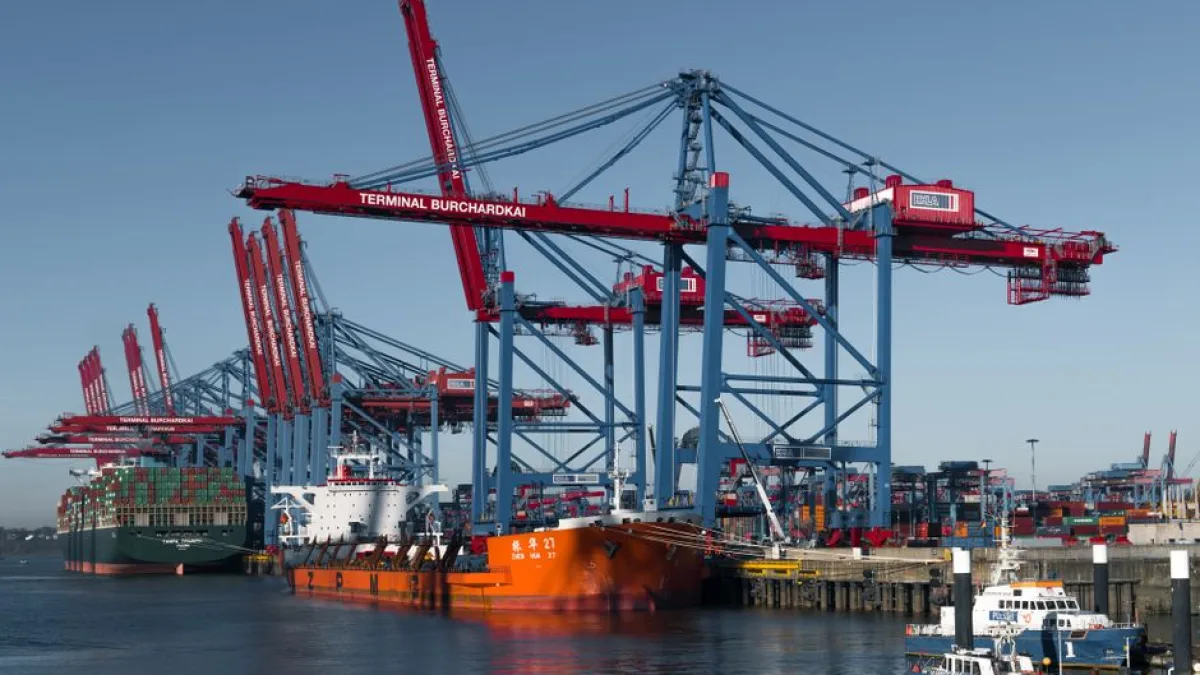
Successful freight forwarding in the modern era relies on a strategic commitment to digital transformation. By automating workflows, increasing shipment visibility, managing carrier relationships, and building scalable infrastructure, firms can achieve greater efficiency and client loyalty. Now is the ideal time to evaluate your internal processes and adopt the necessary cloud tools. Start your journey toward optimized logistics by choosing the right software partner.