Navigating the Future of Digital Freight Forwarding
Sunday, September 13 2026

The global logistics landscape is undergoing a profound transformation as technology reshapes how goods move across international borders. Freight forwarders are increasingly tasked with managing complex supply chains while maintaining transparency and speed in an unpredictable market. For modern professionals, the transition from manual, legacy systems to cloud-based platforms is no longer just a competitive advantage but a fundamental requirement for operational resilience. As we look ahead, the industry must embrace digital agility to solve persistent visibility challenges, mitigate rising costs, and meet the growing expectations of global shippers who demand real-time data integration at every single stage of transit.
Modernizing Logistics Infrastructure
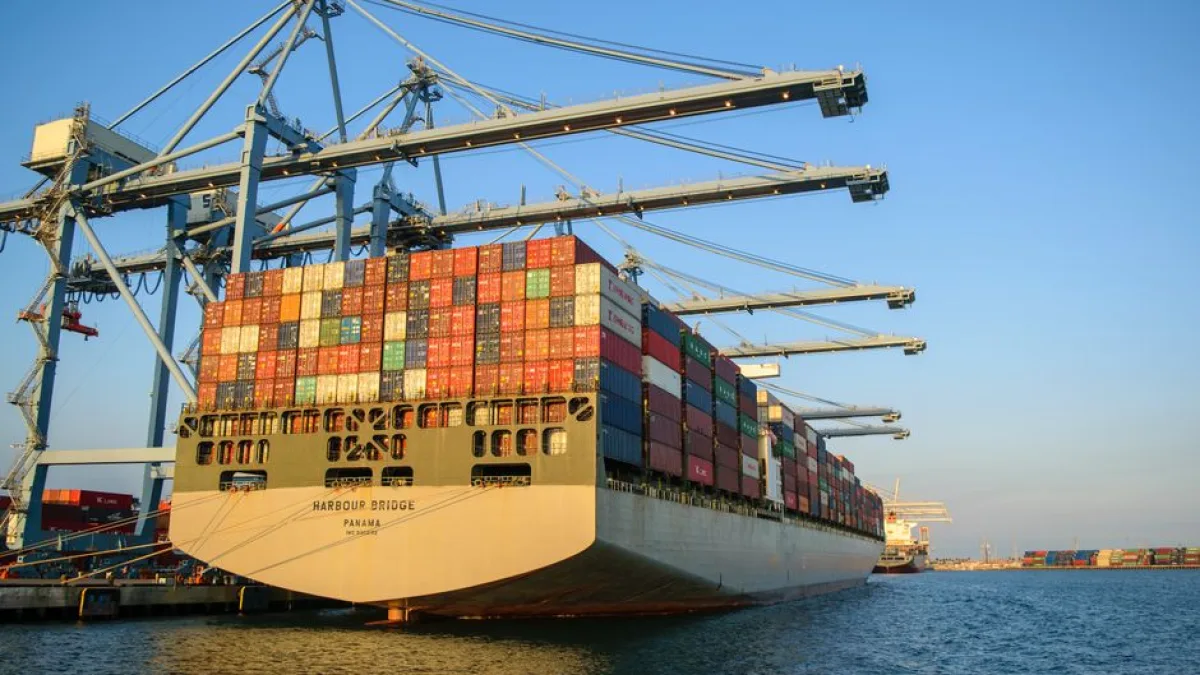
Port operations represent the heartbeat of global trade where physical cargo meets digital documentation. Upgrading infrastructure allows forwarders to bridge the gap between heavy manual processing and the lean, automated requirements of current supply chains in highly competitive global market environments.
- Automated Workflow Management: Advanced software platforms allow teams to automate repetitive tasks like data entry and document verification which reduces human error and significantly boosts overall team productivity levels.
- Cloud System Integration: Adopting cloud-based solutions ensures that your operational data remains accessible from anywhere in the world while providing a secure foundation for scaling your business operations.
- Real-time Tracking Updates: Digital systems provide stakeholders with granular visibility into shipment locations, allowing forwarders to proactively address potential delays before they escalate into major customer service issues.
- Seamless Partner Collaboration: Integrated platforms enable forwarders to communicate instantly with carriers, warehouses, and customs brokers, ensuring that all parties remain aligned on critical shipment requirements and deadlines.
Transforming your infrastructure requires a strategic mindset focused on long-term efficiency rather than short-term fixes. By centralizing operations within a robust digital ecosystem, freight forwarders can eliminate data silos and improve communication across departments. This holistic approach empowers teams to focus on high-value client strategy while the software handles the heavy lifting of operational oversight, creating a scalable roadmap for sustained international growth.
Harnessing Data for Decisions

Data is the most valuable asset in modern logistics, provided it is analyzed correctly and translated into actionable insights. Forwarders who prioritize data integrity are better equipped to forecast market trends and manage capacity constraints during periods of high demand.
- Predictive Analytics Capability: Utilizing historical shipment data allows companies to forecast demand patterns, enabling more accurate capacity planning and effective resource allocation during the busiest peak shipping seasons.
- Performance Metric Monitoring: Tracking specific KPIs like transit times and cost-per-shipment helps managers identify bottlenecks in their supply chain processes and implement necessary corrective actions for performance.
- Customer Behavior Insights: Understanding how clients interact with your services provides the intelligence needed to refine your offerings and build deeper, more profitable relationships with key accounts.
- Financial Reporting Accuracy: Automated reporting tools provide clear visibility into margins and overhead costs, empowering leadership to make informed decisions regarding pricing strategies and operational investments.
Effective data utilization turns raw information into a powerful engine for strategic growth and sustainable profitability. When every decision is backed by accurate data, forwarders can navigate market volatility with confidence and precision. By investing in the right analytical tools today, your business builds the capability to outperform competitors while delivering superior value to clients who rely on your expertise for results.
Cybersecurity in Global Trade

As supply chains become more digitized, the risk of cyber threats increases, making robust security measures a top priority. Protecting sensitive cargo documentation and client information is essential for maintaining the trust and operational integrity of your forwarding firm.
- Advanced Data Encryption: Implementing high-level encryption protocols ensures that all sensitive shipment information and client communications remain protected from unauthorized access during transmission or while stored online.
- Multi-Factor Authentication: Enforcing secondary verification steps for all system logins provides an essential layer of protection against unauthorized access attempts from external bad actors or intruders.
- Secure Cloud Storage: Utilizing reputable cloud providers offers built-in disaster recovery features, ensuring your business data stays backed up and protected even during unexpected hardware or software failures.
- Regular Security Audits: Conducting frequent assessments of your software environment helps identify potential vulnerabilities before they can be exploited, keeping your infrastructure safe against evolving digital security threats.
Security is the foundation upon which modern freight forwarding reputations are built and maintained. Investing in advanced cybersecurity practices demonstrates a commitment to client safety that fosters long-term loyalty and reduces business liability. By keeping your digital house in order, you protect not only your own data but the entire integrity of the international supply chain networks you help manage every day.
Building Customer-Centric Operations

The client experience has become a primary differentiator in an industry where price and speed often converge. Modern forwarders are winning by offering transparent, personalized service backed by the intuitive digital tools that today's shippers expect as standard practice.
- Transparent Client Portals: Providing self-service access to shipment documents and status updates empowers clients to find information independently, which builds trust and reduces the burden on staff.
- Customized Reporting Tools: Offering tailored dashboards allows your high-value clients to view the specific metrics that matter most to their business, proving your worth as a strategic partner.
- Streamlined Communication Channels: Using centralized messaging tools keeps all interactions in one place, ensuring that client requests are handled promptly without lost emails or fragmented information trails.
- Feedback Loop Implementation: Actively soliciting client input through digital surveys helps your team identify areas for service improvement while showing your customers that their satisfaction remains the priority.
Customer-centricity is about leveraging technology to deliver a superior, friction-free experience from start to finish. When you make it easier for clients to work with your firm, you secure their future business and encourage referrals. By focusing on the user experience, freight forwarders differentiate themselves in a crowded market, transforming basic shipping transactions into high-value relationships that drive long-term business success.
Conclusion

Adapting to the digital age requires a combination of technology, strategy, and people-first processes. Freight forwarders who embrace these changes will remain essential partners in the global supply chain, while those who resist risk falling behind. Start your journey toward modernization today by evaluating your current software capabilities and identifying where efficiency gains can be made to support your long-term vision for international growth.