Navigating the Future of Digital Freight Forwarding Efficiency
Monday, September 14 2026
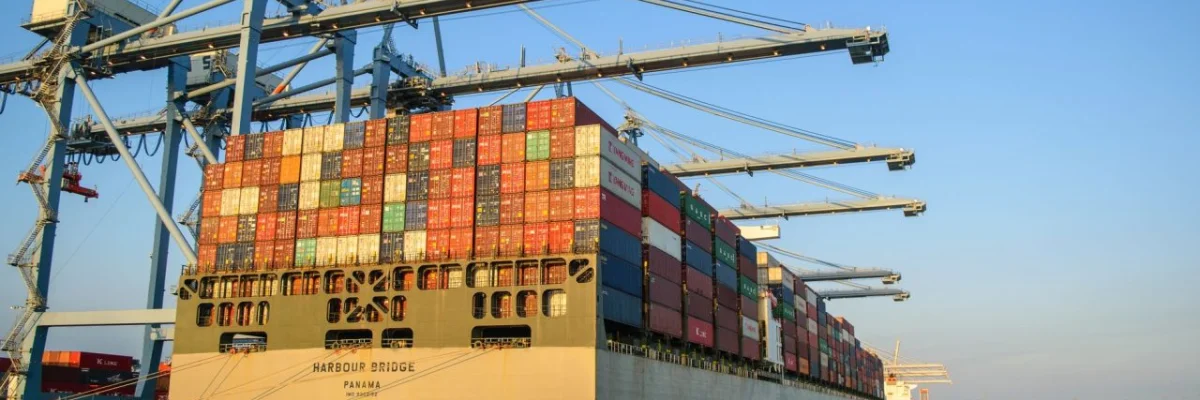
The global logistics landscape is undergoing a massive transformation driven by the rapid adoption of cloud-based freight forwarding technology. Professionals today face increasing pressure to balance volatile market demands with the necessity for lean operations. As connectivity becomes the backbone of modern supply chains, forwarders who leverage data-driven insights are gaining a distinct competitive advantage over those clinging to manual processes. Staying updated with these technological trends is no longer optional for firms aiming to scale efficiently. This article explores essential strategies for modernizing your operations to ensure long-term stability and success in an increasingly complex and interconnected global shipping environment.
Optimizing Warehouse Logistics Flow

Streamlining warehouse operations remains a top priority for forwarders aiming to reduce overhead costs and improve throughput. Modern management tools allow teams to track inventory movements with high precision, ensuring that bottlenecks are identified before they impact the broader supply chain network.
- Automated inventory tracking: Implementing real-time scanning systems eliminates manual entry errors and provides immediate visibility into stock levels, which significantly improves order accuracy and overall warehouse productivity for your team.
- Layout design efficiency: Strategic planning of storage zones reduces travel time for workers, allowing for faster order picking and packing processes while maintaining optimal safety standards across the facility.
- Predictive analytics integration: Utilizing data to forecast seasonal demand spikes allows forwarders to adjust staffing levels and storage space requirements, ensuring operational readiness during peak shipping periods throughout the year.
- Integrated communication platforms: Connecting warehouse staff with office personnel via centralized digital hubs reduces communication delays and keeps all stakeholders aligned on urgent shipments and specific client requirements.
By shifting focus toward highly automated workflows, freight forwarders can transform their storage facilities into agile nodes of distribution. Embracing these technological enhancements reduces human error, accelerates the speed of cargo processing, and provides a clear audit trail for every shipment. Your business will benefit from enhanced transparency, helping your team deliver consistent results while managing complex logistics requirements in a very competitive global market.
Enhancing Global Supply Chain Transparency

Visibility is the new currency in international freight forwarding, as clients demand real-time data regarding their cargo status. Modern digital platforms provide the tracking capabilities necessary to keep customers informed from the point of origin to the final delivery destination.
- Real-time cargo tracking: Providing customers with live updates on shipment locations builds immense trust and reduces the volume of repetitive status inquiries directed at your support team daily.
- End-to-end data integration: Connecting your system with carrier APIs ensures that milestones are updated automatically, preventing information gaps that often lead to delays in customs processing or handling.
- Advanced exception management: Proactive identification of potential transit disruptions allows your team to communicate effectively with clients and find alternative routing solutions before problems escalate into major incidents.
- Customer portal accessibility: Empowering your clients with secure, self-service portals provides them with 24/7 access to tracking documentation and shipment history, which improves their overall satisfaction and loyalty.
Total visibility acts as a safeguard against the uncertainty that frequently plagues international transit routes. When your clients can see exactly where their goods are moving at any moment, your firm becomes a partner they can truly rely on. This level of transparency is essential for maintaining strong client relationships and winning repeat business in an industry where communication speed and reliability matter most.
Automating Complex Customs Documentation

Customs clearance continues to be a major hurdle for many forwarders, often resulting in significant delays and unexpected financial penalties. Digital solutions now automate the validation of import and export documents, ensuring compliance with international trade regulations and speedier processing.
- Automated compliance checks: Intelligent software automatically verifies documentation against current trade databases, significantly reducing the risk of clerical errors that lead to customs holds and potential legal complications.
- Digital signature workflows: Eliminating physical paperwork by utilizing secure electronic signatures accelerates the approval process, allowing documentation to reach authorities significantly faster than traditional courier or mail methods.
- Cloud based document storage: Keeping all relevant shipping records in a centralized, secure cloud environment ensures that your team can retrieve critical information instantly during audits or inspections.
- Multi-language support systems: Utilizing translation-ready platforms helps your team communicate and process documents accurately when dealing with international customs authorities, reducing friction during the import and export cycle.
Mastering the complexities of customs requires a focus on accuracy and speed that only digital automation can provide. By reducing the time spent on manual form filing, your staff can dedicate their efforts toward more strategic client management tasks. This transition not only mitigates the risk of costly delays but also solidifies your reputation as a forwarder that handles international compliance with effortless precision.
Leveraging Predictive Freight Analytics

Data is the most powerful asset for any modern freight forwarding company looking to anticipate market shifts. Advanced analytics tools help identify patterns in shipping routes, pricing, and carrier performance, allowing forwarders to make informed business decisions that maximize their overall profitability.
- Dynamic pricing models: Analyzing historical market data helps your team set competitive pricing strategies that attract new clients while maintaining healthy margins throughout the year in changing markets.
- Performance benchmarking tools: Evaluating carrier performance based on transit time and reliability data allows you to choose the best partners for specific routes, ensuring consistent quality of service.
- Risk assessment strategies: Utilizing predictive modeling tools helps identify high-risk routes prone to congestion or weather disruptions, enabling your team to implement contingency plans ahead of any incidents.
- Operational efficiency reporting: Generating regular reports on team performance and process bottlenecks provides management with actionable insights needed to refine internal workflows and improve resource allocation strategies.
Using data to drive decision making turns traditional freight forwarding into a science rather than a game of chance. When you understand the underlying trends affecting your routes and pricing, you are positioned to navigate market volatility with confidence. This analytical approach empowers your firm to optimize every shipment, ensuring that your operational strategies are always aligned with current industry conditions and client needs.
Conclusion
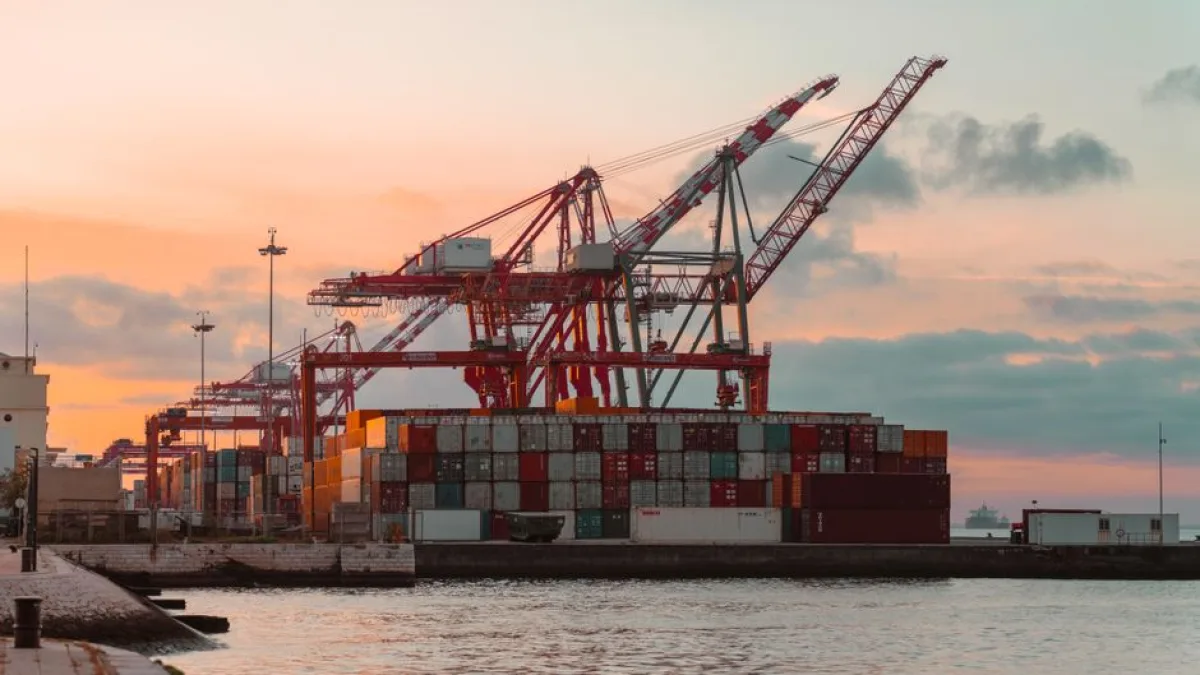
Modernizing your freight forwarding business through cloud technology is the most effective way to secure a sustainable future. By focusing on automation, data visibility, and predictive analytics, you can navigate the complexities of international trade with ease. These improvements will enhance your operational efficiency and client satisfaction. Embrace these digital tools today to stay ahead of the competition and achieve long-term growth in the global market.