Navigating the Future of Digital Freight Forwarding
Monday, September 14 2026
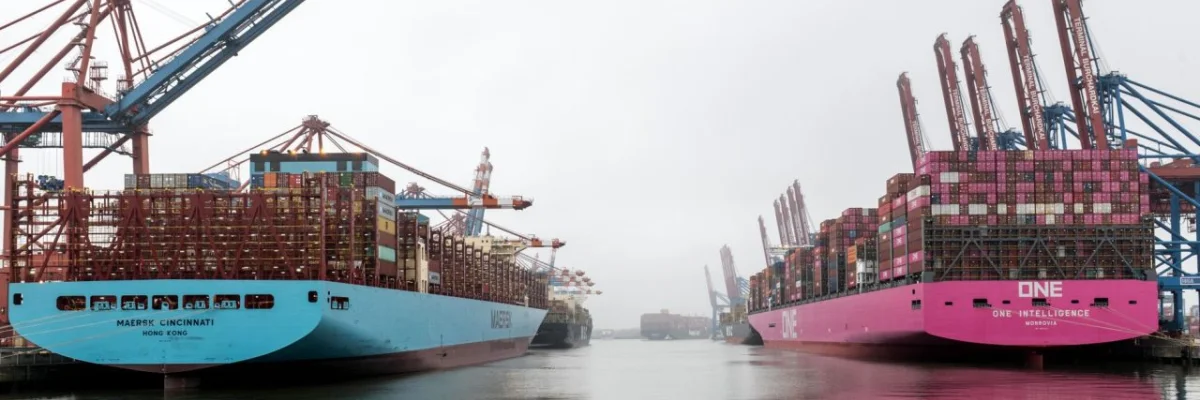
The global logistics landscape is undergoing a profound transformation as technology reshapes how goods move across international borders. Freight forwarders are currently facing pressure to abandon manual legacy processes in favor of cloud-based platforms that offer visibility and speed. As market demands shift toward real-time tracking and automated documentation, the necessity for robust digital infrastructure becomes clear. This evolution is not merely an optional upgrade but a strategic requirement for staying competitive in a volatile global economy. By embracing modern digital tools, forwarders can unlock significant operational efficiencies, reduce costly human errors, and provide superior value to their clients.
Modernizing Logistics Operations

Advanced software platforms act as the central nervous system for modern forwarding firms, consolidating complex data points into intuitive user interfaces. These systems streamline daily workflows and ensure that every team member has access to the most accurate shipping information available.
- Automated Data Entry: Cloud tools eliminate repetitive manual input tasks by pulling data directly from shipping documents to ensure high precision while saving countless hours of administrative labor per week.
- Centralized Documentation Storage: Storing all shipment records within a secure digital repository allows teams to access critical paperwork from anywhere at any time without searching through overflowing filing cabinets.
- Real Time Tracking: Integrating live location data provides clients with instant updates on cargo status, which significantly enhances transparency and helps manage expectations throughout the entire supply chain journey.
- Seamless Partner Collaboration: Integrated platforms allow carriers and agents to communicate through a single channel to reduce misunderstandings and accelerate the resolution of common logistical issues during transit.
Adopting these sophisticated digital solutions allows your logistics company to transition away from fragmented spreadsheets and disjointed communication channels. By centralizing your operations, you empower your staff to focus on high-value tasks rather than routine paperwork. This proactive approach to technology ensures that your team remains responsive to client needs even when global shipping conditions become unpredictable, ultimately setting a new standard for service.
Enhancing Customer Transparency

Providing clients with deep visibility into their supply chain is now a baseline expectation rather than a premium feature. Modern freight forwarders utilize client portals to share progress reports and milestone alerts directly with their stakeholders for improved trust.
- Interactive Client Portals: Giving customers direct login access to their own shipments allows them to monitor progress independently, reducing the volume of status inquiries handled by your customer service team.
- Automated Status Alerts: Proactive email or mobile notifications keep clients informed about critical milestones automatically, which prevents anxiety and keeps shipping partners aligned on every stage of delivery.
- Digital Document Sharing: Providing instant access to bills of lading and commercial invoices ensures that your customers can clear customs faster without waiting for physical mail delivery.
- Integrated Reporting Tools: Custom dashboards offer clients insightful analytics regarding their shipping history, helping them identify patterns that can lead to better long-term logistics planning and cost reductions.
Transparent communication builds long-term partnerships that survive market fluctuations and price volatility. When clients can track their freight in real time and access necessary documentation independently, they view their forwarding partner as a highly reliable asset. This level of service differentiates your business in a crowded market by prioritizing the user experience and fostering deep trust through consistent and accurate digital delivery.
Managing Supply Chain Risks
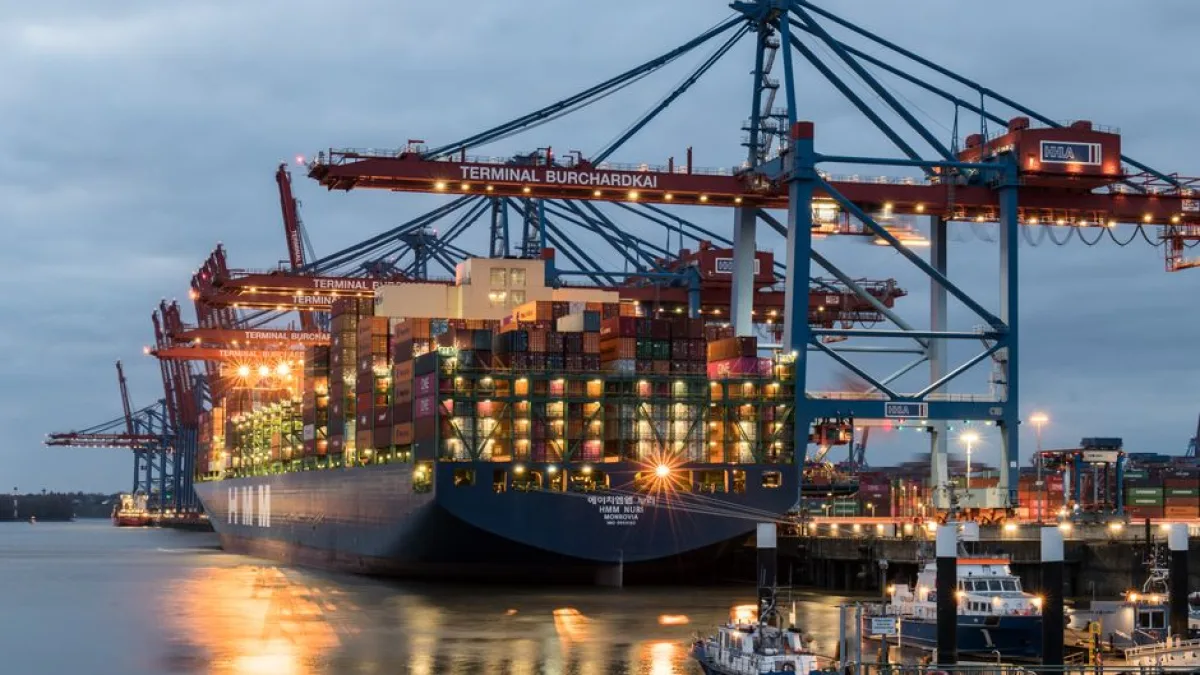
The ability to anticipate and react to disruptions is the hallmark of a resilient forwarding business. Cloud software provides the analytical power needed to identify potential bottlenecks before they escalate into major operational delays that impact your final delivery timelines.
- Predictive Analytics Capability: Utilizing historical data helps your team forecast potential delays caused by seasonal weather patterns or port congestion, allowing for earlier routing adjustments for your freight.
- Proactive Incident Management: Advanced notification systems alert your logistics team the moment an unexpected event occurs, enabling them to troubleshoot and find alternative solutions before the client notices.
- Compliance Monitoring Tools: Automated checks within your software ensure that all cargo documentation meets current international regulatory standards to prevent customs holds and significant financial penalties for violations.
- Supply Chain Mapping: Visualizing the entire route from origin to destination helps identify vulnerable points in the network, encouraging the development of more robust contingency plans for stakeholders.
Resilience is built upon the foundation of accurate data and rapid response times when complications arise. By leveraging cloud platforms, you move from a reactive posture to a predictive one, ensuring that your clients experience minimal disruption. This high level of foresight turns logistics challenges into manageable tasks, protecting your company reputation and maintaining the steady flow of goods across the globe effectively.
Scaling Your Forwarding Business

Growth requires a scalable infrastructure that can handle increased cargo volumes without compromising on the quality of service. Investing in flexible software ensures that your internal capacity grows alongside your client base for sustained long-term business success.
- Cloud Based Flexibility: Digital platforms allow you to add new users or regional offices instantly, making it easier to expand your physical footprint without the burden of hardware.
- Standardized Operational Processes: Creating consistent workflows within your software ensures that every office follows the same high quality service standards, which makes training new employees significantly faster.
- Data Driven Decision Making: Reviewing aggregated performance metrics allows owners to identify which trade lanes are most profitable and where internal resources should be allocated for maximum growth.
- Effortless System Integrations: Connecting your core software with accounting or warehouse systems creates a unified ecosystem that supports business expansion and eliminates the need for expensive manual intervention.
As your forwarding business continues to expand, maintaining operational consistency is essential for protecting your bottom line. Digital tools provide the structure needed to scale without adding unnecessary complexity to your daily tasks. By standardizing processes and utilizing powerful data insights, you create a sturdy platform that supports sustainable growth while allowing your team to maintain excellent service standards for every single client.
Conclusion

Future success in the freight forwarding industry requires a commitment to digital transformation and continuous process improvement. By adopting cloud-based platforms, your business will gain the visibility, efficiency, and scalability needed to thrive in a competitive market. Start your transition today by evaluating your current software needs and choosing tools that empower your team to provide exceptional service and reliable results for every client.