Navigating the Future of Digital Freight Forwarding Efficiency
Tuesday, September 15 2026

The global logistics landscape is undergoing a massive transformation driven by rapid technological adoption and changing trade demands. Freight forwarders are currently facing intense pressure to modernize operations while maintaining profitability amidst fluctuating market conditions and complex regulatory environments. By leveraging cloud based platforms, companies can gain visibility into supply chains that were previously siloed and inefficient. As we look toward the future, the integration of intelligent software solutions will define the success of modern shipping enterprises. This article explores how industry leaders are successfully adapting their workflows to stay competitive in an increasingly digital and volatile shipping environment.
Modernizing Operational Workflows
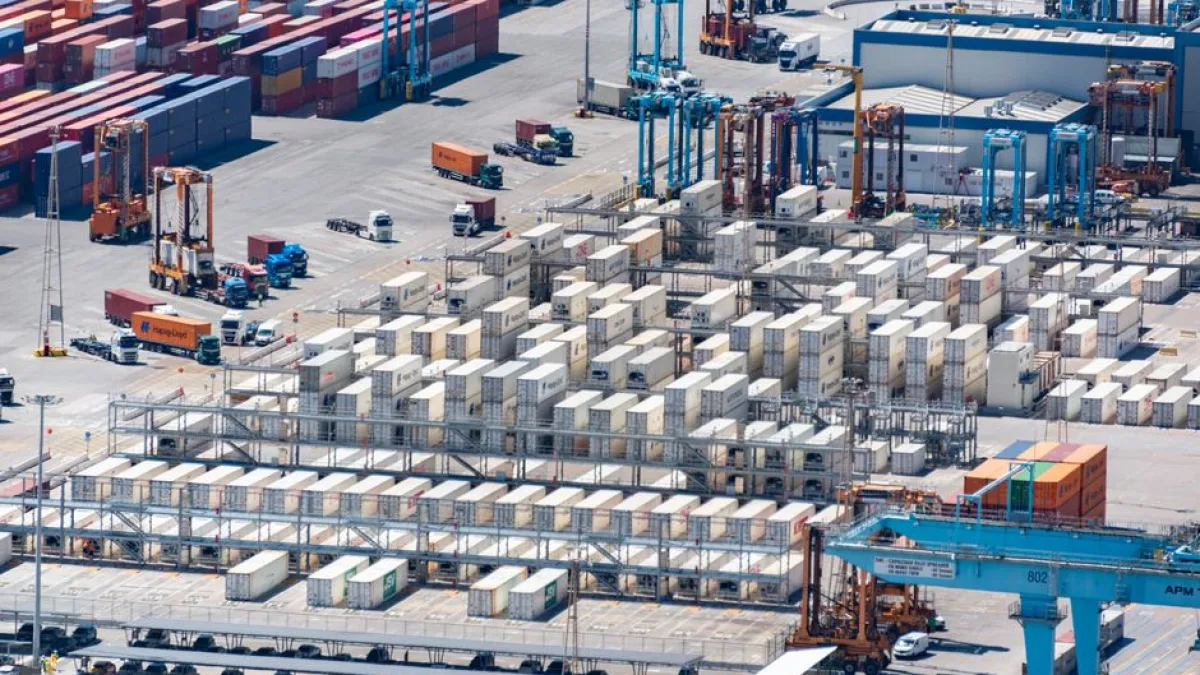
Automation in freight forwarding is no longer a luxury but a fundamental requirement for staying ahead. By streamlining manual documentation processes and integrating digital tracking tools, forwarders can significantly reduce error rates and improve overall speed for their global customers.
- Automated Documentation Processing: Eliminate manual data entry tasks that consume precious staff hours by implementing intelligent software systems that verify and organize shipment paperwork automatically for every single logistics transaction.
- Real Time Shipment Visibility: Provide clients with immediate access to tracking information by utilizing cloud platforms that pull live data directly from carriers to ensure total shipment transparency.
- Streamlined Billing Cycles: Reduce payment delays by generating accurate invoices through integrated digital systems that automatically calculate freight costs based on current market rates and service agreements.
- Centralized Communication Hubs: Consolidate client emails and carrier updates into one unified platform to prevent critical information from being lost in fragmented message threads across multiple departments.
Optimizing daily workflows through software allows teams to focus on strategic growth rather than repetitive administrative chores. When data flows seamlessly between departments, human errors decrease while client satisfaction levels consistently rise. Embracing these digital tools is the primary way forwarders can scale their operations without needing proportional increases in headcount, ultimately leading to higher margins and a much stronger competitive position worldwide.
Enhancing Supply Chain Visibility
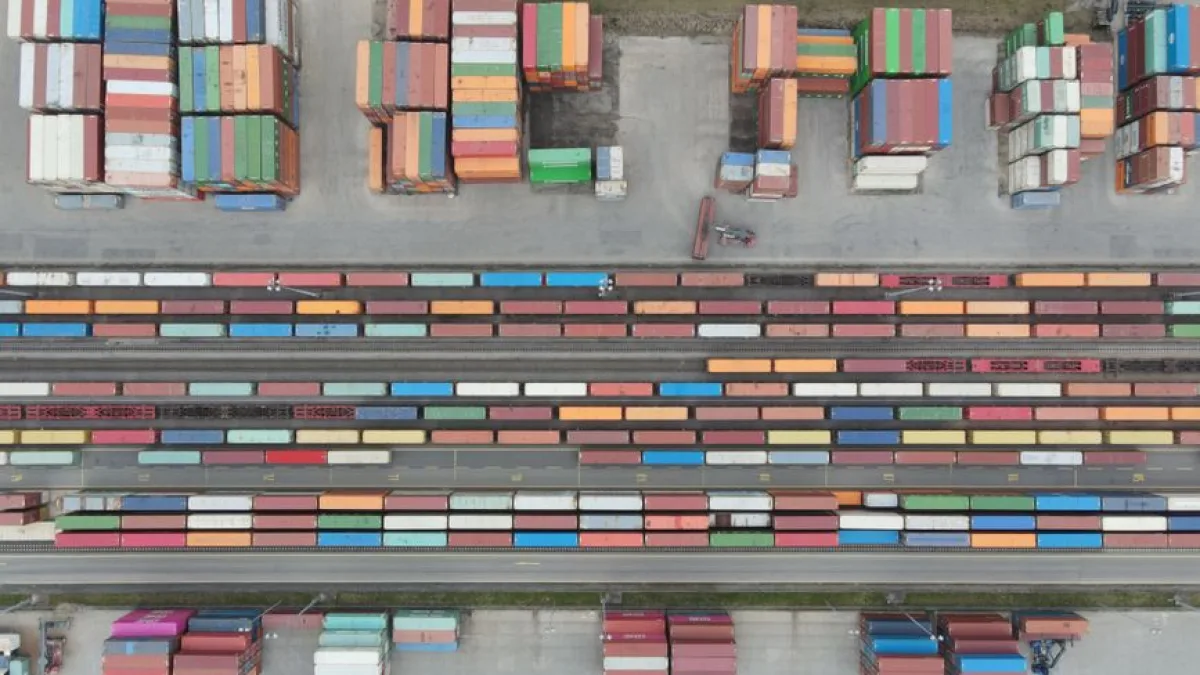
True visibility requires deep integration between the warehouse, the carrier, and the software platform. With the right data at their fingertips, forwarders can proactively address potential bottlenecks before they escalate into major disruptions that impact the bottom line for shippers.
- Predictive Risk Management: Utilize advanced data analytics to identify potential supply chain delays early, allowing teams to adjust routing plans before cargo is stuck at a port.
- Enhanced Cargo Monitoring: Track sensitive cargo conditions like temperature and humidity using IoT sensors that feed data directly back to the main management platform for review.
- Improved Carrier Collaboration: Establish stronger partnerships by sharing performance metrics through a secure dashboard, fostering trust and accountability between freight forwarders and their global carrier network.
- Dynamic Route Planning: Adjust shipping paths in real time based on weather forecasts or regional port congestion data provided by smart software to ensure timely deliveries.
Visibility serves as the backbone of modern logistics, transforming how businesses react to uncertainty. By maintaining a constant flow of accurate information, forwarders build long term trust with their clients and partners. This transparency does not just solve immediate problems but also enables better long term decision making, helping businesses pivot quickly when market conditions shift unexpectedly or when global trade routes encounter obstacles.
Integrating Intelligent Software Tools

Software integration acts as the bridge between legacy systems and future scalability. Forwarders must prioritize tools that offer open APIs to ensure that their primary freight management platform communicates perfectly with their existing accounting and customer relationship management software.
- Seamless API Integration: Ensure that all business software tools talk to one another, preventing data silos and duplicate efforts across the finance, operations, and sales department teams.
- Scalable Cloud Infrastructure: Transition your IT setup to a cloud based environment that supports growth, allowing your business to handle higher shipment volumes without performance degradation.
- Advanced Data Analytics: Leverage your historical shipping data to find cost saving opportunities or identify recurring issues that might be hindering your business performance over time.
- Customized User Dashboards: Design personalized views for each employee that prioritize the specific data points they need to manage their daily logistics tasks with maximum efficiency.
Selecting the right software tools is essential for maintaining a lean operation that can adapt to changing market demands. Integration creates a single source of truth for all business activities, reducing confusion and fostering a culture of data driven decisions. As businesses scale, this digital foundation ensures that every member of the team remains aligned with organizational goals while delivering exceptional service to customers.
Empowering The Logistics Workforce

Training employees to master new technology is just as important as the software itself. Human expertise remains a critical component of the freight forwarding industry, and when combined with powerful software tools, your team can deliver unprecedented levels of service excellence.
- Comprehensive Staff Training: Conduct regular workshops that focus on the features of your freight software, ensuring that every user maximizes the available tools for efficiency gains.
- Continuous Skills Development: Encourage team members to stay updated on digital logistics trends to keep your company at the cutting edge of industry best practices today.
- Employee Feedback Loops: Collect input from your staff regarding software usability to identify specific pain points and drive future improvements in your operational digital workflows.
- Improved Role Satisfaction: Reduce the stress caused by repetitive manual tasks by automating them, allowing your team to engage in high value problem solving and relationship management.
Investing in your workforce ensures that your technology provides maximum value to the organization. When employees feel confident using their digital tools, they become more creative and efficient in their daily duties. This balance of technology and human expertise creates a high performance culture that is capable of handling complex challenges while maintaining a consistent standard of service for every international freight shipment.
Conclusion
The evolution of the freight forwarding industry relies on the successful marriage of intuitive software and expert human management. By prioritizing automation, visibility, and continuous team development, forwarders can navigate the complexities of modern logistics with confidence. Embrace these digital tools today to optimize your operations and drive sustainable growth for your business. Visit our platform to see how we can assist you.