Navigating the Future of Digital Freight Forwarding
Tuesday, September 22 2026

The global logistics landscape is undergoing a profound transformation as technology reshapes traditional shipping workflows. Freight forwarders are increasingly moving away from manual, spreadsheet-heavy processes toward integrated, cloud-based systems that prioritize transparency and speed. This shift is not merely a trend but a strategic necessity for businesses aiming to remain competitive in a volatile market. As real-time data becomes the gold standard for supply chain management, forwarders who embrace automation will find themselves better equipped to manage complex operations, reduce costly errors, and deliver superior value to their clients in an ever-evolving international trade environment.
Modernizing Logistics Operations

Modern logistics environments rely heavily on seamless digital integration to manage increasing cargo volumes. By adopting cloud-native software solutions, forwarders can synchronize their entire supply chain, ensuring that data flows continuously between partners and systems without the common pitfalls of legacy communication methods.
- Cloud software advantages: Centralizing your operational data in the cloud allows for instant access to critical shipping documents, significantly reducing the time spent searching through physical filing cabinets or emails.
- Automated booking workflows: Implementing automated booking tools eliminates repetitive manual entry, allowing your staff to focus on high-level customer service and complex problem solving rather than data processing tasks.
- Real-time data synchronization: Ensuring that all stakeholders see the same information simultaneously reduces confusion and minimizes errors that often occur during traditional handoffs between different shipping agents.
- Streamlined document management: Digital platforms enable electronic signatures and automated filing, which accelerates the customs clearance process and ensures that all regulatory requirements are met with precision and speed.
Adopting these advanced tools allows freight forwarding firms to increase their operational capacity without needing to scale their staff at the same rate. This shift toward digital maturity not only lowers overhead costs but also positions your company as a reliable leader in the logistics sector. By prioritizing smart software, you empower your team to focus on growth and long-term client retention strategies today.
Enhancing Supply Chain Visibility
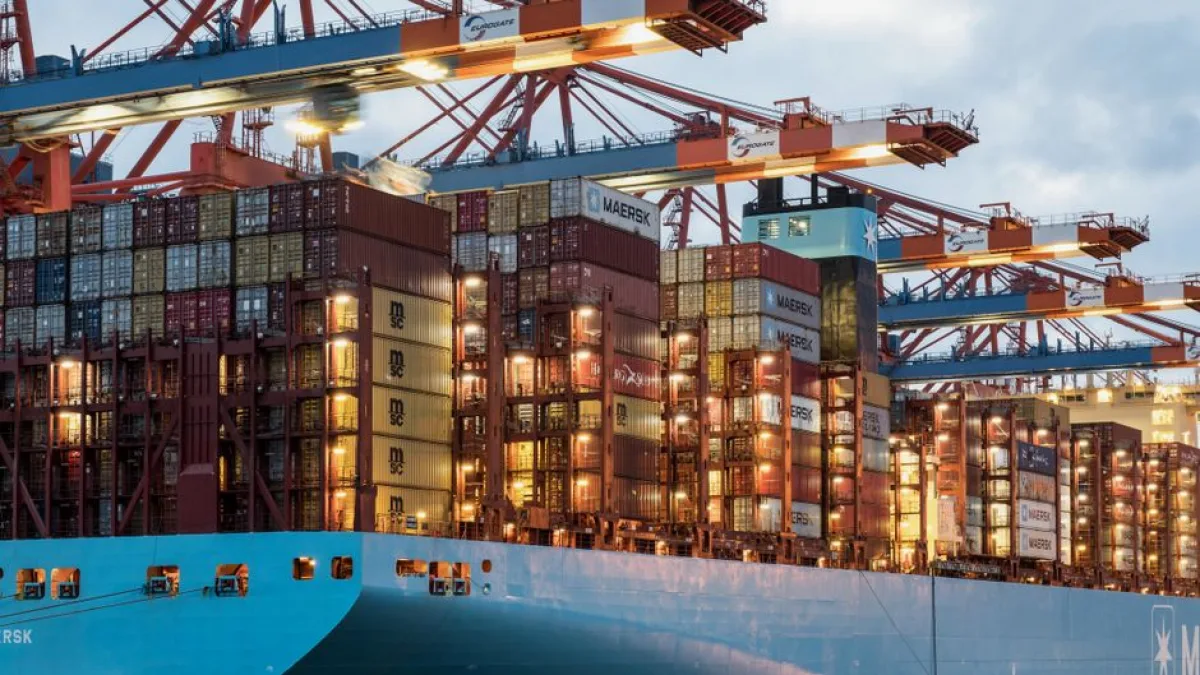
Transparency has become the most valuable currency in global trade today. Clients expect precise tracking capabilities that go beyond simple status updates, demanding granular visibility into their cargo location and potential transit delays that could disrupt their internal business operations.
- Live shipment tracking: Providing customers with a live dashboard allows them to monitor their cargo status 24/7, which drastically increases trust and reduces the volume of status inquiries.
- Proactive delay management: Sophisticated notification systems alert your operations team to potential bottlenecks before they become major issues, allowing you to suggest alternative routing options to clients.
- Data driven insights: Utilizing advanced analytics helps you identify trends in transit times, helping you to refine your carrier selection and improve overall reliability for your partners.
- Client portal access: Offering a branded customer portal gives your clients control over their information, which enhances their experience and makes your services feel more professional.
Increased visibility directly correlates with higher customer satisfaction and loyalty. When forwarders provide deep insights into the movement of goods, they transform from simple vendors into essential supply chain partners. Building this level of transparency requires the right software foundation, which allows you to communicate critical information clearly and consistently. Investing in visibility is an investment in your brand reputation and client longevity.
Optimizing Carrier Performance Management

Managing carrier relationships effectively requires a balanced approach to cost, speed, and reliability. Freight forwarders must leverage performance metrics to ensure that their chosen transport partners consistently meet delivery standards while maintaining the budgetary requirements of the client base.
- Carrier performance metrics: Monitoring KPIs such as on-time performance and damage rates allows you to objectively evaluate whether your current carriers deserve ongoing business and future contracts.
- Cost comparison tools: Integrated software platforms make it easy to compare freight rates across multiple carriers in seconds, ensuring you always secure the most competitive pricing available.
- Relationship management focus: With automated processes handling the routine work, your staff can spend more time negotiating better terms and building stronger partnerships with key shipping lines.
- Automated carrier communication: Standardizing how you request quotes and send booking confirmations ensures consistency, which reduces friction and leads to better cooperation from your external carrier partners.
Optimizing how you work with carriers allows your company to build a robust network that can withstand market fluctuations. By utilizing data to drive your decision-making, you ensure that every shipment is handled by a partner that aligns with your specific quality and financial objectives. This strategic approach to carrier selection ultimately leads to a more resilient and profitable freight forwarding business model.
Building Resilience Through Technology

Building resilience requires a proactive stance on risk management and platform scalability. Freight forwarders must be prepared for unexpected disruptions by utilizing technology that allows for rapid shifts in strategy and operational focus when market conditions suddenly change or shift.
- Scalable software infrastructure: Choosing a platform that grows with your business ensures you do not outgrow your tools, allowing for smooth expansion into new markets and territories.
- Risk mitigation strategies: Using data to forecast potential supply chain disruptions enables your team to develop contingency plans that keep shipments moving regardless of global trade events.
- Enhanced security protocols: Modern cloud platforms offer robust encryption and backup features, protecting your sensitive client data from cyber threats and ensuring continuous access during emergencies.
- Operational agility gains: Digital tools allow your team to work remotely if necessary, providing a level of business continuity that traditional, office-based setups simply cannot match easily.
Resilience is the hallmark of a successful modern freight forwarder. By integrating flexible, secure, and scalable technology into your daily operations, you create a buffer against the inherent instability of global markets. This preparation ensures that your company can handle unexpected challenges with ease, maintaining high service levels for your clients and fostering a stable, sustainable business environment that is built to last.
Conclusion

Staying ahead in the freight forwarding industry requires a commitment to digital transformation and continuous process improvement. By leveraging cloud-based platforms, you gain the visibility, efficiency, and scalability needed to excel in a competitive global market. Start integrating these advanced tools into your operations today to streamline your workflows, delight your clients, and secure your company's long-term position as a top-tier logistics provider.