Navigating the Future of Digital Freight Forwarding Efficiency
Friday, September 25 2026
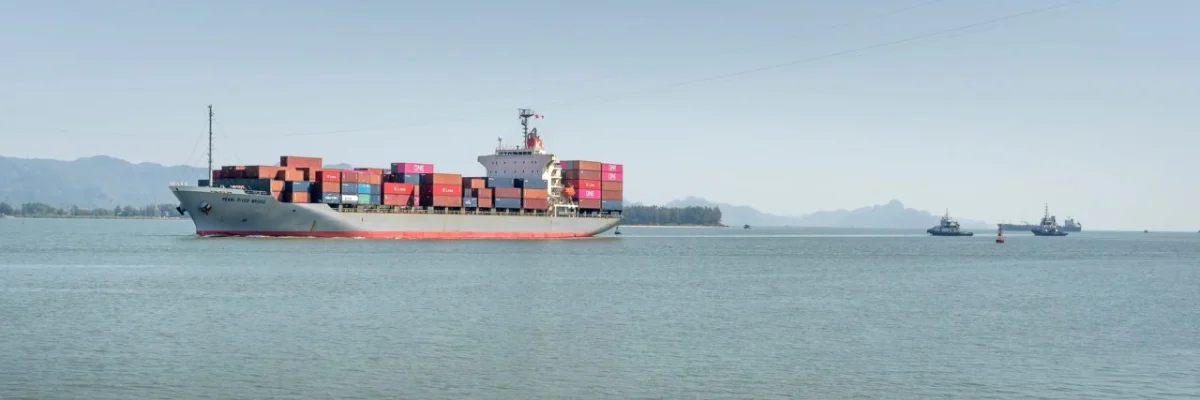
The global logistics landscape is undergoing a rapid transformation as digital integration becomes the standard for modern freight forwarding operations. As supply chain complexities mount, forwarders are increasingly turning to cloud-based solutions to maintain visibility, enhance collaboration, and ensure seamless communication across international borders. This shift is not merely a trend but a necessary adaptation to meet the rising demands of shippers who require real-time data and actionable insights. By leveraging advanced software platforms, forwarders can reclaim time spent on administrative tasks, allowing them to focus on strategic growth and delivering exceptional value to their global customers in this competitive era.
Optimizing Warehouse Logistics Efficiency

Modern warehousing operations demand high precision and rapid inventory turnover to keep global trade moving without unnecessary delays. Utilizing cloud-based software enables forwarders to synchronize warehouse activities with transportation schedules, ensuring that cargo stays on track from arrival to final departure points.
- Real time tracking: Integrate live monitoring systems to provide instant updates on inventory status, reducing manual check-ins and enhancing the overall transparency of your cargo handling processes within the warehouse.
- Automated inventory control: Implement intelligent software tools that trigger replenishment alerts automatically, preventing stockouts while minimizing the storage costs associated with maintaining excess inventory levels during peak shipping periods throughout the year.
- Streamlined picking processes: Deploy digital workflows that guide staff through the most efficient retrieval routes, significantly increasing picking accuracy and reducing the time required to prepare shipments for outbound transport.
- Scalable storage solutions: Utilize flexible digital systems that grow alongside your business, allowing for seamless integration of new facilities without the need for complex, costly infrastructure changes to your existing software.
By streamlining these warehouse workflows, freight forwarders can significantly reduce operational overhead and improve customer satisfaction levels. Advanced digital systems empower teams to make data-driven decisions that prevent common bottlenecks in the storage cycle. When warehouse processes operate with high efficiency, the entire supply chain benefits from increased velocity, ensuring that critical cargo reaches its destination exactly when the client requires it most.
Enhancing Global Supply Chain Visibility
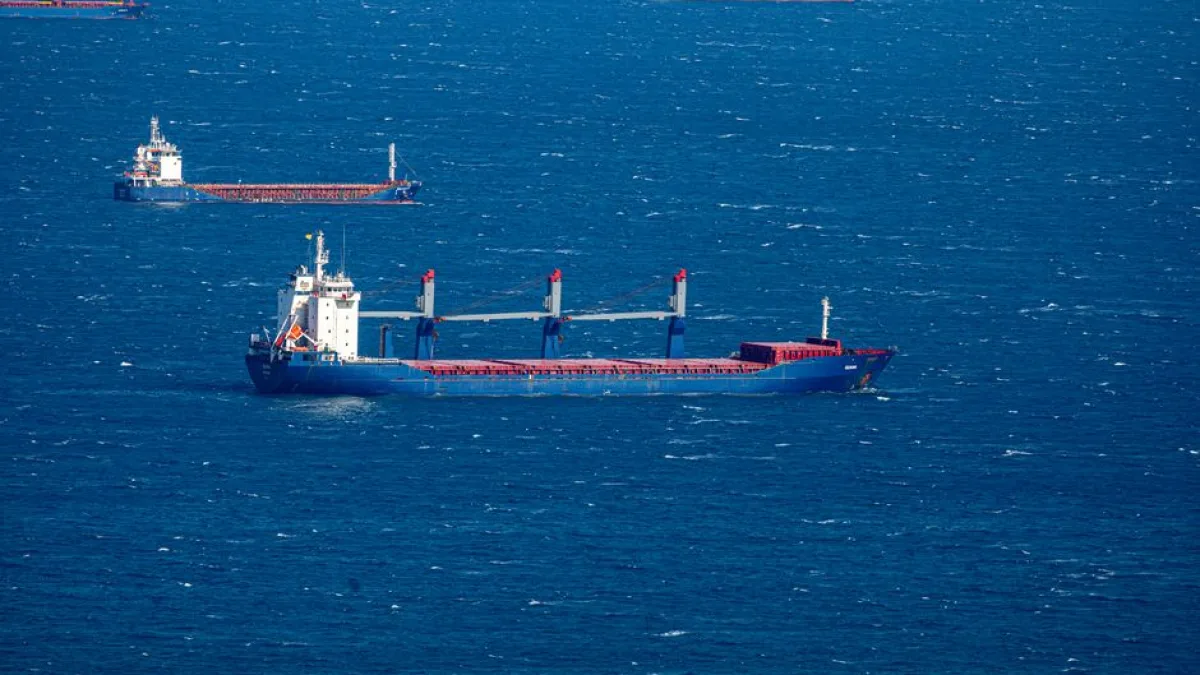
Achieving total visibility across the global supply chain is essential for mitigating risks and proactively managing potential disruptions that might occur during international transit. Cloud platforms consolidate disparate data points, offering a clear view of freight movements everywhere.
- End to end tracking: Monitor every stage of your shipment life cycle from origin to destination, providing clients with consistent updates that build long-term trust and reliability in your services.
- Disruption management tools: Access predictive analytics that identify potential weather or port delays before they happen, enabling forwarders to reroute cargo and avoid costly congestion at major transit hubs.
- Automated documentation flows: Centralize all essential shipping documents in a secure digital space, ensuring that customs brokers and port authorities have instantaneous access to the paperwork required for clearance.
- Collaborative communication channels: Connect vendors, carriers, and agents through a single platform, eliminating the confusion of fragmented email chains and ensuring that everyone is working with the same information.
Visibility serves as the backbone of modern freight forwarding, transforming reactive crisis management into a proactive strategy. By having comprehensive data at their fingertips, forwarders can communicate with confidence and transparency. This level of clarity helps mitigate the impact of unforeseen external events, ensuring that cargo remains moving despite challenges. Ultimately, superior visibility differentiates top-tier providers from the rest of the market competition.
Leveraging Advanced Data Analytics

Data is the most valuable asset for any modern freight forwarder aiming to improve performance and drive profitability. By interpreting complex datasets, companies can identify trends, optimize shipping routes, and refine their pricing strategies to maintain a healthy bottom line.
- Performance metric analysis: Evaluate the key performance indicators of your carrier partners to ensure that service level agreements are consistently met and that your clients receive the quality they expect.
- Cost optimization strategies: Identify hidden expenses within your supply chain by analyzing historic shipping costs, allowing you to negotiate better rates and improve your margins on future freight movements.
- Market trend forecasting: Utilize predictive modeling to anticipate shifts in demand, which helps in securing capacity early and avoiding the high costs associated with last-minute spot market booking.
- Client behavior insights: Analyze shipping patterns to understand the specific needs of your customer base, allowing you to provide personalized service offerings that increase loyalty and long-term business retention.
Translating raw numbers into actionable business intelligence is a game changer for firms seeking a competitive advantage. When you base your operational decisions on objective data rather than intuition, you eliminate guesswork from the equation. This analytical approach leads to smarter procurement, more efficient route planning, and a higher standard of service that keeps your clients coming back to your business for years.
Building Resilient Digital Workflows

Developing resilient digital workflows is the final step in ensuring long-term operational success for freight forwarders. By removing manual, error-prone processes and replacing them with robust automated sequences, forwarders can maintain consistency and speed regardless of external pressure or increased shipping volumes.
- Automated invoicing tasks: Eliminate manual billing errors by automating the generation of invoices, ensuring faster payment cycles and improved cash flow management for your logistics company during the busy season.
- Standardized operational procedures: Use digital templates to ensure that every shipment follows a consistent process, reducing the risk of human error and ensuring compliance with international maritime and air regulations.
- Secure data backups: Protect sensitive client and shipping data with cloud storage solutions that provide automatic redundancy, ensuring your business stays operational even in the face of local hardware failures.
- Integration with customs: Connect your software directly to regional customs portals to speed up clearance times, preventing cargo from sitting idle at ports due to missing or incorrect digital filings.
Resilience in digital workflows allows your team to handle complex logistics scenarios with ease and efficiency. When operations are standardized and automated, the burden of administrative tasks is significantly lessened, freeing up your experts to focus on complex problem solving. A well-designed digital foundation protects your firm from volatility, enabling you to deliver reliable results that sustain your reputation in the global marketplace.
Conclusion

Embracing digital transformation is no longer optional for freight forwarders who want to succeed in today's rapid environment. By optimizing warehouse processes, increasing supply chain visibility, leveraging data analytics, and building resilient workflows, you position your business for sustainable growth. Start integrating these cloud-based tools today to streamline your operations, improve client satisfaction, and secure your place at the forefront of the global logistics industry.