Navigating the Future of Digital Freight Forwarding
Saturday, September 26 2026

The global logistics landscape is undergoing a profound transformation as technology reshapes traditional shipping methodologies. For freight forwarders, the shift toward digitization is no longer a luxury but a fundamental necessity to maintain a competitive edge. Increased expectations for transparency, real-time tracking, and automated documentation require sophisticated cloud-based solutions to manage complex supply chains effectively. As market volatility persists and consumer demand fluctuates, forward-thinking professionals are adopting agile software platforms to streamline operations and enhance client communication. Understanding these shifting technological paradigms is the first step toward building a resilient, scalable, and highly profitable logistics enterprise in an increasingly interconnected global economy.
Digital Integration Strategies
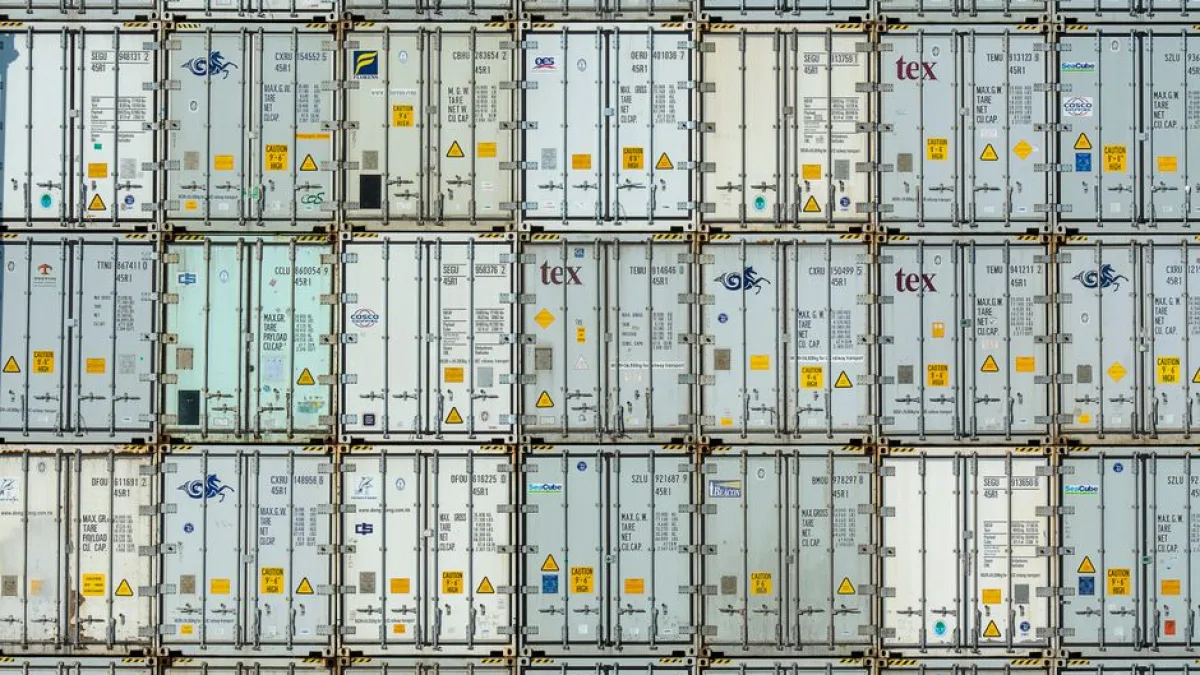
Modern logistics platforms rely heavily on seamless data integration to bridge the gap between carriers, shippers, and forwarders. By centralizing operations, businesses can eliminate manual errors and significantly reduce processing times for complex international shipments across multiple modes of transport.
- Cloud Platform Benefits: Utilizing a cloud-based infrastructure allows freight forwarders to access critical shipment data from any location while ensuring that all stakeholders remain synchronized on project progress.
- API Connectivity Power: Implementing robust API connections between your software and carrier systems facilitates automated updates that keep your clients informed without requiring constant manual data entry efforts.
- Data Security Standards: Protecting sensitive client information is essential in a digital environment, so selecting software with encrypted servers ensures compliance with international data privacy and security regulations.
- Automated Workflow Efficiency: Digital workflows replace paper-based processes by automating routine tasks, allowing your team to focus on strategic decision-making rather than repetitive administrative burdens that slow growth.
Adopting an integrated digital strategy enables your firm to respond rapidly to changing market conditions. By removing silos within your organizational structure, you create a transparent environment where information flows freely. This increased visibility empowers your staff to resolve issues proactively before they escalate into costly delays, ultimately driving higher levels of customer satisfaction and retention across your entire service portfolio during peak seasons.
Optimizing Ocean Freight Operations
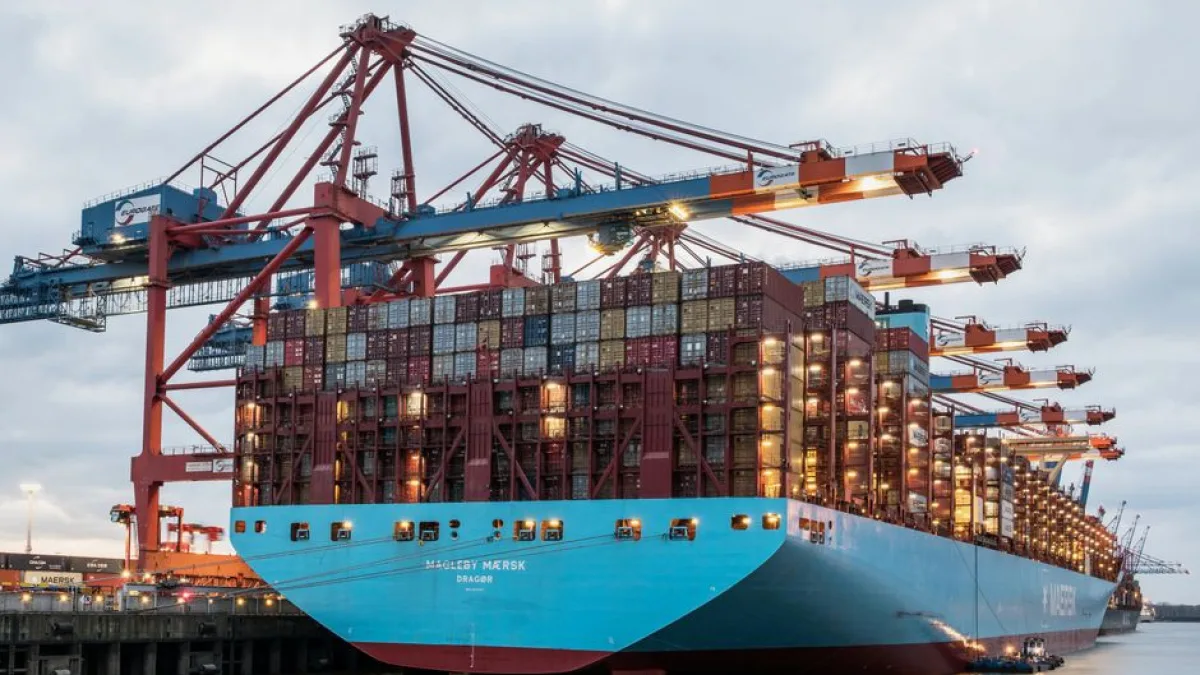
Managing ocean freight requires precise coordination and constant monitoring to handle the inherent volatility of sea transport. Advanced software tools provide the necessary oversight to track vessel schedules, port congestion, and container availability with incredible accuracy and speed.
- Real-time Vessel Tracking: Monitoring ships through satellite data provides accurate arrival predictions, allowing forwarders to manage client expectations effectively even when unexpected weather disruptions or port delays occur.
- Container Management Tools: Efficient tracking of empty and loaded containers prevents unnecessary demurrage fees and improves the overall utilization of your inventory across diverse international shipping routes.
- Customs Compliance Automation: Automated filing systems ensure that all import and export documentation meets local regulatory requirements, reducing the risk of fines and preventing shipment clearance delays.
- Dynamic Pricing Engines: Leveraging software to compare carrier rates in real time helps you secure the best possible value for your clients while maintaining healthy profit margins.
Ocean freight continues to be the backbone of international trade, yet it remains susceptible to many unpredictable variables. By leveraging sophisticated management software, you gain a clear view of your supply chain health. This level of control allows you to navigate port congestion and route changes with confidence, ensuring that your clients receive timely updates regardless of the global conditions impacting their cargo.
Transforming Client Communication

Building strong client relationships depends on clear, consistent, and proactive communication. Digital platforms now offer specialized portals that empower customers to track their cargo and access documentation independently, reducing the burden on your customer service representatives significantly.
- Client Portal Access: Providing a secure web portal gives customers the freedom to check shipment status at their convenience, which builds trust and improves overall service satisfaction levels.
- Automated Notification Systems: Sending proactive alerts regarding status changes or documentation updates demonstrates reliability and professionalism, helping you stand out in a highly competitive freight forwarding market.
- Digital Document Storage: Keeping all invoices, bills of lading, and customs forms in a single accessible cloud location eliminates the risk of lost paperwork or human error.
- Personalized Reporting Features: Generating custom analytics reports for high-value clients offers them insights into their logistics performance, strengthening long-term partnerships through added transparency and data-driven business intelligence.
Transforming how you interact with clients is a key differentiator in the modern logistics sector. By prioritizing digital accessibility, you reduce the time your staff spends answering routine status queries. This efficiency shift allows your team to dedicate more effort to complex account management, ultimately fostering stronger relationships and ensuring that your clients feel supported and well-informed throughout every stage of the shipment journey.
Scaling Through Smart Analytics

Data is the most valuable asset for any modern freight forwarding company looking to scale its operations. Analyzing performance metrics provides the actionable insights necessary to identify operational bottlenecks and uncover new opportunities for revenue growth in untapped global markets.
- Performance Metric Tracking: Monitoring key indicators like transit time accuracy helps you identify underperforming carrier lanes and refine your service offerings based on verifiable historical shipment data.
- Financial Reporting Clarity: Detailed profit and loss reports per shipment allow you to evaluate the fiscal health of your operations and make informed decisions on pricing strategies.
- Demand Forecasting Tools: Utilizing predictive analytics to estimate future shipping volumes prepares your business for seasonal fluctuations, ensuring you have sufficient capacity to meet client requirements consistently.
- Operational Efficiency Audits: Regular reviews of software-generated data highlight manual processes that could be further automated, paving the way for continuous improvements in your overall business productivity levels.
Leveraging analytics allows you to transition from reactive management to proactive strategy. By consistently measuring the success of your operations, you can identify which areas require improvement and where your team excels. This cycle of measurement and refinement is essential for sustainable growth. As you refine your approach, you will discover that data-backed decisions lead to more stable operations and higher profitability.
Conclusion

Embracing digital transformation is the definitive path for freight forwarders aiming for long-term success in a volatile global industry. By prioritizing cloud-based software, automated processes, and data-driven insights, you position your firm to handle future challenges with confidence. Start optimizing your operations today with MakeCargo to ensure your business remains agile, efficient, and ready to meet the evolving demands of your global clientele.