Navigating the Future of Digital Freight Forwarding
Sunday, September 27 2026

The global logistics landscape is undergoing a profound transformation as technology reshapes traditional shipping methods. For modern freight forwarders, the pressure to move beyond manual processes and legacy systems has never been greater. Competitive advantages now belong to those who embrace automation, transparency, and data driven decision making. By leveraging cloud based platforms, companies can minimize human error and streamline complex workflows across international borders. Staying ahead in this volatile market requires a commitment to modernization, ensuring that your organization remains agile, resilient, and ready to meet the evolving demands of clients in an increasingly interconnected global economy.
Embracing Automation Tools

Warehouse automation stands as a cornerstone for modern logistics efficiency. By integrating advanced robotics and software, forwarders can reduce physical handling time while increasing inventory accuracy. This shift allows teams to focus on strategic client relations rather than repetitive data entry tasks.
- Improved operational speed: Automated systems process shipping documentation and tracking updates in seconds, significantly reducing the turnaround time required for manual data entry tasks performed by your office staff.
- Reduced error rates: Eliminating manual keyboard inputs helps prevent costly mistakes that often arise during high volume shipping periods or when handling complex customs documentation for international cargo.
- Scalable business models: Modern cloud tools grow alongside your firm, allowing you to add new users or regions without the need for massive hardware investments or infrastructure upgrades.
- Enhanced data accuracy: Real time synchronization ensures every team member views the same information, preventing the confusion that often occurs when spreadsheets become outdated or manually misaligned.
Adopting automated tools is no longer a luxury but a fundamental necessity for survival. Companies that fail to update their internal systems risk falling behind competitors who utilize real time analytics to optimize their logistics chains. By investing in scalable software solutions today, you ensure that your operations remain efficient and capable of handling future market fluctuations with precision and professional reliability.
Enhancing Real Time Visibility
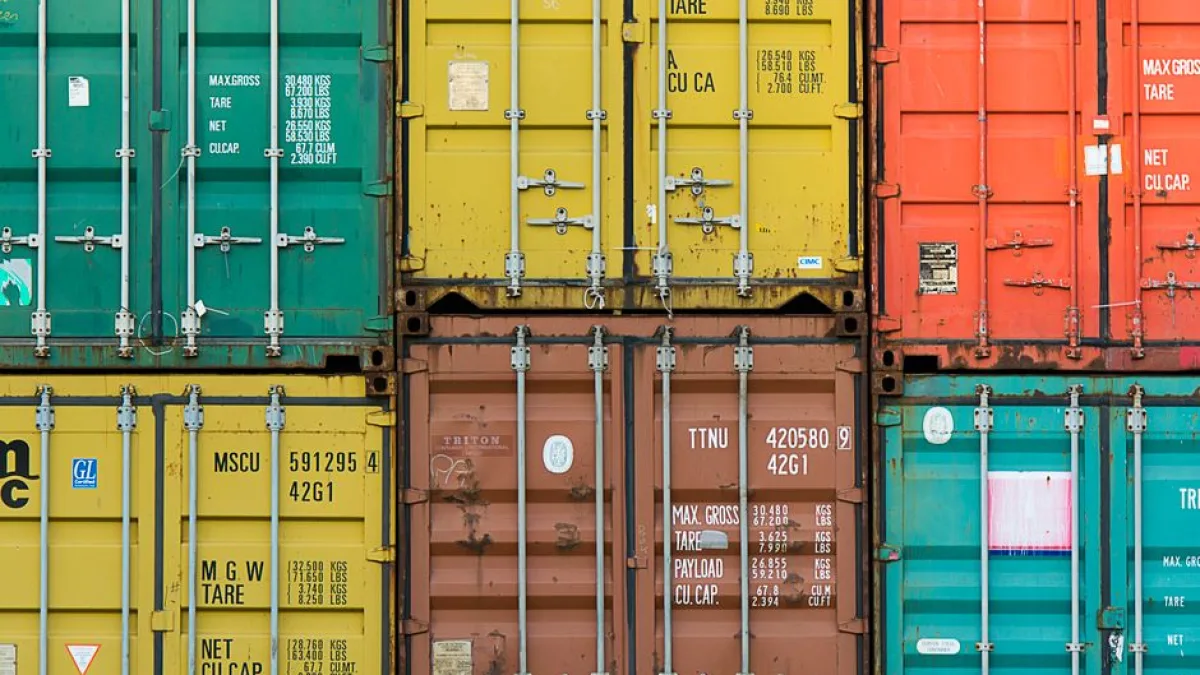
Supply chain visibility remains the top priority for shippers worldwide. Clients demand instant access to their cargo status regardless of the mode of transport. Providing this transparency builds trust and establishes long term partnerships between service providers and their clients.
- Live shipment tracking: Customers benefit from direct access to current vessel positions and status updates, removing the need for constant phone calls or emails to your desk.
- Proactive delay alerts: Software systems automatically notify your team about potential port congestion or severe weather events, allowing you to adjust plans before major issues arise.
- Customized client dashboards: Providing personalized portals gives your customers the freedom to monitor their specific supply chain data whenever they need it, improving overall user satisfaction levels.
- Historical performance analysis: Access to past shipment data helps in evaluating carrier performance over time, enabling better negotiations for future contracts and more accurate route planning.
Transparency creates a strong foundation for loyalty in the freight industry. When forwarders provide comprehensive visibility, they empower their clients to make informed decisions about their own inventories and distribution plans. This level of service transforms a standard transactional relationship into a strategic partnership, ensuring that your business stands out as a reliable and high tech logistics leader in a crowded market.
Optimizing Customs Compliance

Managing global customs regulations is inherently complex and prone to constant regulatory updates. Digital platforms simplify this process by centralizing documentation and automating compliance checks. Reducing the burden of paperwork allows for smoother border crossings and fewer shipment delays.
- Centralized document management: Secure cloud storage keeps all commercial invoices, packing lists, and certificates of origin in one easily accessible location for immediate customs authority review.
- Regulatory update alerts: Automated systems provide instant notifications regarding changes to trade laws or regional import requirements, ensuring your team remains fully compliant at all times.
- Error prevention prompts: Software validation features catch missing fields or incorrect commodity codes before documents are submitted to authorities, saving time and preventing potential heavy fines.
- Simplified digital filing: Streamlined submission workflows allow you to send required information to government agencies electronically, which significantly speeds up cargo clearance at busy maritime ports.
Managing compliance through legacy spreadsheets is a high risk activity that invites human error. By shifting to dedicated compliance software, you protect your company from unnecessary audits and expensive penalties. These digital solutions provide a safety net, allowing your team to navigate the complexities of international trade with confidence and efficiency, ultimately ensuring that goods reach their final destination without any bureaucratic obstacles.
Building Resilient Networks
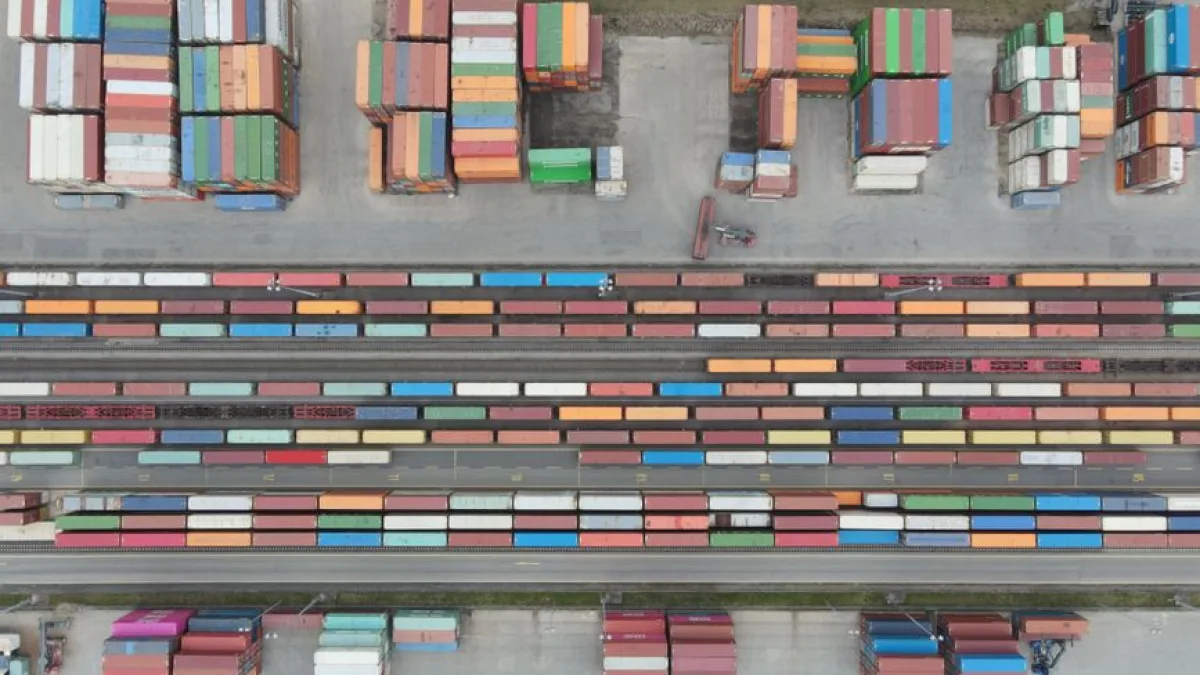
A resilient network relies on strong communication and stable vendor relationships. In a digital world, connectivity is the key to maintaining a competitive edge. Using cloud software enables better collaboration with overseas agents and local carriers, leading to more stable supply chains.
- Seamless agent communication: Integrated messaging tools allow your team to coordinate with international partners instantly, bridging time zones and language barriers through centralized platform communication channels.
- Carrier performance metrics: Data driven insights help you identify the most reliable providers, allowing for better strategic alignment with partners who deliver on time and budget.
- Dynamic route optimization: Advanced algorithms analyze current traffic and congestion data to suggest the most efficient routes, effectively minimizing transit times for your high value cargo.
- Collaborative vendor portals: Shared access platforms allow vendors to upload documentation directly, reducing administrative overhead and ensuring that all project stakeholders are always aligned and informed.
Resilience is defined by how well you handle unexpected disruptions. A well connected, digitally supported network allows you to react instantly to global changes, whether they involve port strikes or fuel price spikes. By building these digital bridges with your partners, you create a robust ecosystem that can withstand external shocks while consistently delivering superior value to every customer you serve.
Conclusion
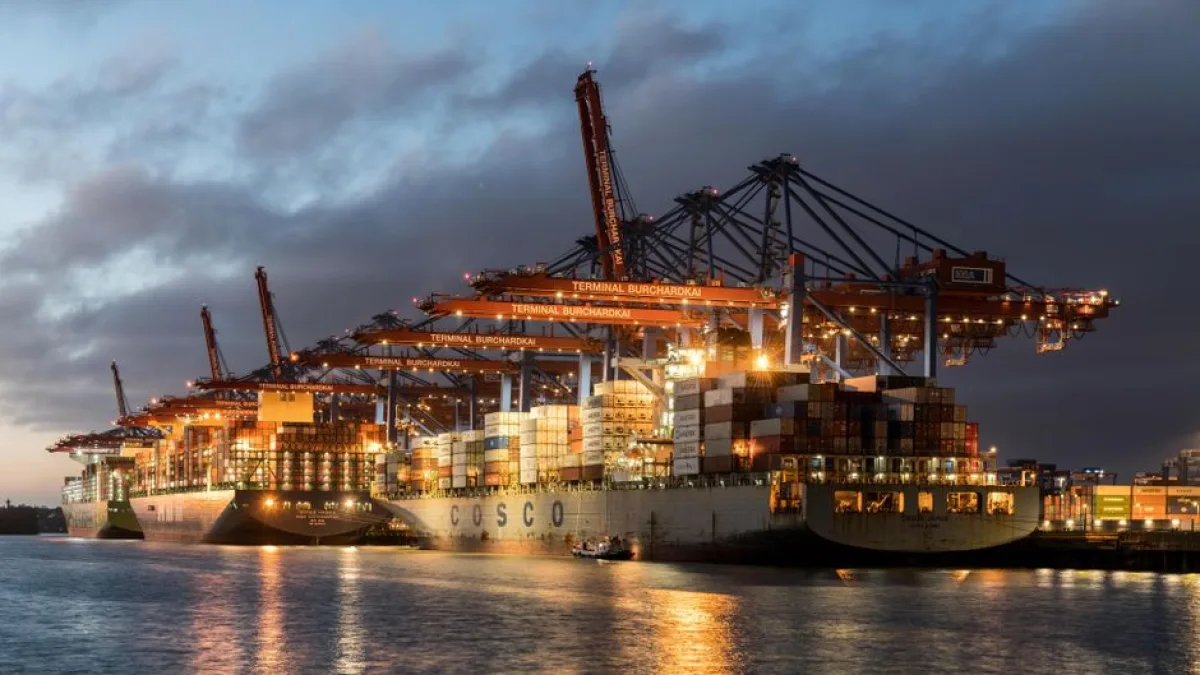
Modernizing your freight forwarding business is a continuous journey that rewards those who prioritize technology and data. By adopting the right software solutions, you improve efficiency and provide exceptional service to your clients. Start optimizing your workflows today to ensure your company remains a leader in the global logistics industry. Connect with the experts at MakeCargo to learn how our platform empowers your growth.