Navigating the Future of Digital Freight Forwarding Efficiency
Wednesday, September 30 2026
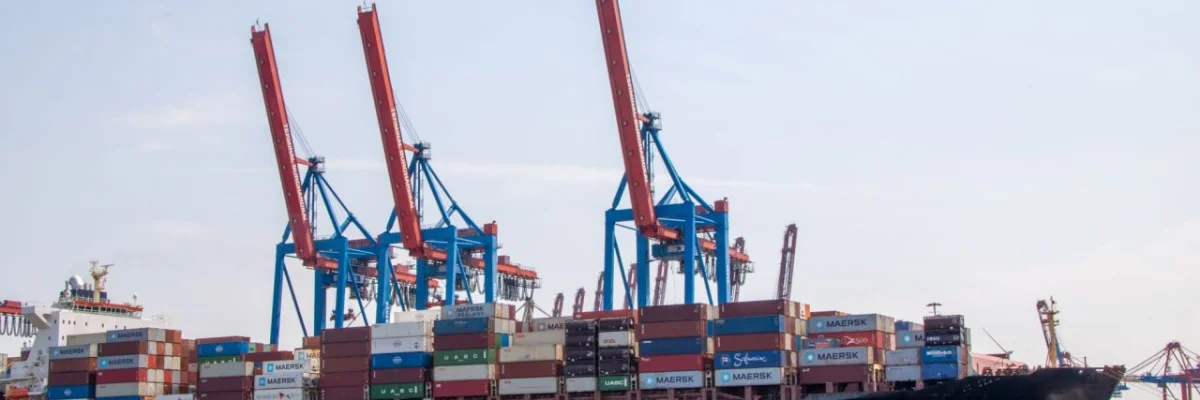
The global logistics landscape is undergoing a massive transformation driven by rapid technological adoption and changing customer expectations. As freight forwarders face pressure to increase visibility, reduce operational overhead, and improve accuracy, the shift toward cloud-based software has become a competitive necessity rather than a luxury. Adapting to these digital trends allows businesses to handle complex documentation while maintaining profit margins despite market volatility. By leveraging modern platforms like MakeCargo, companies can simplify international trade flows and ensure seamless communication across global supply chains while remaining agile in an increasingly demanding and data-driven logistics market.
Automating Complex Documentation Processes

Modern digital platforms enable freight forwarders to move away from manual paperwork by digitizing essential documents. Automating these administrative tasks significantly reduces human error and accelerates processing times, allowing teams to focus on high-value client relationship management and strategic expansion.
- Data accuracy improvements: Automated extraction tools capture data from bills of lading and invoices to ensure that critical shipment details remain precise and free from costly manual entry errors.
- Reduced processing time: Digital workflows allow teams to generate and transmit customs documents in minutes rather than hours, which directly leads to faster container clearance at busy ports.
- Cloud based accessibility: Centralizing all documentation in the cloud ensures that authorized staff and external partners access the latest versions of files from anywhere in the world.
- Compliance management updates: Integrated software systems track changing trade regulations automatically, providing real time alerts that keep your shipping operations fully compliant with international shipping legal standards.
Transitioning from traditional filing methods to automated digital systems provides a clear advantage in a saturated market. Companies that successfully embrace these changes report higher levels of operational output and fewer delays in transit. By eliminating manual data entry tasks, your staff can dedicate their efforts to resolving complex routing challenges, ultimately driving better service levels for every single customer you serve today.
Optimizing Real Time Cargo Visibility

Real time tracking is now the gold standard for supply chain transparency. Providing clients with accurate, live updates regarding their freight location enhances trust and allows forwarders to proactively address any potential delays before they impact the final delivery timeline.
- Live tracking capabilities: Integrated GPS sensors and carrier API feeds provide constant status updates, ensuring that stakeholders always know exactly where their cargo is located during transit.
- Predictive delay notifications: Advanced software algorithms analyze weather and port traffic data to forecast potential delays, allowing forwarders to communicate transparently with clients about incoming schedules.
- Enhanced client communication: Automated email and SMS notifications keep your customers informed at every key milestone, which dramatically reduces the volume of manual status inquiry calls.
- Detailed performance reporting: Analytics dashboards offer deep insights into carrier performance metrics, empowering managers to make data driven decisions that optimize future logistics routes and costs.
Visibility is no longer just a perk, it is a basic requirement for modern shippers who demand total transparency. When freight forwarders implement robust visibility tools, they create a stronger foundation for long-term partnerships and repeat business. By proactively managing expectations through live data, you demonstrate professional reliability that distinguishes your brand from competitors still relying on manual status updates and spreadsheets.
Streamlining Financial Management Workflows

Managing freight finances requires precision and speed to maintain healthy cash flow. Cloud platforms integrate invoicing, currency conversion, and expense tracking into a single interface, ensuring that financial data is always accurate, synchronized, and ready for end of month reporting.
- Automated invoicing systems: Generate invoices instantly upon shipment completion to ensure that billing cycles remain short, which helps maintain steady cash flow throughout the fiscal year.
- Multi currency support: Integrated financial modules handle complex currency conversions and regional tax calculations automatically, reducing the workload for accounting departments managing diverse international shipping lanes.
- Expense tracking transparency: Centralizing all logistics costs into one digital ledger allows managers to identify hidden inefficiencies and negotiate better rates with carriers and vendors.
- Seamless software integration: Modern freight software connects directly with popular accounting packages, eliminating the need for duplicate data entry and minimizing the risk of accounting mistakes.
Efficient financial workflows are the backbone of a profitable logistics business. By automating the billing and reconciliation process, you reclaim valuable time previously spent correcting errors or tracking down unpaid invoices. This streamlined approach allows finance teams to focus on strategic growth rather than day to day administration, ensuring your company remains financially agile even when market conditions fluctuate unpredictably during peak seasons.
Building Scalable Operational Infrastructure
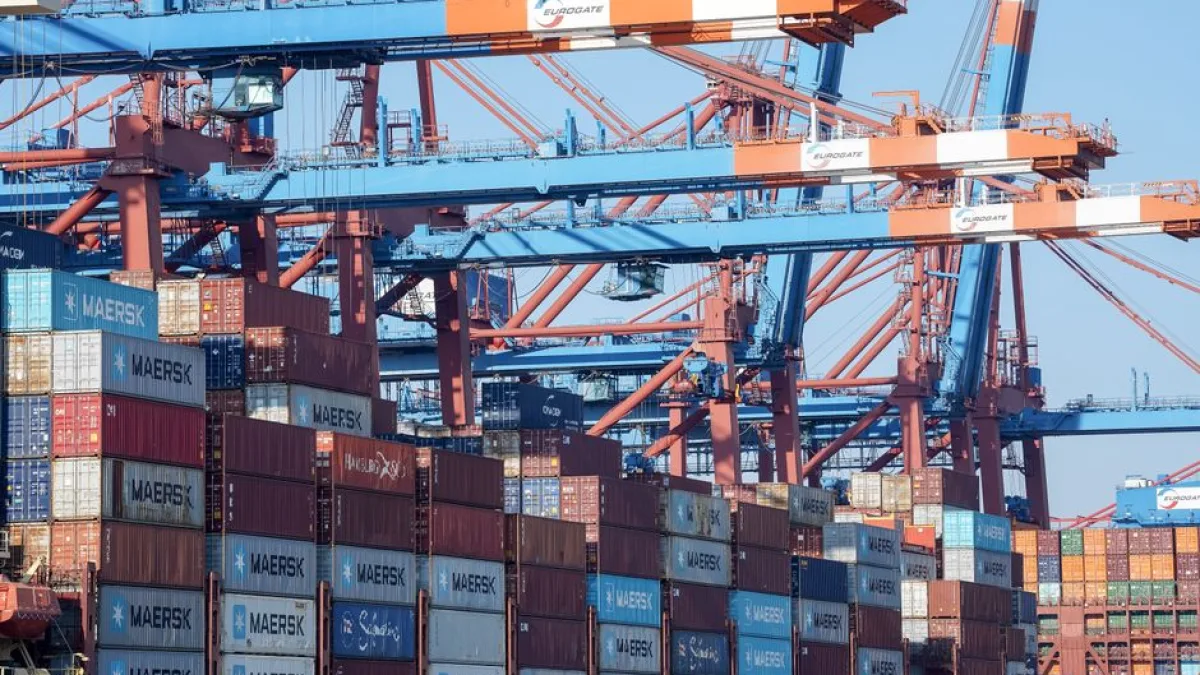
Scalability allows freight forwarders to grow without increasing overhead costs. By adopting flexible, modular software solutions, businesses can easily add new trade lanes or handle larger shipment volumes while maintaining the same level of high quality service for clients.
- Flexible user management: Easily scale your team by granting secure access to new employees or temporary contractors without needing to install complicated software on individual machines.
- Customizable workflow modules: Tailor your digital platform to suit specific niche logistics needs, such as cold chain monitoring or heavy project cargo requirements, with just a few clicks.
- Reliable data security: Cloud providers offer enterprise grade encryption and regular data backups, protecting your sensitive client information against the growing threat of modern cyber attacks.
- Growth oriented design: Systems engineered for growth ensure that your digital infrastructure handles thousands of additional shipments without slowing down your core business operations or processes.
Scaling a freight forwarding business effectively requires a solid technical foundation that adapts to your needs. Rather than being limited by legacy software that requires constant maintenance, modern cloud systems evolve alongside your business objectives. This flexibility empowers you to enter new markets with confidence, knowing your infrastructure will support your long-term vision and help you capture new growth opportunities in global trade.
Conclusion

Embracing digital transformation is critical for freight forwarders looking to remain competitive and efficient in the modern market. By leveraging cloud-based platforms to automate documentation, improve visibility, and streamline financials, you position your business for sustainable growth. Start integrating these advanced technologies today to simplify your operations, reduce costs, and deliver the exceptional service that your global shipping clients consistently expect.