Navigating the Future of Digital Freight Forwarding
Wednesday, September 30 2026

The global logistics landscape is undergoing a profound transformation as technology reshapes traditional shipping workflows. Freight forwarders are increasingly moving away from manual spreadsheets and siloed legacy systems in favor of integrated, cloud-based digital platforms. This shift is driven by the urgent need for real-time visibility, automated documentation, and enhanced collaboration between carriers and shippers. As market competition intensifies, firms that leverage data-driven insights and scalable software solutions are better positioned to optimize operations, reduce overhead costs, and deliver superior customer service. Embracing digital maturity is no longer just an optional improvement but a critical requirement for maintaining a competitive edge in today's supply chain.
Modernizing Operational Workflows
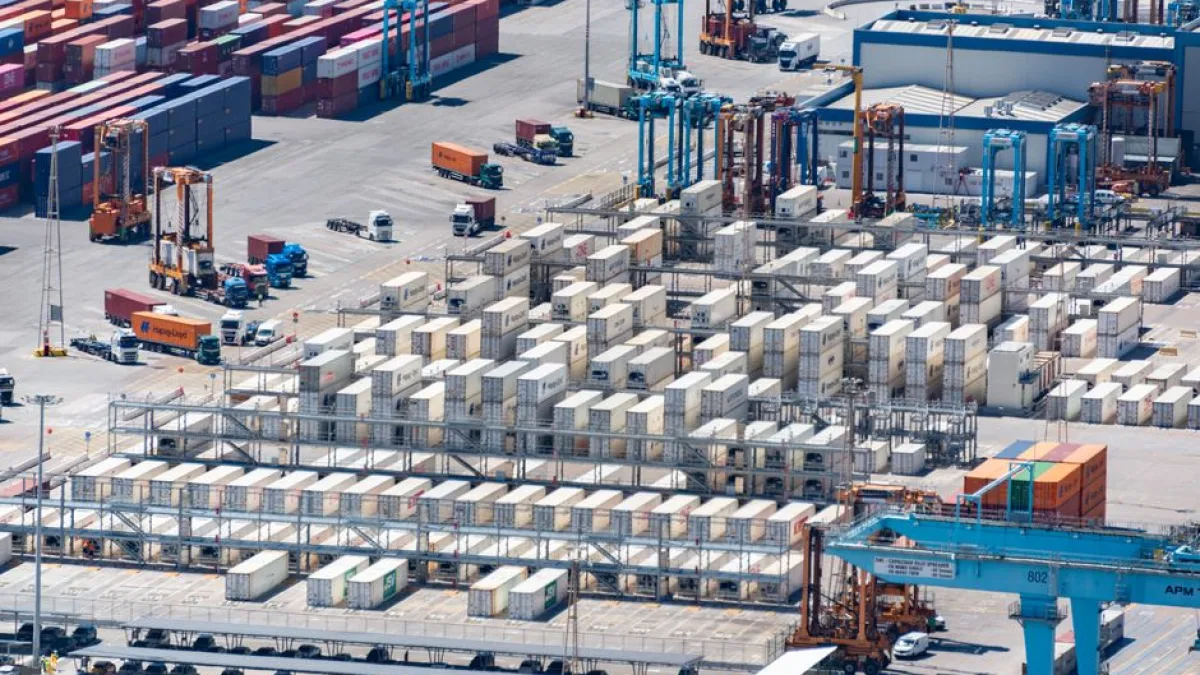
Port logistics depend on streamlined documentation and rapid data exchange to maintain flow. Modern software platforms help teams manage complex container movements by digitizing the entire process from origin to final destination, ensuring that every shipment is tracked with precision.
- Automated booking workflows: Digital platforms allow agents to process bookings in seconds by centralizing carrier schedules and rates, effectively eliminating the manual data entry errors that often delay critical global shipments.
- Instant rate comparison: Freight professionals can access real-time market pricing from multiple carriers, enabling them to select the most cost-effective routes while providing transparent value to their diverse client base.
- Document digitization tools: Advanced software automatically generates bills of lading and customs forms, ensuring that all trade compliance requirements are met without the need for time-consuming paper-based manual filing.
- Integrated communication channels: Real-time messaging features within the platform connect stakeholders across the globe, facilitating faster problem-solving and keeping all parties informed throughout every stage of the transit cycle.
Adopting these automated tools allows forwarding businesses to scale their operations without increasing headcount proportionately. By removing bottlenecks associated with manual administrative tasks, your team can focus on high-value strategic growth and customer retention. The result is a more resilient supply chain that adapts to volatility with ease, providing your business with the necessary agility to thrive in a demanding international market environment.
Enhancing Real-Time Visibility
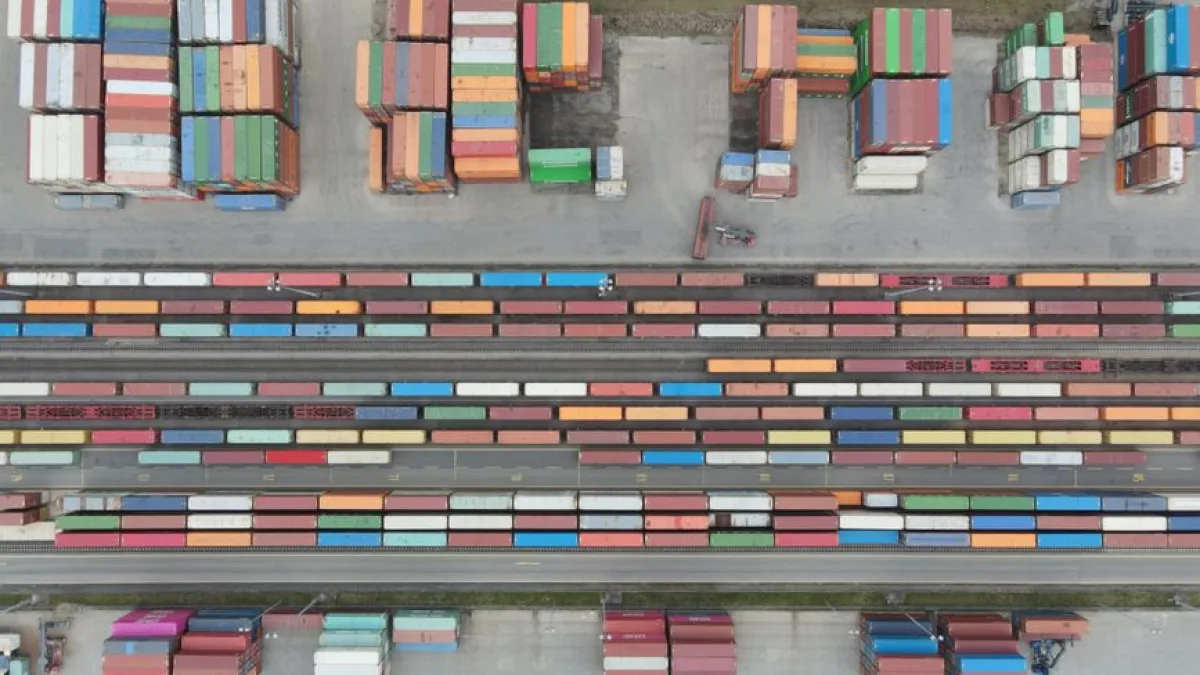
Visibility is the backbone of trust in modern logistics. Providing customers with accurate updates regarding the status of their cargo creates transparency and reduces the need for constant check-ins, allowing your team to handle higher volumes of complex shipments.
- Live shipment tracking: Customers gain access to live updates via custom portals, significantly reducing the influx of status update emails and allowing your staff to focus on critical exceptions.
- Predictive delay alerts: Intelligent software systems monitor global port congestion and weather patterns to predict potential delays, enabling proactive communication before a shipment is even impacted by unexpected events.
- End-to-end transparency: Maintaining a comprehensive view of the supply chain ensures that both the forwarder and the shipper have access to identical information, fostering stronger professional relationships.
- Centralized data repositories: Every status change and milestone is recorded in a single location, creating a reliable audit trail that is essential for long-term accountability and improved service quality.
The ability to provide instantaneous information is a major differentiator in the current market. By centralizing all shipment data into a single, user-friendly interface, you significantly enhance the overall experience for your clients. This level of clarity builds confidence in your services, ensuring that your customers remain loyal while you handle their most valuable cargo with professional efficiency and complete transparency every day.
Driving Efficiency Through Integration

Seamless connectivity between different logistics software modules is essential for minimizing data silos. Integrating your forwarding platform with other essential business systems creates a unified ecosystem that fuels growth and ensures that your operations remain highly productive and scalable.
- ERP system integration: Seamlessly connect your freight software with accounting and inventory systems to ensure that financial data is always accurate and available for management reporting and analysis.
- Custom API connectivity: Developers can create bespoke connections to carrier portals or internal customer systems, facilitating the automated flow of information across your entire technical infrastructure and organization.
- Unified user interfaces: Employees benefit from working in a single, cohesive system that removes the need to switch between disparate software tools, thereby increasing overall productivity and accuracy.
- Seamless data migration: Moving existing client databases into a modern platform is made easier with specialized migration tools, ensuring that your business operations continue without any service disruption.
System integration acts as the glue that holds your digital strategy together. By ensuring that your freight software communicates effectively with your other business tools, you create a streamlined environment where information flows freely. This reduction in manual touchpoints not only saves valuable time but also drastically minimizes the risk of human error in sensitive operational and financial record keeping processes.
Strategic Data Utilization

Harnessing the power of your own shipping data provides a distinct advantage in a crowded marketplace. By turning raw shipment information into actionable insights, forwarders can make smarter business decisions that optimize profit margins and improve long-term operational performance for everyone involved.
- Profitability analysis reports: Detailed reporting tools allow you to identify which trade lanes and customer segments are driving the most revenue, helping you focus your resources on growth.
- Performance benchmarking tools: Use historical data to compare your carrier performance against industry standards, ensuring that you always negotiate the best possible service levels for your clients.
- Predictive market forecasting: Leverage advanced analytics to anticipate seasonal trends and demand shifts, allowing your business to adjust capacity planning and pricing strategies well ahead of competitors.
- Custom dashboard reporting: Create visual representations of your key performance indicators to keep leadership informed and motivated with clear, actionable data that supports informed, rapid business decisions.
Data is the most valuable asset in modern logistics, yet many firms fail to utilize it effectively. By implementing analytical tools within your freight platform, you can convert historical facts into a strategic map for the future. Taking this analytical approach ensures that every decision made is backed by solid evidence, leading to more stable operations and a consistently healthier bottom line overall.
Conclusion

The transition toward a fully digital freight forwarding model is the defining shift of our era. By prioritizing automation, visibility, and data-driven strategy, your firm can navigate the complexities of global trade with increased confidence. Modern software is the essential engine for this journey, empowering your team to deliver excellence in every shipment. Now is the ideal moment to upgrade your digital infrastructure.