Navigating the Future of Digital Freight Forwarding
Saturday, October 3 2026
The global logistics landscape is undergoing a profound transformation as technology reshapes how goods move across international borders. Freight forwarders are increasingly tasked with managing complex supply chains while maintaining transparency in an era of high customer expectations. By integrating cloud based platforms like MakeCargo, forwarders can now overcome traditional bottlenecks and manual errors that once hindered efficiency. As we look toward the future, the ability to pivot through real time data and automated workflows will define the winners in this competitive market. Embracing innovation is no longer a luxury but a fundamental necessity for sustainable operational growth and excellence.
Modernizing Port Operations
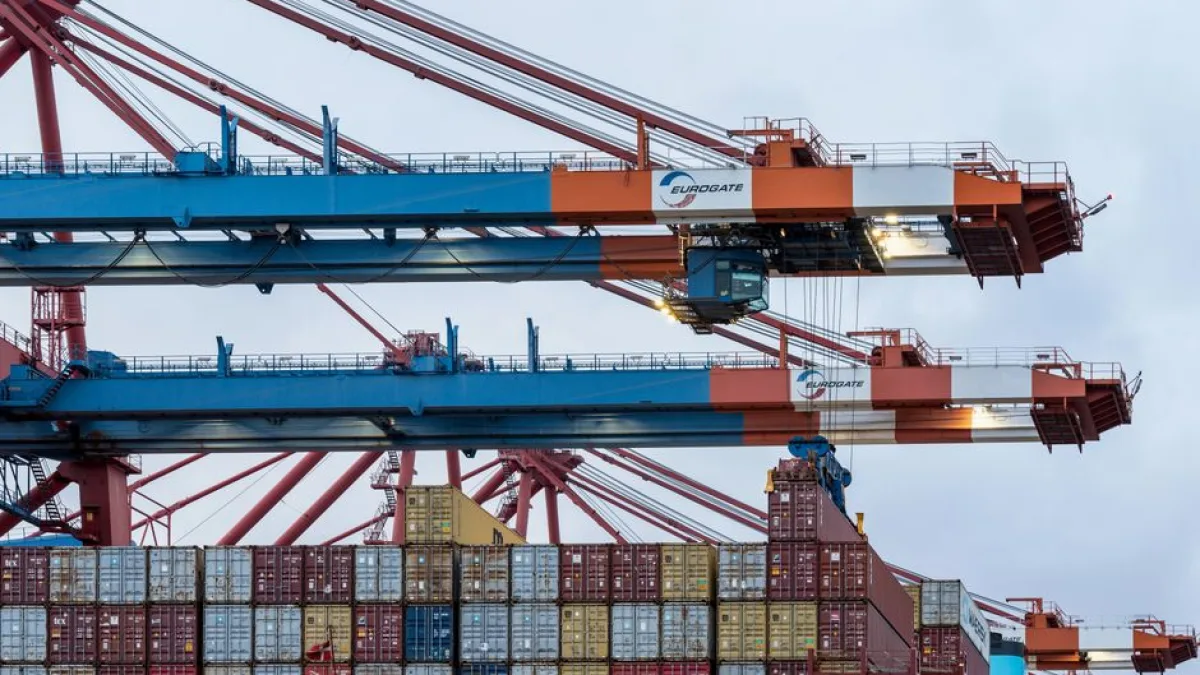
Port terminals are rapidly adopting advanced digital infrastructure to manage the constant flow of ocean freight vessels. These hubs serve as the backbone of global trade, requiring seamless communication between logistics providers and facility operators to prevent costly congestion and delays.
- Automated Gate Systems: Integrated gate solutions significantly reduce dwell times for drivers by automating the check in process and validating container documentation against existing shipment records in real time.
- Real Time Tracking: Enhanced visibility tools allow forwarders to monitor the precise movement of containers, ensuring stakeholders receive accurate updates regarding arrival times and terminal status changes daily.
- Digital Documentation Exchange: Moving away from paper bills of lading enables faster processing cycles, reducing administrative overhead while minimizing the risk of lost documents during high volume transit periods.
- Predictive Capacity Planning: Data analytics platforms help terminal operators and forwarders anticipate peak demand periods, allowing for better allocation of labor and equipment to handle incoming shipment spikes.
Optimizing port interactions is essential for maintaining the velocity of international trade flows in our fast paced environment. By leveraging digital connectivity, freight forwarders ensure that containers move swiftly from vessels to inland transport without unnecessary manual intervention. This technological shift empowers teams to focus on high value tasks rather than chasing status updates, ultimately leading to improved service levels and customer satisfaction scores.
Digitizing Supply Chain Visibility

Visibility is the currency of the modern logistics industry, providing both forwarders and shippers with the clarity needed to make informed decisions. Advanced cloud platforms offer granular insights into every leg of the journey for better risk mitigation.
- End To End Mapping: Comprehensive tracking modules visualize the entire transit path, highlighting potential bottlenecks before they impact delivery timelines or disrupt critical inventory replenishment for global business clients.
- Dynamic Exception Management: Automated alert systems notify operations teams immediately when transit events deviate from the original plan, allowing for proactive resolution rather than reactive damage control measures.
- Data Driven Forecasting: Historical transit data allows forwarders to suggest more reliable routes, helping customers minimize lead times while optimizing their overall inventory carrying costs throughout the year.
- Client Portal Access: Providing secure self service dashboards for shippers creates a transparent relationship, reducing the volume of inbound status enquiries that typically drain internal operational resources daily.
True visibility requires a commitment to data accuracy and seamless integration between disparate software systems. When forwarders provide their clients with live updates, they build trust and establish long term partnerships that withstand market volatility. The transition to a fully digital oversight model allows teams to manage complex logistics networks with precision, ensuring that stakeholders remain informed at every critical juncture of delivery.
The Role of Cloud Software

Cloud computing has revolutionized how freight forwarding firms manage their internal data and external client interactions. By moving infrastructure to the cloud, companies achieve greater flexibility and security while reducing the costs associated with maintaining traditional hardware.
- Seamless System Integration: Cloud platforms easily connect with existing carrier APIs and accounting software, creating a unified ecosystem that eliminates manual data entry and reduces potential errors significantly.
- Secure Data Storage: Encrypted cloud environments protect sensitive shipment and financial information from unauthorized access, ensuring compliance with international data privacy standards and improving overall corporate risk posture.
- Collaborative Workflow Management: Team members can access project files and shipment updates from any location, fostering a culture of agility that is necessary for remote global operations.
- Rapid Scalability Options: As client demands grow, cloud based freight software scales effortlessly to accommodate increased shipment volumes without requiring significant capital investment in new IT infrastructure.
Transitioning to cloud based software represents a strategic investment in the future scalability of your logistics business. By centralizing operations in a secure digital space, forwarders gain the freedom to focus on strategic growth rather than IT maintenance. This infrastructure provides the agility to handle unexpected market shifts while maintaining high performance standards across multiple teams, ensuring your service delivery remains fast and reliable.
Embracing Sustainable Logistics Solutions
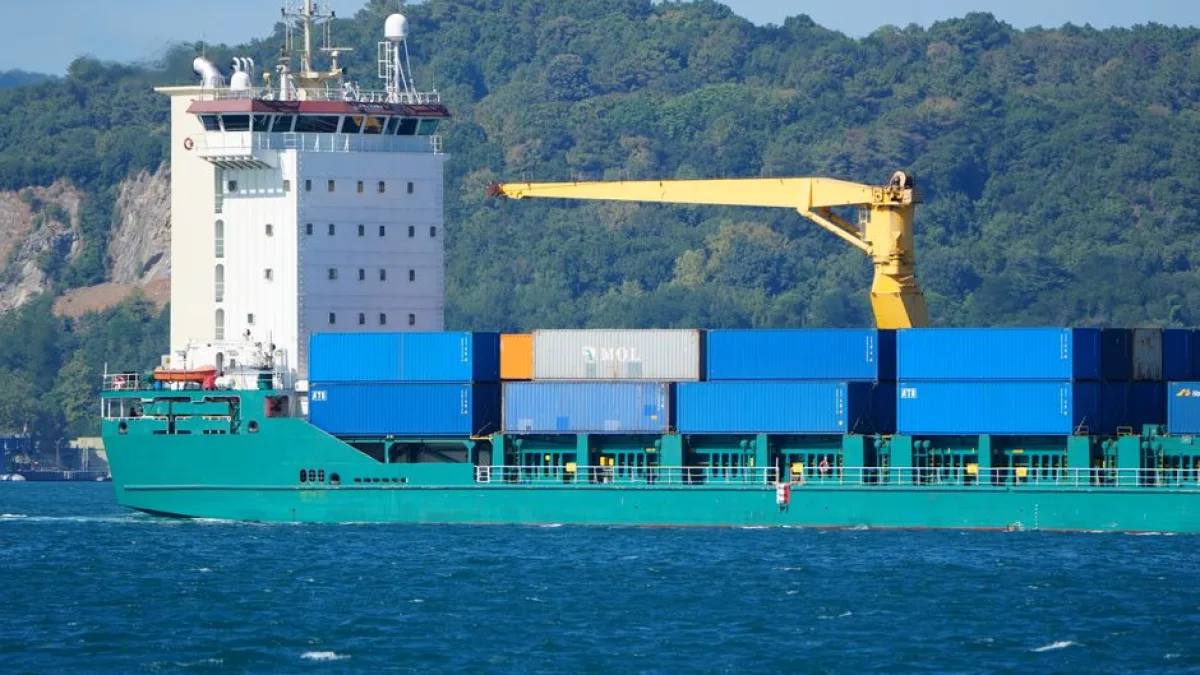
Sustainability has moved to the forefront of logistics planning as clients demand lower carbon footprints for their international shipments. Forwarders now leverage specialized tools to measure emissions and propose greener routing alternatives for various types of global freight.
- Emission Tracking Tools: Integrated modules calculate the carbon output of individual shipments based on mode of transport and route, providing actionable reports for ESG reporting and compliance.
- Optimized Routing Paths: Intelligent algorithms suggest shipping lanes that maximize capacity utilization, effectively reducing the number of partial loads and lowering overall emissions per ton of cargo.
- Sustainable Carrier Partnerships: Digital platforms highlight carriers that prioritize renewable energy or fuel efficient vessels, allowing forwarders to align their service offerings with the environmental goals of their clients.
- Paperless Operational Mandates: Digitizing every invoice, customs declaration, and shipping document helps reduce the environmental impact of office operations while simultaneously speeding up document processing and review cycles.
Adopting sustainable practices is a powerful way for forwarders to differentiate themselves in a crowded marketplace while contributing to global environmental health. By integrating carbon tracking into daily workflows, you provide clients with the transparency they need to meet their own sustainability targets. This proactive approach not only benefits the planet but also strengthens long term client loyalty in an increasingly conscious industry.
Conclusion

The freight forwarding industry is evolving rapidly toward a digital future where data transparency and efficiency serve as primary competitive advantages. By adopting cloud based solutions, companies can modernize their operations, improve visibility, and meet the growing demand for sustainable logistics. Now is the time to audit your current workflows and integrate the technology required to thrive in this complex and interconnected global market.