Navigating the Future of Digital Freight Forwarding
Sunday, October 4 2026
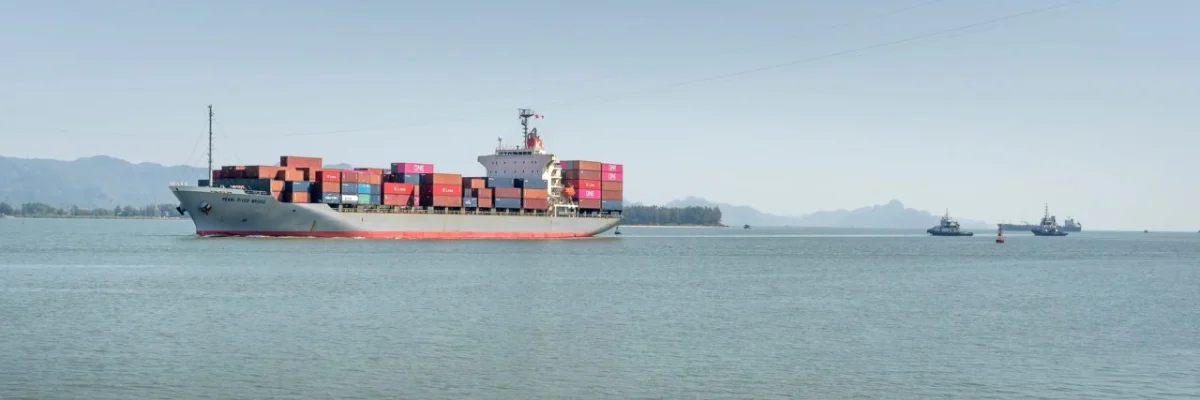
The global logistics landscape is undergoing a profound transformation as technology reshapes traditional shipping workflows. Freight forwarders are increasingly moving away from manual, paper-heavy processes to embrace automated software solutions that provide real-time visibility and enhanced data accuracy. As customer expectations for speed and transparency continue to rise, adopting a cloud-based infrastructure has become a necessity rather than a competitive advantage. This article explores how forwarders can leverage modern digital tools to streamline operations, reduce human error, and build more resilient supply chains that can withstand the unpredictable nature of today's international trade environment.
Optimizing Warehouse Logistics Efficiency
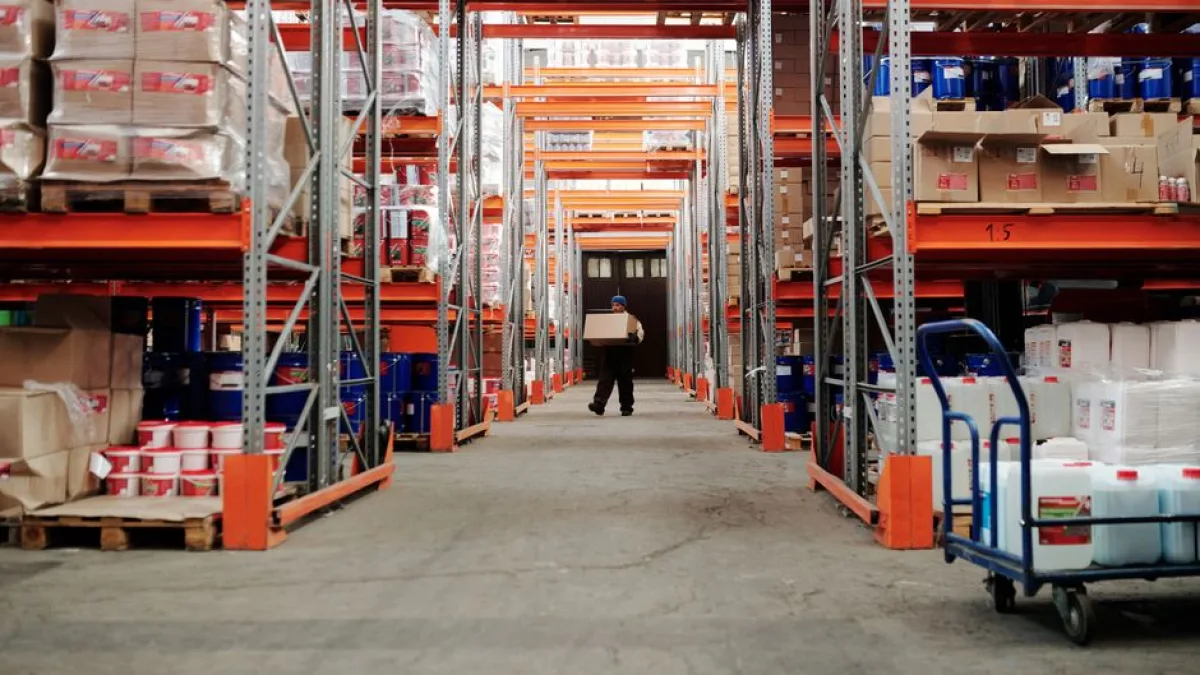
Modern warehouses are no longer just storage facilities but dynamic hubs requiring high precision. Implementing advanced software allows teams to track inventory movements in real time while minimizing dwell times and maximizing space utilization across various regional shipping centers.
- Automated Inventory Tracking: Digital systems provide instant updates on stock levels to prevent delays in fulfillment, ensuring that your teams maintain accurate data throughout the entire shipping process.
- Dynamic Slotting Strategies: Warehouse software utilizes algorithms to organize cargo based on demand, which significantly reduces the time spent moving goods across large facility floor plans daily.
- Seamless Hardware Integration: Connecting existing scanners and scales directly to cloud platforms removes manual entry tasks, drastically lowering the risk of expensive errors for your clients.
- Enhanced Load Planning: Intelligent planning tools suggest the most efficient packing configurations to maximize container capacity, which helps freight forwarders reduce overall transport costs for shippers.
By shifting to automated warehouse management, businesses can achieve higher throughput while maintaining strict quality control standards. These digital upgrades allow staff to focus on strategic decision-making rather than repetitive administrative data entry tasks. Embracing these technological advancements ensures that your freight forwarding operation remains agile and responsive to the evolving demands of modern global supply chain participants in a volatile market.
Securing Supply Chain Data Pipelines

Protecting sensitive cargo information is now a top priority for digital freight forwarders. As platforms move to the cloud, maintaining robust security protocols is essential to defend against rising cyber threats that target global trade logistics networks.
- Advanced Data Encryption: Protecting client documents and financial records with top tier encryption standards ensures that sensitive information remains secure from unauthorized access during transit and storage.
- Role Based Access: Limiting system visibility based on individual user roles prevents internal errors and protects against potential security breaches within your organization's internal logistics management software.
- Regular Security Audits: Conducting frequent automated testing helps identify vulnerabilities in your digital infrastructure before they can be exploited by bad actors during peak shipping demand periods.
- Incident Response Plans: Preparing for potential data outages ensures that your logistics business can recover quickly without sacrificing service quality or operational continuity for your valued customers.
Cybersecurity is a fundamental pillar of modern freight forwarding success in a digital world. Investing in secure software architectures builds trust with partners and shippers who rely on your company to protect their valuable cargo data. Prioritizing these protective measures will shield your organization from reputational damage and keep your digital operations running smoothly even when faced with sophisticated external digital threats.
Automating Complex Documentation Workflows

Managing global trade requires an immense volume of paperwork that often slows down transit times. Automating document generation reduces administrative overhead and ensures compliance with international shipping regulations through standardized digital templates and verification processes.
- Smart Document Generation: Cloud systems automatically populate essential shipping documents using existing database information, which saves your team hours of manual typing and reduces human calculation errors.
- Automated Compliance Checking: Integrated databases compare your shipping documents against updated international customs regulations to ensure that every cargo shipment adheres to local and global requirements.
- Instant Digital Signatures: Facilitating secure electronic signing processes removes the need for physical paperwork and speeds up the entire documentation cycle for busy global freight forwarders.
- Centralized Document Storage: Keeping all relevant manifests and invoices in a searchable cloud folder ensures that your team can access critical data from any location worldwide.
Streamlined documentation processes are essential for maintaining a competitive edge in the fast paced shipping industry. When your team spends less time processing physical papers, they can dedicate more energy to managing client relationships and solving complex logistics problems. Implementing these smart tools effectively transforms your administrative workflow into a highly efficient engine that supports sustained growth for your freight forwarding business.
Scaling Operations Through Cloud Connectivity

Scaling a freight forwarding business requires a flexible architecture that supports expansion. Cloud platforms provide the necessary scalability to manage increasing volumes of cargo without requiring expensive physical infrastructure upgrades or constant hardware maintenance for growing remote teams.
- Global Team Collaboration: Cloud based systems allow employees across different time zones to work on the same shipments simultaneously, which improves communication and reduces overall project delays.
- Scalable Server Resources: Digital platforms expand their computing power automatically as your business grows, ensuring that system performance remains stable during busy seasonal peaks in demand.
- Real Time Shipment Visibility: Connecting all global partners through one centralized dashboard provides unmatched insight into shipment status, helping your team make better decisions for your clients.
- Unified API Integration: Connecting with carriers and customs authorities through standardized APIs simplifies data exchange and creates a cohesive network that supports your long term goals.
Cloud connectivity serves as the backbone for any freight forwarding firm aiming to reach new markets and expand service offerings. By removing physical limitations, you gain the freedom to operate with greater flexibility and reach. This strategic move toward integrated digital systems not only prepares your firm for future industry shifts but also establishes a reliable foundation for long term operational success.
Conclusion
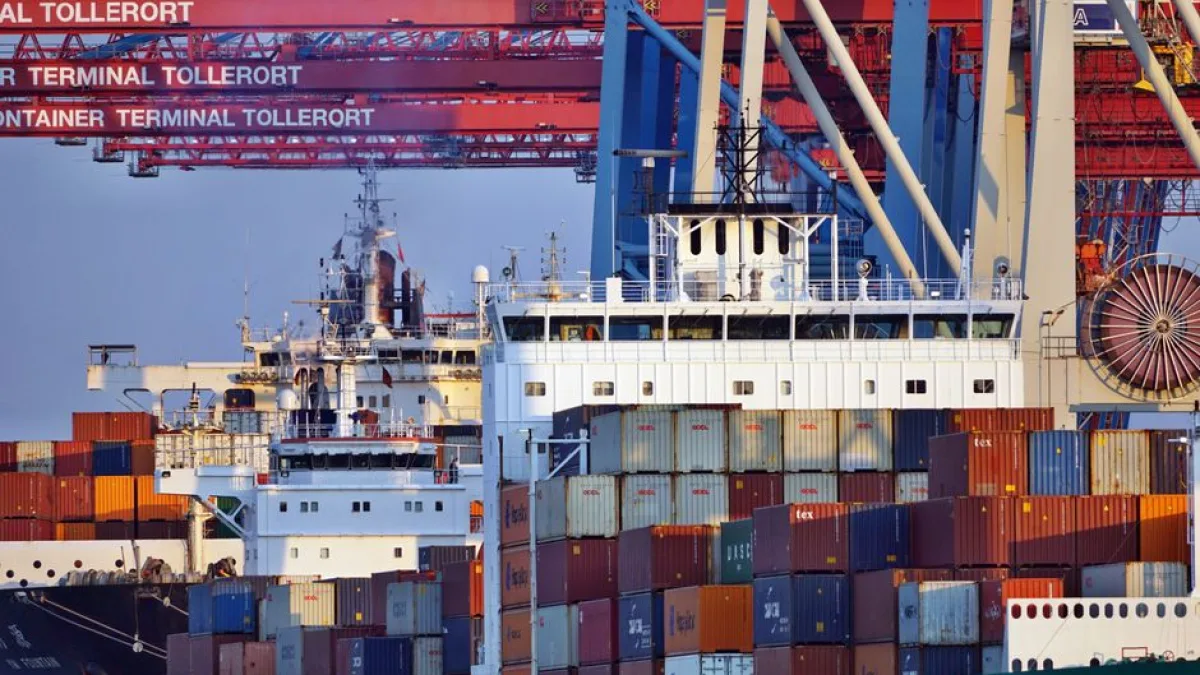
Technology has fundamentally changed how freight forwarders operate their businesses and interact with customers globally. By embracing automation, robust security, and cloud connectivity, firms can overcome the traditional challenges of the shipping industry. Implementing these tools is the key to remaining competitive, scaling operations, and delivering superior value to shippers. Explore our software solutions today to begin your digital transformation journey with MakeCargo.