Navigating the Future of Digital Freight Forwarding in 2024
Tuesday, October 6 2026
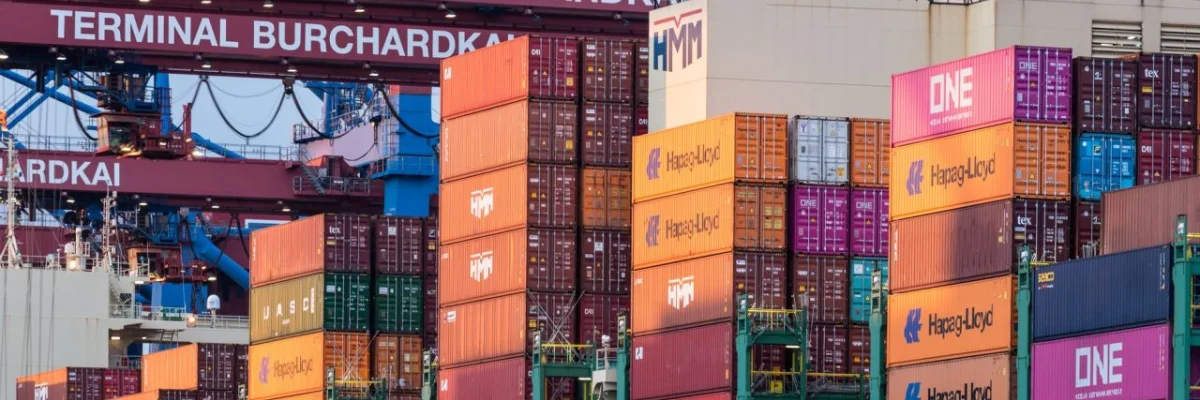
The logistics landscape is undergoing a profound transformation driven by rapid technological integration and shifting global trade dynamics. Freight forwarding professionals currently face immense pressure to balance operational efficiency with rising client expectations for transparency and speed. As supply chain volatility becomes the new normal, the adoption of cloud-based platforms is no longer a luxury but a fundamental necessity for survival. This article examines the essential trends shaping our industry today, highlighting how forward-thinking companies are leveraging automated workflows and real-time data to maintain a competitive edge while navigating the complexities of modern international freight management.
Modernizing Ocean Freight Operations
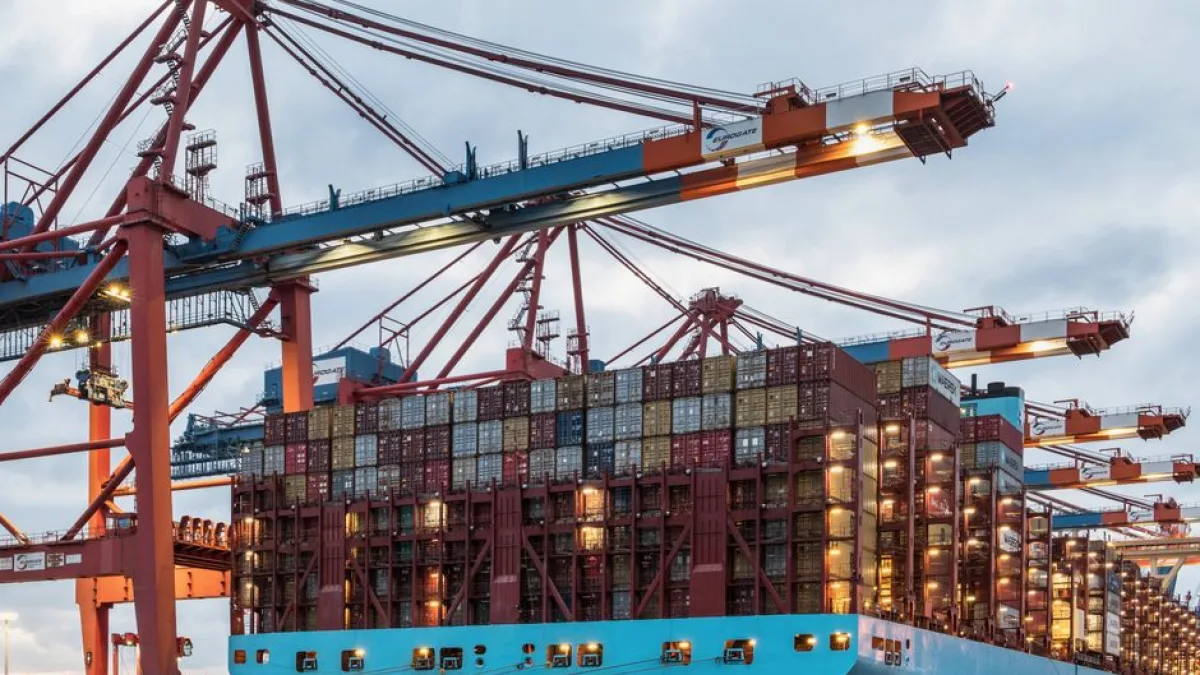
Ocean freight continues to be the backbone of global commerce despite facing significant capacity fluctuations and scheduling hurdles. Modern platforms now offer digitized tracking solutions that reduce manual paperwork errors while providing stakeholders with clear insights into vessel movements and estimated arrival times.
- Automated Booking Systems: Digital portals allow forwarders to secure space instantly by eliminating back and forth emails which saves valuable hours for your team during peak shipping seasons.
- Real-time Visibility Dashboards: Centralized tracking systems provide comprehensive updates on container locations to ensure that all parties remain informed throughout every critical stage of the maritime journey.
- Document Management Automation: Integrated software solutions utilize optical character recognition to digitize bills of lading and invoices which significantly reduces the administrative burden on your back office.
- Carrier Performance Analytics: Advanced data tools measure carrier reliability over time to help you select partners that consistently meet delivery deadlines and service level agreement targets.
Adopting these digital tools empowers freight forwarders to move beyond reactive problem solving. By centralizing operations, you transform static data into actionable intelligence that improves overall service reliability. This shift not only builds stronger trust with your existing client base but also opens doors to new partnerships. Ultimately, the ability to provide seamless communication is the primary differentiator for success in a crowded market.
Leveraging AI for Predictive Analytics

Artificial intelligence is redefining how we approach demand forecasting and route optimization by processing massive datasets in seconds. These advanced systems identify potential disruptions before they impact your bottom line, allowing for proactive adjustments that protect cargo integrity and delivery schedules.
- Predictive Capacity Planning: Machine learning algorithms analyze seasonal trends and market demand to assist forwarders in securing necessary cargo space well before market prices skyrocket.
- Dynamic Route Optimization: Intelligent software continuously monitors global port congestion levels to suggest alternative paths that bypass bottlenecks and minimize transit delays for urgent shipments.
- Cost Mitigation Strategies: Predictive tools identify hidden inefficiencies in your supply chain to help you cut unnecessary expenditures while maximizing profitability for each individual freight booking.
- Risk Management Insights: Automated systems scan geopolitical news and weather patterns to provide early warnings regarding potential hazards that could compromise your client shipments globally.
Integrating artificial intelligence into your daily workflow is about creating a safer and more reliable shipping environment. These systems act as a force multiplier for your human staff by handling complex calculations that would otherwise take days. As technology matures, the gap between traditional forwarders and tech-enabled companies will grow wider, making early adoption a strategic imperative for long-term growth and stability.
Securing Supply Chains with Transparency

Transparency has become the most valuable currency in the freight industry as clients demand full visibility from warehouse to final destination. Providing stakeholders with granular tracking details builds accountability and helps resolve disputes quickly by utilizing a single source of truth for all shipping documentation.
- End-to-End Tracking Access: Clients appreciate having private portals where they can monitor shipments independently without needing to call your office for basic status updates periodically.
- Secure Data Sharing: Modern cloud platforms utilize encryption to protect sensitive shipping information while ensuring that authorized personnel have access to critical documents during transit.
- Standardized Reporting Formats: Consistent reporting metrics help large accounts understand their carbon footprint and logistical performance through clear visual summaries provided directly from your shipping software.
- Instant Notification Alerts: Automated systems trigger alerts immediately if a container deviates from its planned route or if a delay occurs at a major port hub.
Increased transparency fosters stronger relationships with your customers by showing them that you value their time and assets. When you provide clear, verifiable data, you reduce the friction caused by communication silos and missed information. This commitment to openness positions your company as a leader in an industry that has historically been plagued by information gaps, ensuring higher retention and customer loyalty.
Building Scalable Freight Software Workflows

Scaling your freight business requires a robust digital foundation that can handle increased volume without sacrificing quality or accuracy. Cloud based architecture allows your team to collaborate effectively from anywhere in the world while maintaining strict control over permissions and operational standards across all office branches.
- Cloud Collaboration Tools: Team members can access files and status updates simultaneously from multiple locations to ensure that every shipment proceeds smoothly without internal communication bottlenecks.
- Scalable API Integrations: Seamlessly connect your freight software with existing accounting or warehouse management systems to create a unified ecosystem that eliminates redundant data entry tasks.
- Role Based Access Control: Administrative features allow managers to assign specific permissions to employees which ensures that data security remains a priority while streamlining operational tasks.
- Rapid Onboarding Features: Modern platforms include intuitive design elements that reduce the learning curve for new employees so they can contribute to company success almost immediately.
Building a scalable operation is the best way to prepare for future growth and market shifts. By investing in flexible software that adapts to your unique business processes, you avoid the constraints of legacy systems. As you expand your service offerings and global reach, having a centralized digital hub ensures that your operations remain efficient and professional throughout every phase of expansion.
Conclusion

Success in today's logistics sector requires a blend of human expertise and advanced technology. By embracing digital tools, you gain the agility needed to overcome daily challenges and provide exceptional service to your clients. Focus on continuous improvement and leverage cloud solutions to future-proof your business against upcoming industry changes. Start your transformation today and secure your position as a forward-thinking leader in freight.