Navigating the Future of Digital Freight Forwarding Efficiency
Friday, October 9 2026

The global logistics landscape is undergoing a profound transformation driven by rapid technological integration and evolving market demands. For freight forwarders, the pressure to maintain margins while improving service levels has never been higher. Modern challenges require a shift from legacy paper-based processes toward agile, cloud-native platforms that provide real-time visibility. By leveraging automation and data analytics, forwarders can better navigate supply chain volatility and customer expectations. This evolution is not merely about surviving the current market climate but positioning logistics firms to thrive through enhanced operational resilience, increased transparency, and smarter decision-making protocols across every single leg of the global shipping journey.
Optimizing Warehouse Operations

Streamlining warehouse workflows through intelligent software integration remains a critical priority for modern freight businesses. By automating routine inventory tracking and order processing tasks, companies can significantly reduce human error and speed up the movement of goods through their facilities.
- Real-time inventory tracking: Implementing cloud-based systems allows your team to monitor stock levels and cargo movements with high precision, ensuring that data is always updated for your clients.
- Automated warehouse workflows: By digitizing pick-and-pack operations, forwarders can minimize delays while increasing the total volume of processed orders within a single shift for higher profitability.
- Reduced processing errors: Automated validation processes identify discrepancies before they escalate, saving time on administrative corrections and improving overall accuracy across the entire supply chain network.
- Seamless system integration: Connecting your WMS with freight platforms ensures that data flows without friction, providing a unified view of your operations from start to finish.
Adopting these digital tools empowers teams to handle increasing volumes without proportional staffing growth. By consolidating information into a single cloud dashboard, managers can identify bottlenecks and optimize floor space usage effectively. This level of granular control is essential for maintaining competitive advantage in a fast-paced market. Investing in robust infrastructure now will pay dividends as your cargo volume scales over time.
Enhancing Supply Chain Visibility
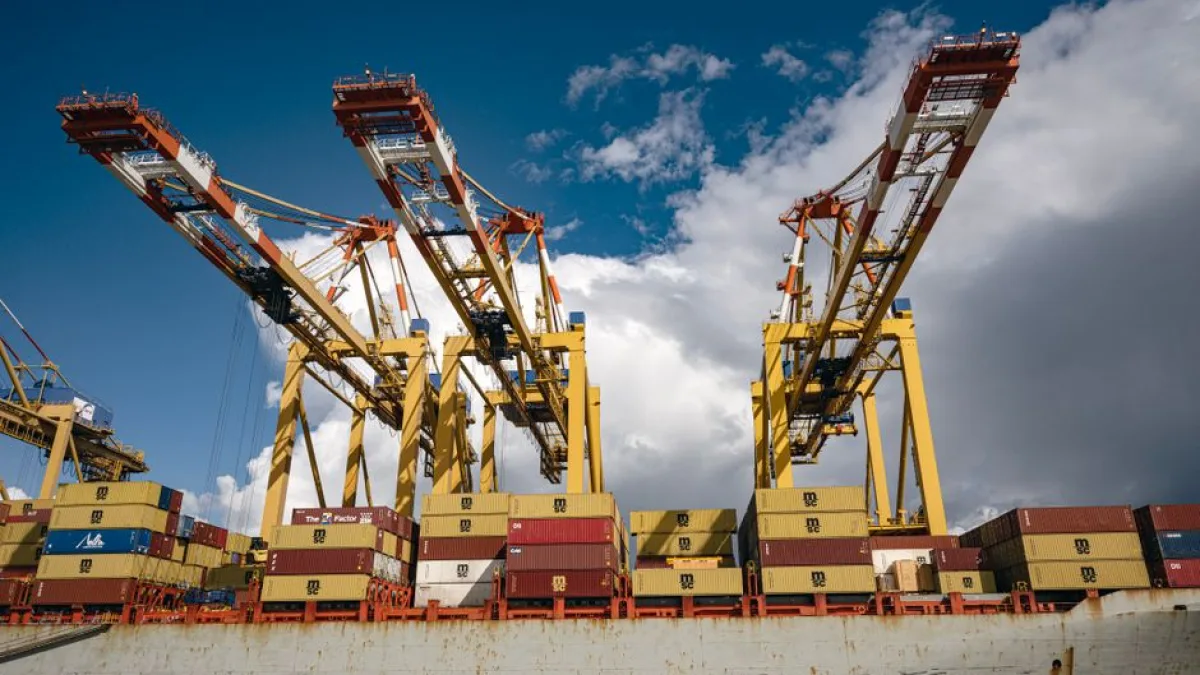
True visibility provides forwarders with the transparency needed to address delays before they impact the final customer experience. Utilizing live tracking data transforms how teams communicate and manage expectations during complex international shipping routes for various global clients.
- Live tracking data: Accessing real-time updates on vessel positions allows your staff to provide proactive communication, which fosters deeper trust and stronger long-term relationships with your shippers.
- Proactive delay management: Early warnings for port congestion or weather disruptions enable your operations team to reroute cargo and minimize costly downtime for your valuable customers.
- Centralized data communication: Consolidating shipment status updates into one interface ensures all team members have access to the same information, eliminating confusion during peak shipping seasons.
- Advanced analytics insights: Leveraging historical tracking data helps identify common patterns of delay, allowing you to optimize future shipping routes for increased efficiency and reliability results.
Visibility serves as the backbone of modern freight forwarding services and improves client satisfaction. When customers receive timely updates regarding their shipments, they feel more confident in your firm's capabilities. This transparency also reduces the burden on your customer service team by decreasing the frequency of manual inquiries. Ultimately, transparency is the key driver for achieving excellence in service delivery today.
Automating Financial Documentation

Financial management often suffers from manual data entry and complex reconciliation tasks that drain productivity. Moving toward automated invoicing and payment processing eliminates these inefficiencies, allowing finance teams to focus on strategic growth rather than repetitive manual bookkeeping chores.
- Automated invoice generation: Systematized billing processes ensure that invoices are created and sent immediately after shipment delivery, which improves cash flow cycles for your freight forwarding business.
- Simplified payment reconciliation: Integrating payment gateways into your platform makes matching funds to invoices simple and accurate, significantly reducing the time spent on manual bank reconciliations.
- Reduced billing disputes: Automated systems generate error-free documents based on actual shipment data, which leads to fewer disputes with clients and faster approval of final payments.
- Enhanced financial reporting: Real-time dashboards provide a clear picture of your financial performance, helping you make informed decisions regarding pricing strategies and operational expenses each month.
Transitioning to automated finance tools mitigates the risk of human errors that often lead to delayed payments and strained cash flow. These digital solutions provide a secure foundation for scaling your logistics enterprise while keeping accounting overhead low. By embracing these efficiencies, your team gains the clarity needed to monitor profitability at a transactional level, ensuring the long-term health of your company.
Leveraging Cloud Collaboration Tools

Internal and external collaboration is the glue that holds complex logistics chains together. By using cloud-based platforms, forwarders can bridge the communication gap between offices, partners, and customers, ensuring everyone stays aligned throughout the entire end-to-end shipment life cycle.
- Centralized document management: Storing all shipping documentation in a secure cloud repository makes information instantly accessible for relevant team members across different geographical regions or branches.
- Instant partner communication: Real-time messaging features integrated directly into shipment files allow for quick coordination with trucking partners, port agents, and customs brokers worldwide for efficiency.
- Unified stakeholder access: Giving customers secure access to a client portal reduces the number of email exchanges, keeping all relevant stakeholders updated on project progress.
- Scalable teamwork solutions: Cloud platforms easily accommodate your growing team, allowing new users to join projects instantly without the need for complex, time-consuming local server setups.
Effective collaboration reduces operational silos that frequently impede progress within large freight organizations. When information is shared seamlessly across the entire network, response times improve and projects move forward with greater momentum. Embracing these cloud-native communication strategies fosters an environment of agility and precision. Your firm will benefit from a more cohesive team and a more reliable service experience for customers.
Conclusion

Embracing digital transformation is no longer optional for firms aiming to lead in the freight industry. By integrating advanced software solutions for operations, visibility, finance, and collaboration, your business can unlock new levels of efficiency and scale. Start evaluating your current processes today to identify which legacy workflows are slowing you down and discover how modern platforms can streamline your future logistics operations.