Navigating the Future of Digital Freight Forwarding Efficiency
Wednesday, October 14 2026
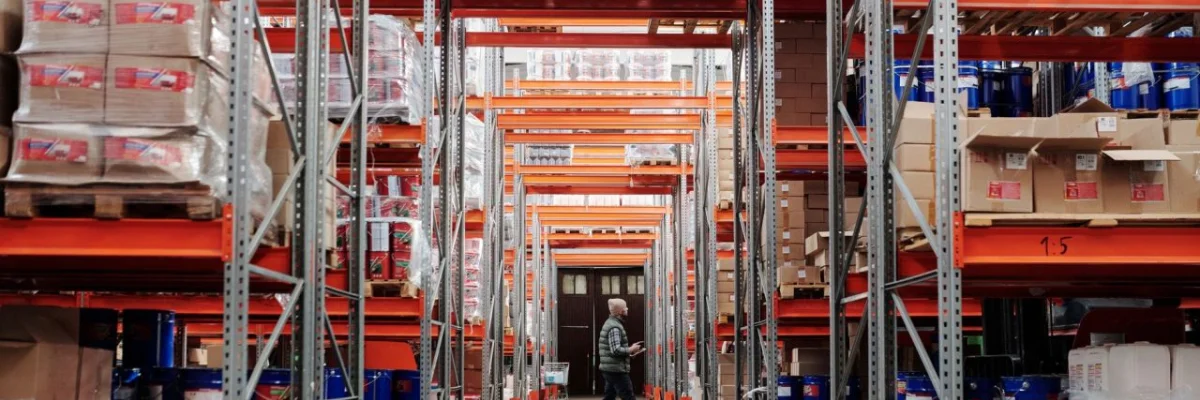
The global logistics landscape is undergoing a massive transformation driven by rapid technological integration and evolving consumer expectations. As freight forwarders face increasing pressure to provide transparency and speed, the reliance on manual spreadsheets is becoming a significant liability for growing firms. Modern platforms like MakeCargo are helping professionals shift from reactive operations to proactive supply chain management. By centralizing data and automating routine tasks, forwarders can now focus on high-value client relationships and strategic scaling. Staying competitive requires not just keeping up with industry trends, but actively adopting tools that optimize operational capacity and ensure long-term profitability in a volatile market.
Modernizing Port Operations
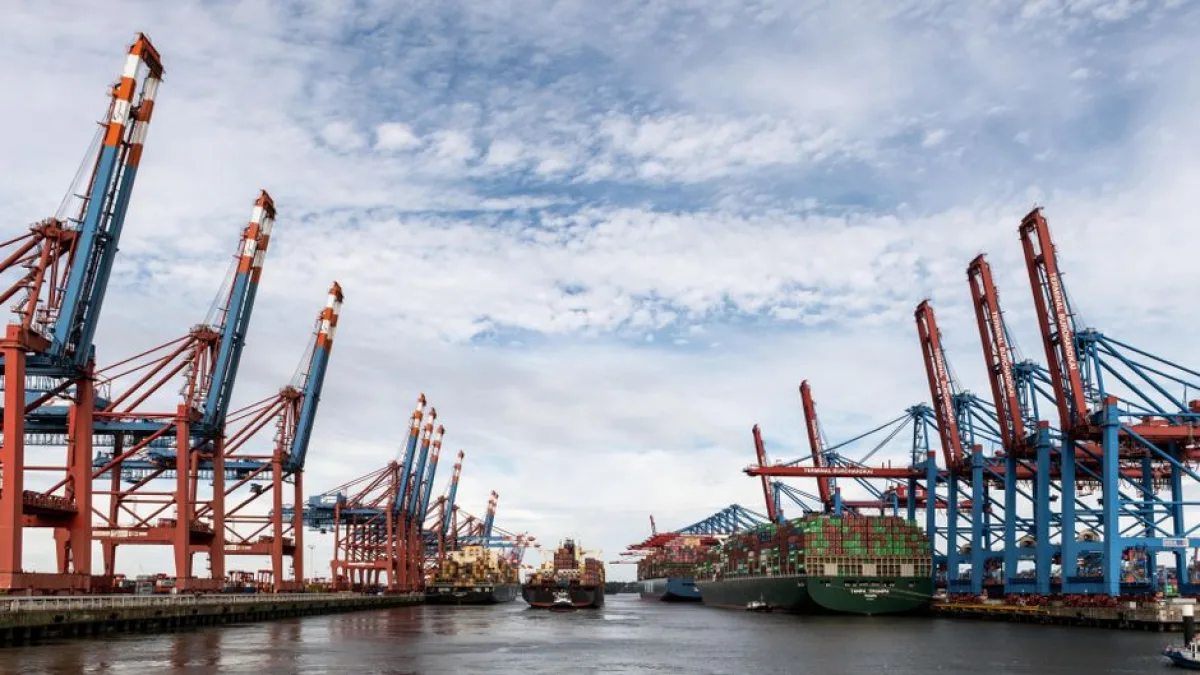
Efficient port operations rely on real-time data flow to manage the movement of millions of containers. Digital tools bridge the gap between physical cargo handling and digital records, ensuring that every shipment is tracked accurately from arrival until final delivery.
- Real-time visibility tools: Integrated tracking systems allow forwarders to see live container status updates, reducing delays and improving communication with clients who demand constant access to their critical inventory data.
- Automated terminal updates: By linking directly with port authorities, software platforms eliminate manual data entry errors, ensuring that all terminal records are precise and updated without any human intervention delay.
- Enhanced cargo security: Advanced monitoring sensors integrated into digital platforms alert logistics teams to tampering or environmental changes, protecting sensitive high-value goods throughout their transit across the global seas.
- Optimized equipment allocation: Smart scheduling algorithms help teams predict port congestion before it happens, allowing for better rerouting strategies that save valuable time and keep operational costs consistently low.
Adopting these advanced port management solutions allows your team to move away from tedious manual tracking processes. When systems talk to each other seamlessly, the margin for error shrinks significantly, and speed becomes a core competitive advantage. Freight forwarders who prioritize digital integration at the port level often find themselves better equipped to handle unexpected disruptions, ensuring that their supply chain commitments are always met with confidence.
Streamlining Documentation Workflows

Documentation remains the backbone of international trade, yet paper-based processes frequently bottleneck the flow of goods. Transitioning to cloud-based document management allows teams to collaborate securely on customs filings, bills of lading, and commercial invoices from any location.
- Centralized document portal: A cloud-based storage system ensures that every team member accesses the latest file versions, preventing confusion and costly mistakes caused by outdated or duplicate document copies.
- Automated compliance checks: Intelligent software scans your paperwork against international regulations, flagging potential issues before they reach customs officials to prevent expensive delays or heavy penalty fines for non-compliance.
- Electronic signature integration: Secure digital signing tools reduce the turnaround time for critical export paperwork, allowing agents to finalize contracts and authorization forms in mere minutes rather than days.
- Encrypted data storage: Secure cloud environments protect sensitive client information from unauthorized access, meeting international security standards while keeping your company data accessible to authorized users only.
The transition toward digital documentation is no longer optional in today fast-paced freight environment. By digitizing every aspect of your paperwork flow, you minimize physical storage needs and dramatically improve retrieval times during audits. This shift allows your logistics team to spend less time shuffling paper and more time managing complex routes, which ultimately improves client satisfaction and increases your overall throughput capacity.
Enhancing Client Transparency

Building long-term client trust is easier when your customers have access to transparent information. Modern portals provide clients with direct visibility into their shipment lifecycle, fostering accountability and reducing the volume of manual status inquiries directed at your staff.
- Client-facing dashboards: Providing your customers with a secure web portal for tracking their shipments empowers them to stay informed independently, which significantly decreases your team daily email volume.
- Instant status notifications: Automated email and SMS alerts keep clients updated on key milestones, ensuring that proactive communication becomes a standard feature of your overall service delivery model.
- Performance analytics reports: Share detailed performance metrics with your regular clients to demonstrate your reliability, using data-driven insights to justify your rates and strengthen the professional business relationship.
- Seamless collaboration features: Integrated messaging tools allow clients to ask questions directly within the shipment file, ensuring that all communications are logged and searchable for future reference purposes.
Transparency is the most effective tool for client retention in the logistics industry. When clients can see the progress of their cargo without having to make constant phone calls, they feel more in control of their own supply chains. This high level of service differentiates your freight forwarding business from competitors, establishing a reputation for reliability that attracts new partners and retains existing ones.
Automating Financial Operations

Financial health depends on accurate invoicing and timely payments. Automating your billing processes helps forwarders maintain consistent cash flow by reducing the time between job completion and client payment, effectively streamlining the entire financial management cycle from end to end.
- Automated invoice generation: Systematically creating invoices based on completed freight jobs reduces human error, ensuring that your financial data remains accurate and aligned with operational records for every shipment.
- Seamless payment processing: Integrated payment gateways allow your international clients to pay invoices securely online, accelerating your cash cycle and reducing the administrative burden of chasing down late payments.
- Accurate currency conversion: Managing international shipments often involves multiple currencies, and automated calculation tools ensure that your rates remain competitive and accurate despite fluctuating global exchange rate markets.
- Comprehensive financial reporting: Advanced tools provide a snapshot of your profit and loss, helping management make informed financial decisions that support sustainable company growth and long-term success.
Managing the financial aspects of freight forwarding is a complex task, but automation simplifies this chore significantly. By tracking every cost and invoice in a unified system, your accounting team gains total clarity on company performance. This financial control enables you to reinvest in your business, improve your service offerings, and navigate seasonal economic cycles with much greater stability and deeper confidence.
Conclusion

Modernizing your logistics operations through cloud technology is the most effective way to scale a successful freight forwarding business today. By automating manual processes and improving overall visibility, your team can achieve greater efficiency while delighting your clients with reliable service. Explore MakeCargo today to learn how our platform can help you optimize your freight workflows, increase your profit margins, and secure your future.