Navigating the Future of Digital Freight Forwarding
Friday, October 16 2026
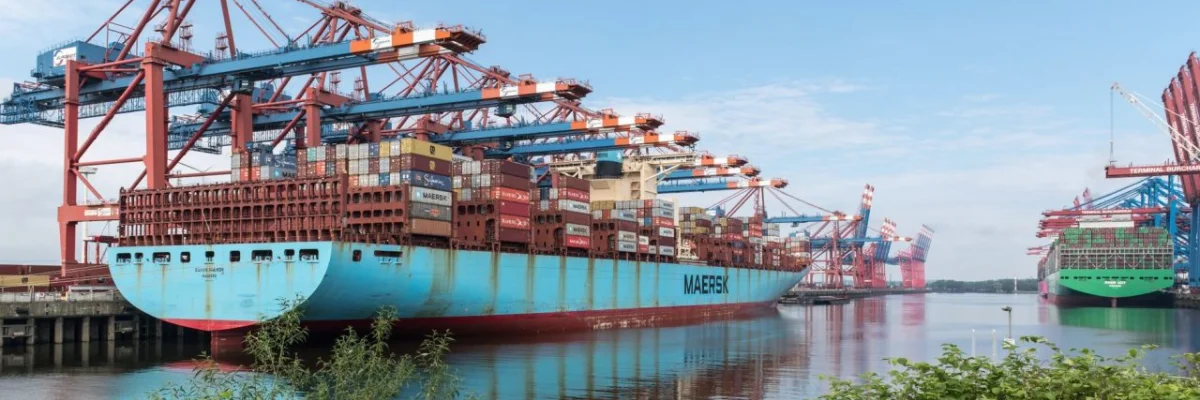
The logistics landscape is shifting rapidly as global trade demands become more complex and data driven than ever before. For modern freight forwarders, the pressure to maintain visibility while managing volatile supply chain costs requires a robust digital transformation strategy. Organizations that fail to adopt integrated cloud platforms risk falling behind in an increasingly competitive market where speed and transparency are the primary drivers of client retention. This industry update explores how emerging technologies and strategic operational adjustments are currently reshaping the way forwarders handle documentation, capacity planning, and long term logistics network resilience.
Embracing Cloud Integration

Modern cloud platforms act as a central nervous system for freight operations by unifying fragmented data streams into a single source of truth. This connectivity ensures that teams can access real time information without relying on outdated and manual legacy systems.
- Enhanced data accuracy: Centralized cloud platforms eliminate redundant manual data entry, reducing the probability of human error and ensuring that all stakeholders access current information throughout the shipping lifecycle process.
- Improved team collaboration: Cloud based systems allow global teams to work together in real time, breaking down communication silos that often lead to delayed responses and operational inefficiencies.
- Scalable infrastructure growth: Moving to the cloud provides forwarders with the flexibility to scale their IT resources as their business volume increases without significant capital investment in physical servers.
- Robust security protocols: Modern software providers implement advanced encryption and automated backups, protecting sensitive client data from cyber threats and ensuring compliance with international data privacy regulations and standards.
By migrating to integrated cloud architectures, freight forwarders create a foundation for continuous operational improvement and agility. These systems transform raw logistics data into actionable insights, allowing management to make informed decisions that optimize profit margins. As global supply chains continue to evolve, the ability to pivot resources quickly based on accurate digital feedback becomes the primary differentiator for successful forwarding enterprises today.
Optimizing Cargo Visibility
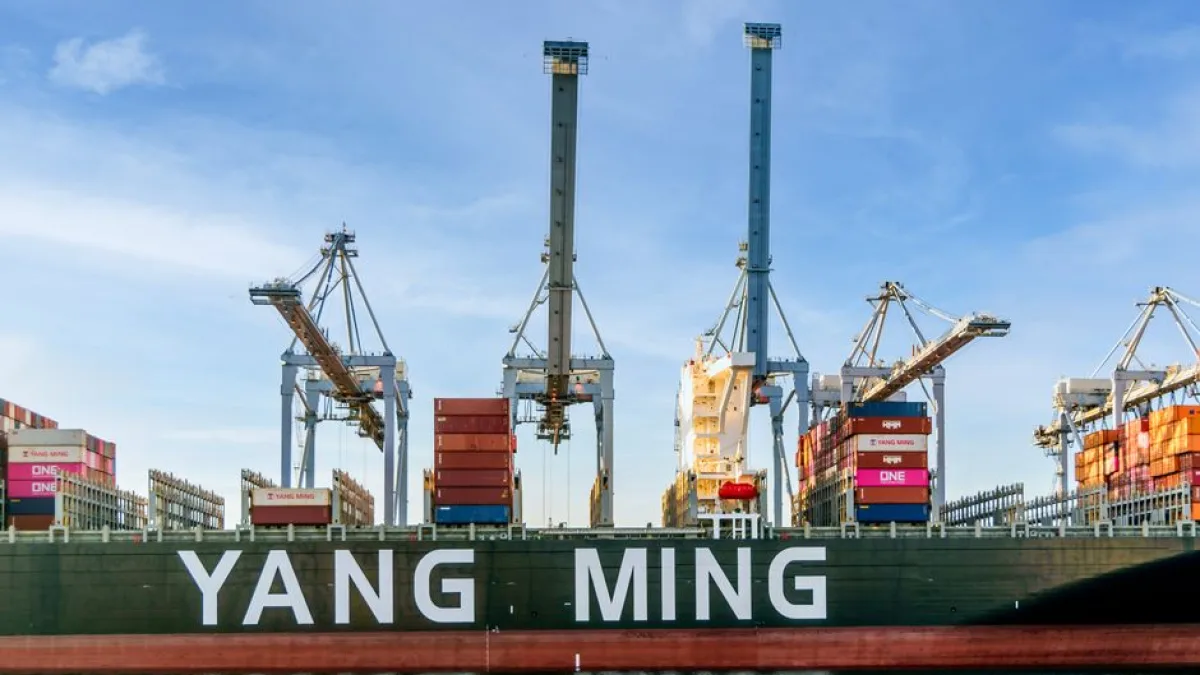
Real time tracking and advanced visibility tools are no longer optional luxuries but core requirements for clients who demand total transparency regarding their goods in transit. These digital solutions provide a competitive edge in managing modern supply chain expectations.
- Real time tracking: Advanced digital platforms provide live status updates for every shipment, allowing forwarders to proactively communicate potential delays to their clients before they become major issues.
- Automated status notifications: System generated updates ensure that all stakeholders remain informed throughout the journey, significantly reducing the administrative burden of handling individual status requests from worried shippers.
- Integrated carrier portals: Direct software links to carrier networks allow for instant visibility across multiple transport modes, providing a comprehensive view of the entire global supply chain network.
- Predictive delay analytics: Machine learning algorithms analyze historical patterns to predict potential disruptions, enabling forwarders to suggest alternative routing options to maintain strict delivery schedules for valuable cargo.
Total transparency creates trust and long term loyalty between freight forwarders and their demanding customers. By leveraging these visibility tools, companies can proactively address transit challenges and maintain high service levels during unpredictable market shifts. Investing in these technologies signals to the global market that a forwarder is prepared to handle the complexities of modern logistics with precision, reliability, and superior control.
Automating Administrative Tasks

Automation is the most effective method for reducing the heavy administrative workload that often plagues logistics operations. By removing repetitive manual tasks, forwarders can empower their staff to focus on high value activities like client acquisition and strategy development.
- Automated documentation processing: Intelligent software recognizes and populates key fields in shipping documents, drastically reducing the time spent on manual data entry and minimizing errors in critical paperwork.
- Streamlined invoice generation: Automated billing systems calculate complex tariffs and service fees instantly, accelerating the cash flow cycle and reducing the time spent on manual accounting reconciliation tasks.
- Efficient compliance reporting: Automated workflows ensure that all shipments meet international customs requirements, reducing the risk of fines and preventing costly delays at critical border crossing points.
- Smart task management: Automated internal alerts remind employees about important deadlines, ensuring that no document submission or client communication is ever missed during the busy working week.
When repetitive administrative burdens are lifted, internal productivity increases and employee morale improves significantly across the organization. This shift allows forwarding professionals to dedicate their expertise to solving complex supply chain problems rather than processing files. Adopting automation is essentially a strategy for operational survival in a market where efficiency and speed dictate who captures the most profitable shipping volume every month.
Building Operational Resilience
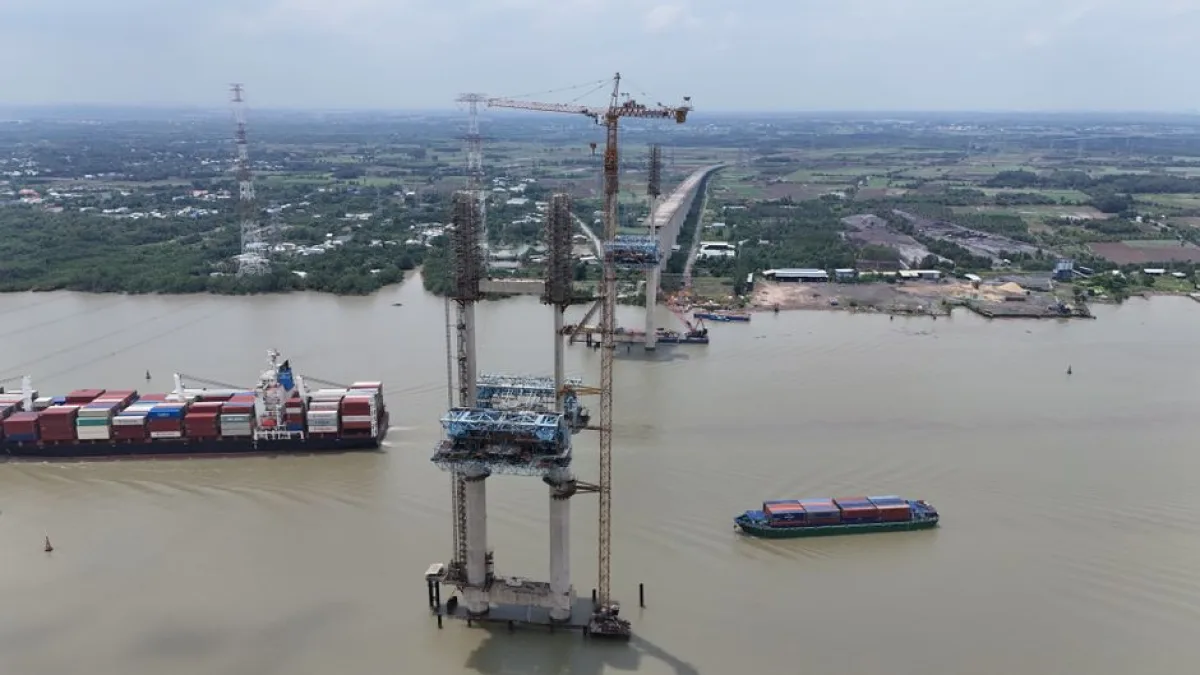
Operational resilience is the ability of a forwarder to withstand market volatility and external shocks while continuing to serve clients effectively. Building this capacity requires a strategic combination of diverse carrier partnerships and agile software management tools.
- Diverse carrier relationships: Maintaining a broad network of transport partners allows forwarders to switch routes quickly during localized strikes or global shipping disruptions, ensuring business continuity for their clients.
- Dynamic route planning: Agile software solutions allow for instant recalculation of transportation paths, helping forwarders navigate around unexpected geopolitical tensions or weather events that block major trade routes.
- Risk management frameworks: Proactive planning involves constant monitoring of global trade trends, allowing forwarders to anticipate shifts in demand and adjust their internal capacity accordingly for maximum efficiency.
- Financial health monitoring: Digital dashboards provide real time views of profitability per shipment, enabling forwarders to identify high risk lanes and adjust pricing strategies to maintain steady business revenue.
Resilience is not merely about surviving the next crisis, but about positioning a firm to thrive when conditions stabilize. By combining agile software with a diverse network, freight forwarders ensure that their operations remain robust regardless of global volatility. This proactive approach turns potential threats into opportunities for service excellence, proving the immense value that a strategic forwarding partner brings to a supply chain.
Conclusion

Successful freight forwarders are defined by their ability to embrace digital transformation and adapt to changing global demands. By integrating cloud technology, prioritizing cargo visibility, automating tasks, and building operational resilience, you position your business for long term growth. Start leveraging these powerful digital tools today to streamline your operations, improve client satisfaction, and gain a significant advantage in the competitive global logistics industry.