Navigating the Future of Digital Freight Forwarding in 2024
Wednesday, October 21 2026
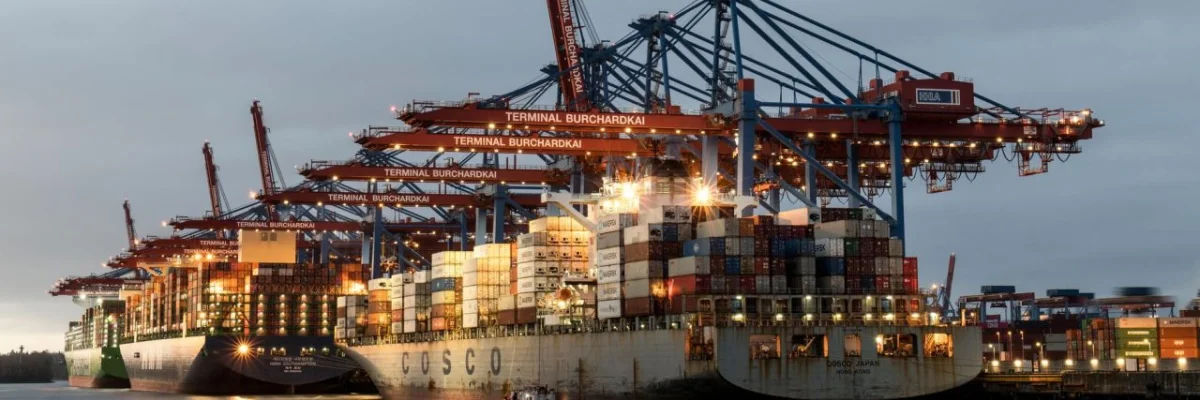
The global logistics landscape is undergoing a radical transformation as digital innovation becomes the primary driver of operational efficiency. Freight forwarders are increasingly moving away from legacy spreadsheet systems toward integrated cloud-based platforms that offer real-time visibility and automated documentation workflows. This shift is not merely a preference for modern aesthetics but a tactical necessity for firms aiming to maintain competitive margins in an era of volatile market conditions and heightened customer expectations. As we delve into the core technological pillars supporting this change, industry leaders must prioritize scalability and data integrity to ensure long-term resilience across their global supply chain networks.
The Rise of Automated Documentation
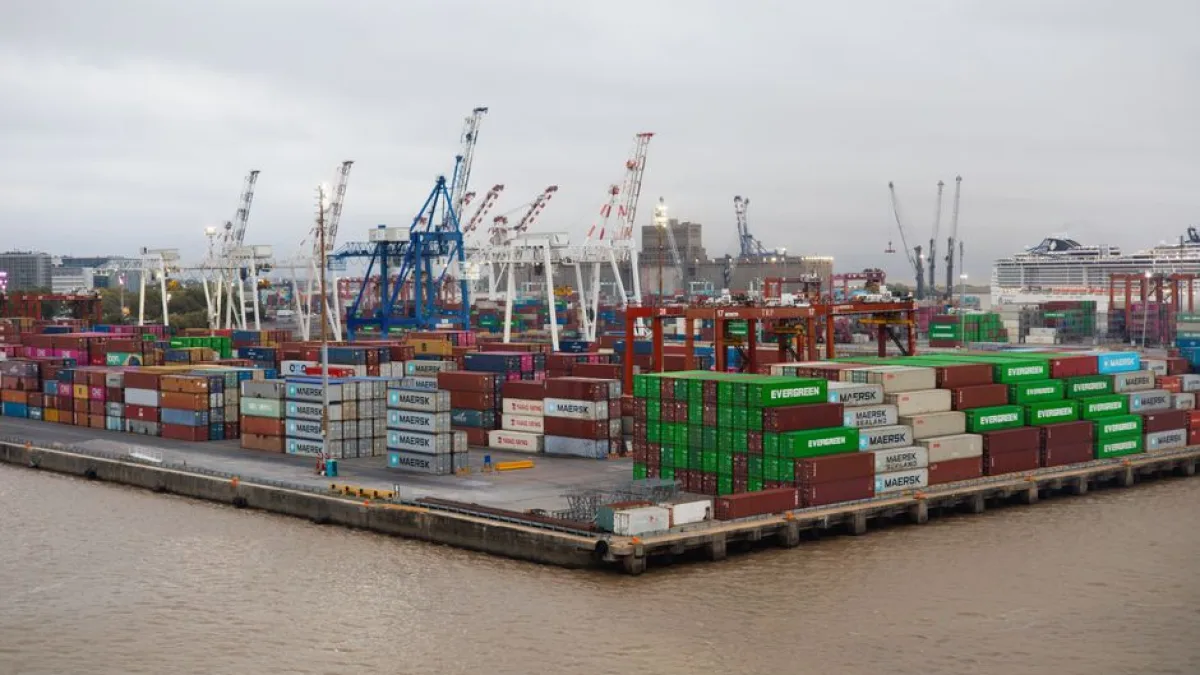
Manual data entry remains a significant bottleneck for most logistics companies, often leading to costly human errors and shipment delays. Automating the ingestion and processing of essential shipping documents allows teams to focus on high-value tasks while drastically reducing administrative overhead.
- Enhanced Data Accuracy: Automated systems utilize optical character recognition to extract key shipment details, ensuring that every invoice and bill of lading is processed without manual input mistakes.
- Faster Processing Cycles: Streamlined workflows reduce the time spent on document verification from hours down to mere minutes, significantly speeding up the customs clearance and billing processes.
- Reduced Operational Costs: Eliminating redundant manual labor allows firms to reallocate staff to strategic growth initiatives rather than focusing on repetitive data entry and file management tasks.
- Improved Compliance Standards: Centralized digital platforms maintain a clear audit trail for every processed document, making it easier for companies to adhere to international shipping regulations.
Adopting automated documentation solutions provides a clear pathway toward operational excellence by removing friction from the daily workflow. These systems act as the digital backbone for modern forwarders, ensuring that information flows seamlessly between stakeholders without the threat of lost files or data silos. By embracing this transition now, logistics providers can effectively future-proof their operations against the growing complexity of international trade requirements.
Real-Time Supply Chain Visibility

Transparency is no longer a luxury but a fundamental demand from modern shippers who require granular updates on their cargo locations. Utilizing cloud-native software allows forwarders to provide stakeholders with live, accurate data throughout the entire journey of any shipment.
- Proactive Incident Management: Live tracking feeds empower teams to anticipate potential bottlenecks or port delays before they escalate, allowing for quick rerouting and effective contingency planning solutions.
- Unified Tracking Dashboards: Centralized visibility tools consolidate data from multiple carriers into a single screen, providing a cohesive view of global operations for both staff and clients.
- Enhanced Client Trust: Sharing real-time tracking links with customers fosters deeper transparency, building long-term relationships through constant updates and reliable delivery expectations during complex global transport.
- Optimized Asset Utilization: Clear visibility into shipment status helps logistics managers optimize container usage and vessel scheduling, leading to better capacity planning and reduced overall transit costs.
Providing deep visibility into the supply chain transforms the relationship between forwarders and their clients from a transactional process into a strategic partnership. When information is accessible, accurate, and available on demand, stakeholders can make better-informed decisions that impact their bottom line. This level of connectivity serves as a major differentiator, allowing forwarders to secure more business by proving their operational transparency.
Cloud Integration for Global Operations

Cloud-based architecture is the foundation for modern freight forwarding, enabling teams to collaborate from anywhere in the world. By moving away from local servers, businesses gain the flexibility needed to scale their operations rapidly in response to market changes.
- Remote Collaboration Tools: Cloud platforms enable logistics teams to work across time zones seamlessly, ensuring that documentation and communication remain synchronized for all global office locations.
- Instant Software Updates: Web-based applications receive regular feature enhancements automatically, meaning your business always benefits from the latest security patches and functionality without any manual installation.
- Scalable Storage Capacity: Growing your business is easier with cloud infrastructure that adapts to your needs, allowing you to store massive amounts of shipping data securely.
- Data Security Resilience: Leading cloud providers utilize advanced encryption and frequent backups, ensuring that your critical client data remains protected against physical damage or cyber threats.
The transition to cloud-native operations is the single most important step for forwarders looking to modernize their internal systems. By removing the barriers of location and local hardware limitations, firms become more agile and responsive to the needs of international commerce. This approach creates a robust environment where growth is supported by technology, rather than being hindered by the constraints of legacy infrastructure.
Data Analytics for Strategic Growth

Data is the most valuable asset a logistics provider holds, yet much of it remains locked away in unorganized files. Advanced analytics tools help translate historical shipping data into actionable insights that drive smarter pricing strategies and improved service delivery models.
- Predictive Pricing Models: Analyzing historical shipping lane costs and market trends allows forwarders to offer competitive quotes that reflect current demand levels while protecting their overall profit.
- Performance Metric Tracking: Monitoring key performance indicators like on-time delivery rates or document processing speeds provides a clear picture of internal efficiency and areas for improvement.
- Client Behavior Analysis: Understanding the unique shipping patterns of your customers enables personalized service offerings and targeted sales efforts to increase revenue and long-term client retention.
- Resource Allocation Strategy: Insights derived from shipment volume data help management deploy staff and capital more effectively to the lanes that offer the highest financial returns.
Harnessing the power of data allows freight forwarders to evolve from reactive service providers into proactive business advisors for their clients. By identifying trends early and optimizing every aspect of the shipping lifecycle, companies can achieve sustainable profitability in a crowded market. This strategic focus on data-driven management is essential for any professional firm aiming to lead in the evolving digital age.
Conclusion

The future of freight forwarding rests on the successful integration of digital technologies and data-centric strategies. By automating documentation, enhancing visibility, utilizing cloud resources, and leveraging analytics, firms can overcome modern logistics hurdles. Now is the time to evaluate your current software stack and embrace the tools that drive efficiency. Contact the MakeCargo team today to start your digital transformation journey with us.