Navigating the Future of Digital Freight Forwarding Efficiency
Friday, October 23 2026

The global logistics landscape is undergoing a massive transformation driven by the rapid adoption of cloud-based freight forwarding technology. Professionals today face increasing pressure to balance operational agility with client demands for real-time visibility and accurate tracking. Moving away from legacy systems to integrated digital platforms is no longer a luxury but a fundamental necessity for companies aiming to remain competitive. By leveraging modern software solutions, forwarders can automate complex documentation workflows, reduce manual errors, and foster deeper collaboration with partners. Embracing these innovations ensures that logistics providers can scale their businesses efficiently while navigating the complexities of modern international trade requirements.
Optimizing Global Supply Chain Flows
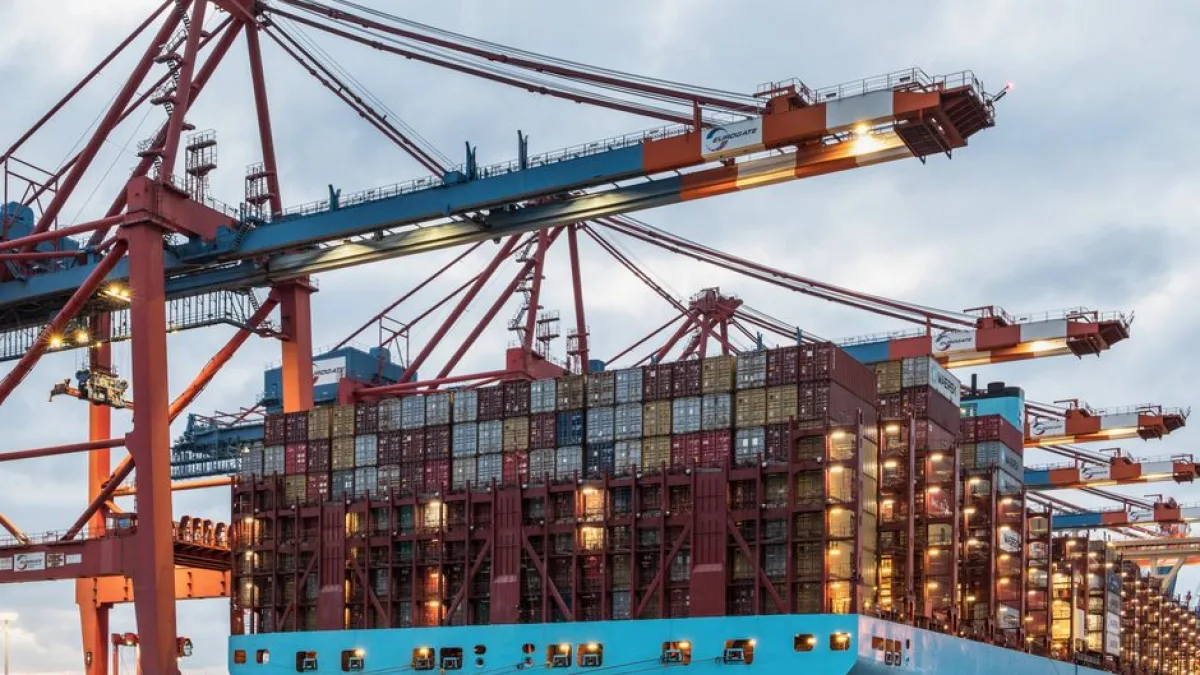
Port operations represent the heartbeat of international trade, where efficiency dictates the overall speed of the supply chain. Digital tools allow managers to coordinate movements seamlessly, ensuring that bottlenecks are identified early and mitigated through proactive data-driven communication strategies daily.
- Automated Data Entry: Implement systems that automatically extract information from shipping documents to eliminate manual keying errors and significantly reduce processing time for your entire logistics operations department.
- Real-time Vessel Tracking: Integrate live tracking data directly into your dashboard to provide clients with accurate arrival estimates and transparent updates throughout the entire ocean transit process.
- Resource Allocation Tools: Utilize software to monitor equipment availability and labor hours to ensure your team is deployed efficiently across all active port and terminal operations.
- Proactive Risk Mitigation: Leverage predictive analytics to identify potential disruptions in shipping lanes before they impact your clients, allowing for swift and effective contingency planning measures.
By shifting focus toward automation and real-time data visibility, forwarders gain a substantial advantage in a crowded market. These improvements do not just enhance speed; they fundamentally build trust with shippers who require transparency in every transaction. As operations become more refined, the business can handle larger volumes without increasing headcount, ultimately driving higher profit margins while maintaining a superior level of service across every single shipment.
Revolutionizing Customs Clearance Procedures

Customs clearance remains one of the most complex hurdles in freight forwarding, often leading to significant delays. Modern digital platforms simplify this by digitizing compliance checks and integrating directly with national customs databases to facilitate faster document processing and approval.
- Integrated Compliance Checks: Use automated software modules to verify all shipping documents against international trade regulations, preventing costly compliance errors and potential fines for your business.
- Digital Document Storage: Maintain a centralized and secure repository for all customs records, ensuring that essential paperwork is always available for audits or quick verification purposes.
- Direct Customs Integration: Connect your freight management platform directly to government portals to submit electronic declarations, which reduces administrative work and accelerates the overall clearance speed.
- Tax Calculation Accuracy: Employ built-in logic to determine accurate duties and taxes for specific cargo types, helping your clients manage their landed costs with total confidence.
Streamlined customs processes turn a typical administrative burden into a competitive strength for modern freight forwarders. By removing the guesswork from tariff classifications and document submission, staff members can focus on higher-value client interactions. This shift minimizes the risk of cargo being held at borders, ensuring that supply chains keep moving forward and that your reputation for reliability remains exceptionally high.
Enhancing Client Collaboration and Communication

Building strong relationships with clients relies on clear and consistent communication channels. Modern software provides client portals where shippers can view shipment statuses and download documents independently, reducing the need for constant phone calls and repetitive status update emails.
- Secure Client Portals: Offer your customers a dedicated login area where they can monitor active shipments and download invoices without needing to contact your internal staff.
- Instant Notification Alerts: Configure automatic status updates that reach your clients instantly via email or SMS whenever a specific milestone is reached during the transit process.
- Interactive Reporting Dashboards: Provide clients with visual data regarding their shipping volumes and transit times to help them make informed decisions about their logistics strategy regularly.
- Simplified Query Resolution: Manage all client inquiries within a unified messaging system, ensuring that every request is tracked and answered promptly by the appropriate team member.
Empowering clients with self-service tools fosters loyalty and long-term partnerships in a way that traditional methods cannot replicate. When shippers have direct access to their own data, they feel more in control of their supply chain activities. This transition reduces the administrative strain on your customer support team, allowing them to provide more personalized assistance for complex logistics problems as they arise.
Building Scalable Logistics Infrastructure

Scaling a freight forwarding business requires a robust digital architecture capable of handling growth without compromising performance. Cloud-based platforms provide the necessary flexibility to add new users, expand into new markets, and integrate with emerging logistics technologies quite easily.
- Seamless Cloud Integration: Transition your operations to the cloud to ensure your entire team can access essential data from any location, supporting remote or global work.
- Scalable Software Features: Choose platforms that offer modular functionality, allowing you to add new features as your company expands into different transportation modes or new regions.
- API Driven Ecosystems: Connect your primary software with third-party carriers and insurance providers through robust APIs, creating a unified and highly efficient global logistics technology ecosystem.
- Enhanced Data Security: Protect sensitive client and shipment data with advanced encryption protocols and regular security updates, ensuring your infrastructure stays compliant with global privacy standards.
A scalable infrastructure ensures that your business can thrive regardless of market fluctuations or unexpected changes in demand. By investing in modern cloud technology now, you prepare your firm for long-term growth and success in a highly digital world. Focus on building systems that grow alongside your ambitions, enabling you to deliver exceptional freight services to clients across the globe every day.
Conclusion

Digital transformation remains the most critical step for freight forwarders looking to secure their future in a complex global market. By embracing advanced software, firms can optimize workflows, improve client satisfaction, and scale effectively. Transitioning to integrated platforms is the smartest way to ensure long-term relevance. Contact our experts today to learn how MakeCargo can help elevate your freight operations to the next level.