Navigating the Future of Digital Freight Forwarding Efficiency
Thursday, October 29 2026
The global logistics landscape is undergoing a rapid transformation as digital integration becomes a necessity rather than an optional luxury. Freight forwarders are increasingly facing pressure to optimize operations while managing volatile market conditions and heightened customer expectations for transparency. Moving beyond manual spreadsheet tracking requires a shift toward integrated, cloud-based software platforms that offer real-time visibility and automated workflows. By embracing these technological advancements, professionals in the logistics sector can significantly reduce human error, enhance operational agility, and build stronger relationships with global shipping partners, ultimately securing a competitive advantage in a complex and ever-changing international market.
Modernizing Terminal Operations
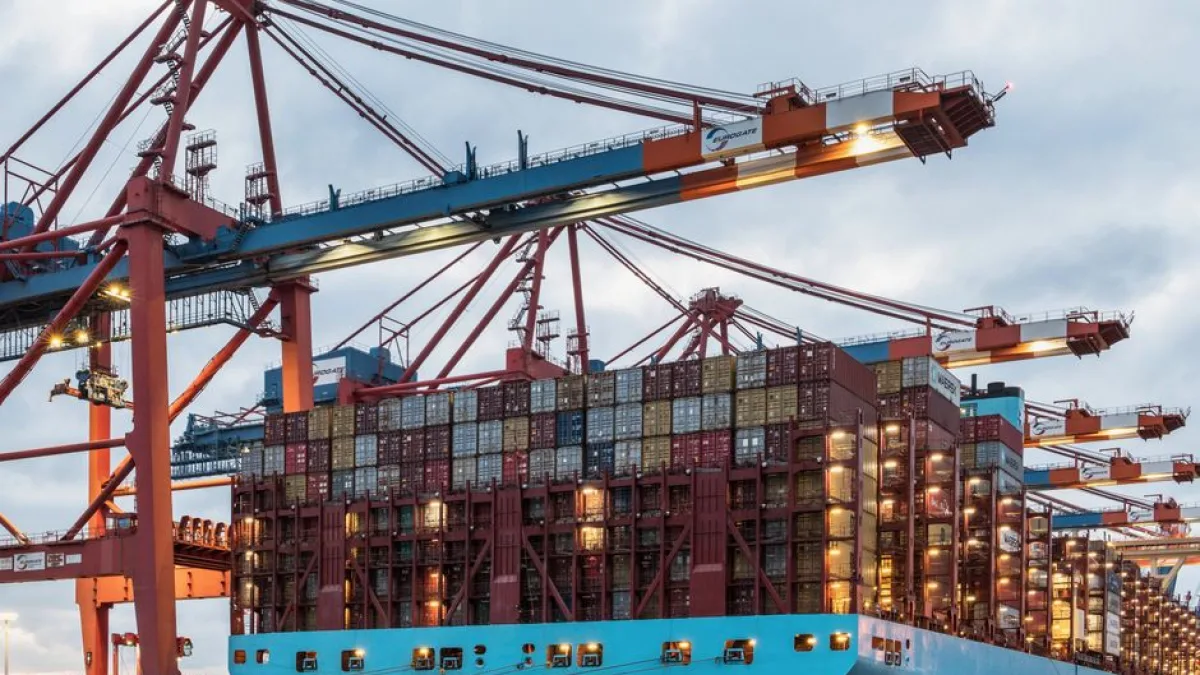
Port terminals are rapidly adopting new digital infrastructure to handle increased volume and reduce turnaround times. This technological evolution directly impacts freight forwarders by ensuring smoother cargo handovers, faster processing speeds, and improved data accuracy across the entire supply chain.
- Automated Gate Access: Modern port facilities now implement biometric and RFID systems to streamline truck traffic, reducing long wait times and ensuring faster arrival at designated loading zones.
- Digital Documentation Flows: Transitioning from physical paperwork to electronic data interchange allows terminal operators to process cargo information before the actual arrival of the shipment at terminals.
- Real-time Vessel Tracking: Integration with satellite monitoring services provides forwarders with precise updates on vessel positions, allowing for proactive adjustments to road transport and warehouse capacity planning.
- Predictive Capacity Planning: Data analytics tools enable terminal operators to forecast potential bottlenecks, helping forwarders shift their schedules to avoid costly delays during peak shipping seasons.
Optimizing how you interact with port terminals is fundamental to maintaining a high-performance logistics business. As ports continue to invest in automated technologies, forwarders must ensure their internal systems are fully compatible with these new digital protocols. This synergy between terminal operations and software platforms prevents information gaps, lowers operational costs, and guarantees that your cargo remains moving consistently throughout its complex international journey.
Harnessing Data for Transparency

Data visibility is the primary pillar of modern freight forwarding success. By utilizing advanced reporting tools, companies can transform raw logs into actionable insights that drive smarter decision-making, improve customer trust, and streamline communication between all logistical stakeholders.
- Instant Shipment Visibility: Cloud software provides clients with live dashboards that display exact cargo locations, reducing manual status requests and improving the overall client experience during transit.
- Detailed Cost Analysis: Granular reporting allows managers to identify hidden expenses in shipping lanes, providing the leverage needed to negotiate better rates with carriers and vendors.
- Automated Status Alerts: Proactive notification systems send instant updates regarding milestones or delays, keeping all relevant parties informed without requiring the forwarder to send manual emails.
- Performance Metric Tracking: Monitoring key performance indicators helps identify internal inefficiencies, allowing teams to refine their operational processes and maintain high service standards for every shipment.
Data-driven logistics is no longer a futuristic concept but a vital requirement for staying relevant. When you centralize your information within a secure cloud environment, you create a single source of truth for your entire team and your valued clients. Leveraging this data transparency not only improves operational efficiency but also distinguishes your brand as a reliable, tech-forward leader in the global market.
Streamlining Compliance Procedures

Navigating the maze of international trade regulations requires precision and speed. Automated compliance tools are now essential for mitigating risk, ensuring that every shipment meets local customs requirements, and avoiding the heavy penalties associated with documentation errors.
- Integrated Customs Filing: Direct connectivity between freight software and government portals speeds up the customs clearance process, significantly reducing the likelihood of cargo being held at borders.
- Regulatory Update Notifications: Automated systems monitor global trade laws and alert staff immediately when policies change, ensuring that your documentation remains accurate and fully compliant always.
- Error Detection Software: Advanced verification algorithms scan shipping documents for inconsistencies before submission, catching potential mistakes that would otherwise lead to expensive delays or legal issues.
- Secure Archiving Systems: Maintaining digital audit trails ensures that all historical customs documentation is organized, accessible, and ready for inspection whenever local authorities request specific records.
Maintaining regulatory compliance is perhaps the most critical responsibility for any professional freight forwarder. By leveraging software that automates the verification of shipping documents, you protect your company from unnecessary financial liabilities and reputational damage. This structured approach to handling customs requirements empowers your team to focus on core growth activities while the software manages the complex details of international border compliance.
Scaling Through Cloud Software

Transitioning to cloud-based logistics software allows freight forwarders to scale operations effortlessly. Whether you are managing small shipments or massive enterprise accounts, cloud solutions provide the flexibility, security, and integration capabilities necessary for long-term business sustainability and success.
- Remote Access Capability: Cloud platforms enable team members to monitor cargo status from any location, fostering better collaboration and allowing for seamless management of global shipping operations.
- Instant Software Scaling: As your shipping volume grows, cloud solutions adapt to increased data demands without requiring expensive server upgrades or complex hardware maintenance from your staff.
- Enhanced Data Security: Enterprise-grade encryption ensures that your sensitive shipping information remains protected against cyber threats, providing peace of mind for both you and your clients.
- Seamless Third-party Integration: Modern platforms easily connect with accounting, tracking, and carrier software, creating a unified ecosystem that eliminates the need for redundant manual data entry tasks.
Adopting a cloud-first strategy provides the agility needed to respond to changing market conditions with confidence. By removing the constraints of traditional on-site infrastructure, your logistics business becomes faster, more secure, and infinitely more scalable. Implementing these digital solutions today positions your company at the forefront of innovation, ensuring that you can efficiently manage the demands of future global trade requirements and competition.
Conclusion

Successful freight forwarding requires a relentless commitment to digital modernization and operational agility. By integrating cloud-based software into your daily workflows, you gain the transparency, compliance, and scalability necessary to thrive in a competitive industry. Start optimizing your logistics operations today by exploring how advanced digital tools can refine your processes and help you deliver exceptional results for your global shipping clients.