Navigating the Future of Digital Freight Forwarding in 2025
Saturday, September 5 2026
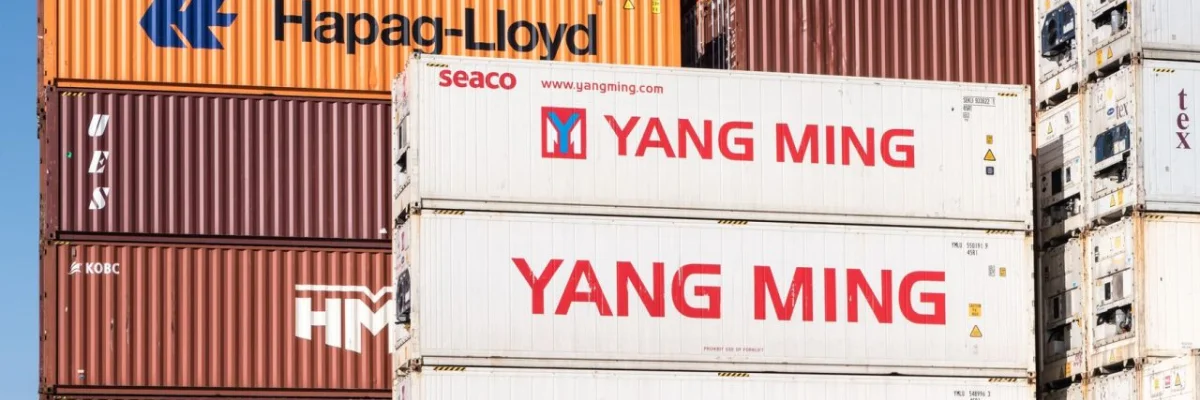
The global logistics landscape is undergoing a profound transformation driven by rapid technological adoption and changing consumer demands. Freight forwarders are currently facing pressure to abandon legacy manual processes in favor of cloud-based digital infrastructure that ensures transparency and speed. As supply chain complexities mount, professionals who leverage real-time data analytics and automated document management will gain a significant competitive edge. This shift is not merely an optional upgrade but a fundamental requirement for companies aiming to thrive amidst fluctuating market conditions and increasing international regulatory scrutiny within the modern shipping sector.
Accelerating Digital Transformation

Digital transformation serves as the backbone of modern freight operations, allowing firms to replace fragmented spreadsheet workflows with unified software environments. By centralizing communication and documentation, forwarders can significantly reduce manual errors and improve team coordination across various global time zones.
- Automated Workflow Efficiency: Integrated software solutions automate routine administrative tasks, allowing teams to focus on complex logistics challenges rather than wasting valuable time on repetitive data entry and manual filing.
- Cloud Data Access: Storing shipment documents in a secure cloud environment ensures that all authorized stakeholders can access critical information instantly from any location around the world today.
- Real-time Visibility Tools: Advanced tracking modules provide immediate updates on shipment statuses, enabling forwarders to proactively inform their clients about potential delays before they escalate into major issues.
- Unified Communication Channels: Centralized messaging systems eliminate the frustration of searching through scattered email chains, keeping every team member aligned and informed about the specific details of shipments.
Adopting these digital tools transforms how forwarders handle their daily tasks by creating a scalable infrastructure that grows with the business. As teams move away from disconnected systems, they gain the ability to process more volume without needing to increase their administrative headcount. This strategic move fosters long-term growth and positions forwarders as essential partners in the global trade ecosystem for years to come.
Enhancing Supply Chain Transparency
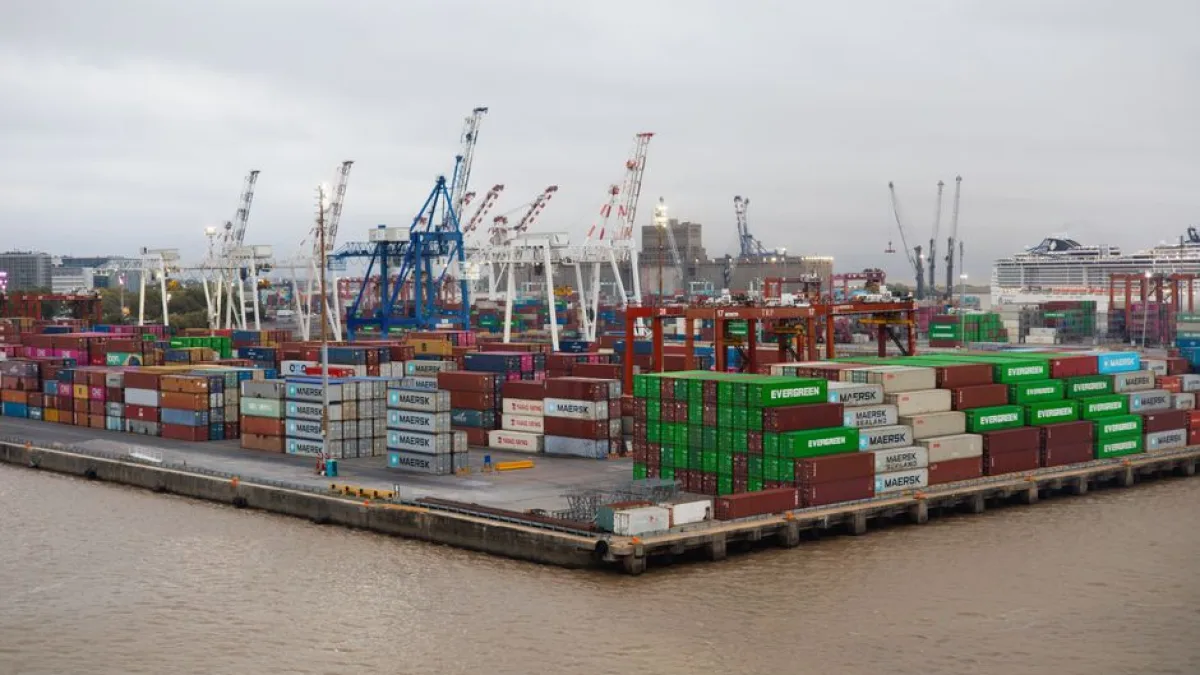
Transparency has become the primary metric by which shippers evaluate their forwarders, demanding constant updates on the location and safety of their goods. Providing live visibility helps build deep trust and long-term loyalty with clients across the globe.
- Granular Shipment Tracking: Modern software provides detailed insights into container movements, giving clients a clear view of their inventory as it travels through different transit hubs and ocean carriers.
- Proactive Risk Mitigation: Identifying potential bottlenecks or delays early allows forwarders to suggest alternative routing options, effectively protecting the client cargo from unexpected environmental or political disruptions.
- Instant Status Updates: Automated notifications sent directly to stakeholders keep clients informed at every critical milestone, reducing the high volume of inbound inquiries received by support staff.
- Transparent Cost Auditing: Detailed digital invoices provide clients with a clear breakdown of charges, eliminating common disputes regarding hidden fees and fostering a more professional working relationship.
Clients are no longer satisfied with receiving tracking updates once every few days, they require constant access to accurate information. By implementing high-quality tracking features, freight forwarders set a new standard for their service delivery. These tools not only reduce the operational burden on the support team but also establish the company as a leader in reliability and professional accountability today.
Streamlining Global Customs Compliance

Compliance management remains one of the most stressful aspects of the freight forwarding industry due to constantly shifting international laws. Utilizing digital platforms to manage documentation ensures that every shipment adheres strictly to global trade regulations and requirements.
- Digital Document Storage: Securely archiving essential customs paperwork within the software minimizes the risk of losing vital records that are necessary for audits and port clearance processes.
- Automated Regulatory Alerts: Intelligent systems notify the team of any changes in international trade laws, ensuring that documentation protocols are updated before the new rules take effect.
- Validation Error Checking: Built-in validation tools scan for incomplete data or missing fields in shipping declarations, preventing costly fines and preventing unnecessary delays at international border crossings.
- Standardized Filing Processes: Establishing uniform procedures for customs filing across all company branches ensures consistent results and high quality output regardless of which team handles the file.
Maintaining strict compliance is essential for avoiding the heavy financial penalties that result from simple administrative oversights at customs gates. Digital platforms act as a safety net, guiding users through complex entry requirements with precision. By centralizing these critical tasks, forwarders can ensure that every shipment moves through the border quickly, keeping the entire supply chain running smoothly and without interruption for clients.
Leveraging Data for Strategic Growth
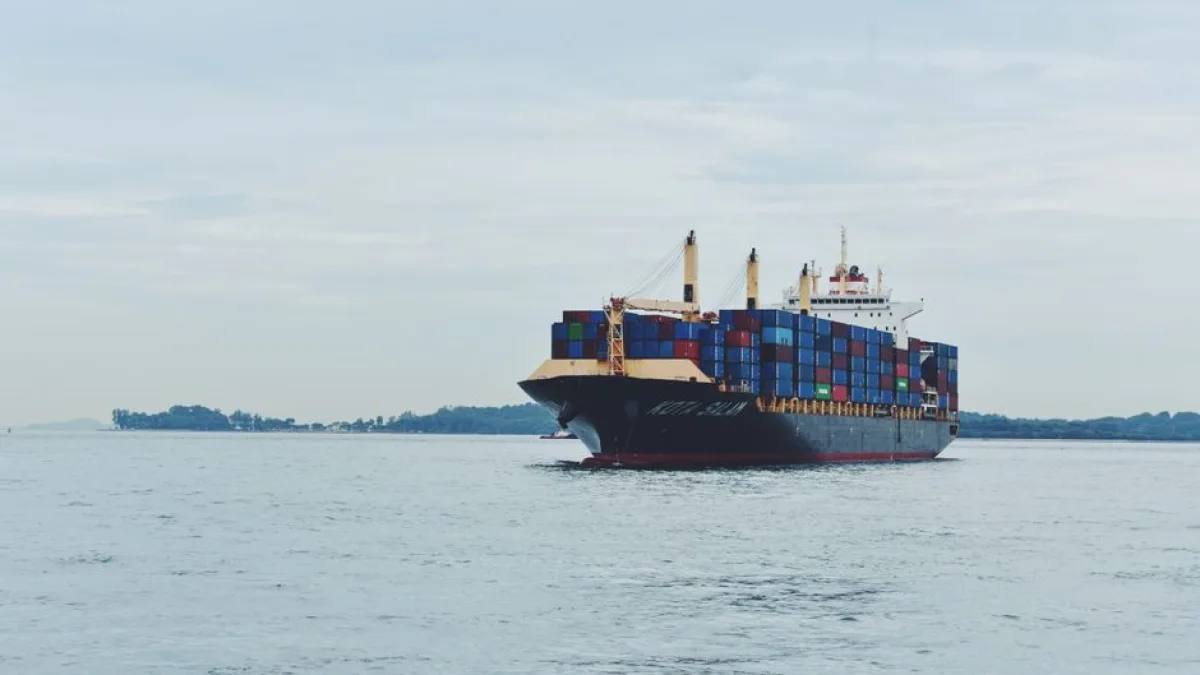
Data analytics empower freight forwarders to make informed decisions based on historical performance rather than guesswork. Understanding patterns in shipment volumes and carrier performance helps forwarders optimize their networks and negotiate better rates for the long term.
- Performance Metric Dashboards: Analyzing key performance indicators allows managers to identify which shipping lanes or carriers offer the most value, driving more profitable operational choices for clients.
- Volume Forecasting Tools: Predictive analytics help companies anticipate seasonal demand fluctuations, allowing them to reserve capacity in advance and avoid the stress of peak season rate hikes.
- Carrier Efficiency Analysis: Evaluating the historical transit times and reliability of various ocean carriers ensures that forwarders select the best partners for their specific shipping requirements every time.
- Profitability Margin Tracking: Detailed financial reporting allows the business to analyze the cost of every shipment, helping to identify and prune underperforming services or low-margin account types.
Transforming raw logistics data into actionable business intelligence is a major differentiator in a crowded market. Forwarders who utilize these insights can refine their pricing strategies and service offerings with high accuracy. As the market evolves, those who base their growth on solid evidence will find it easier to adapt to changing conditions and maintain a sustainable, highly profitable business model overall.
Conclusion
Embracing modern software solutions is no longer a luxury but a fundamental necessity for staying competitive in the current freight forwarding market. By focusing on automation, visibility, compliance, and data-driven strategy, professionals can overcome traditional operational bottlenecks. We encourage all forwarders to evaluate their current processes and adopt new cloud-based tools to ensure long-term efficiency and success in the evolving global logistics landscape.