Navigating the Future of Digital Freight Forwarding Efficiency
Tuesday, October 6 2026

The global logistics landscape is undergoing a profound transformation as digitalization moves from a luxury to a baseline requirement for survival. Freight forwarders are currently navigating a complex environment characterized by fluctuating demand and increasing pressure for real time transparency. To remain competitive, firms must pivot away from legacy manual systems toward integrated, cloud based platforms that centralize operations and provide actionable data. Adopting these modern technologies is not merely about keeping pace with market demands but rather about building a resilient foundation that allows for scalable growth and enhanced operational agility in an increasingly volatile global shipping sector.
Optimizing Supply Chain Visibility
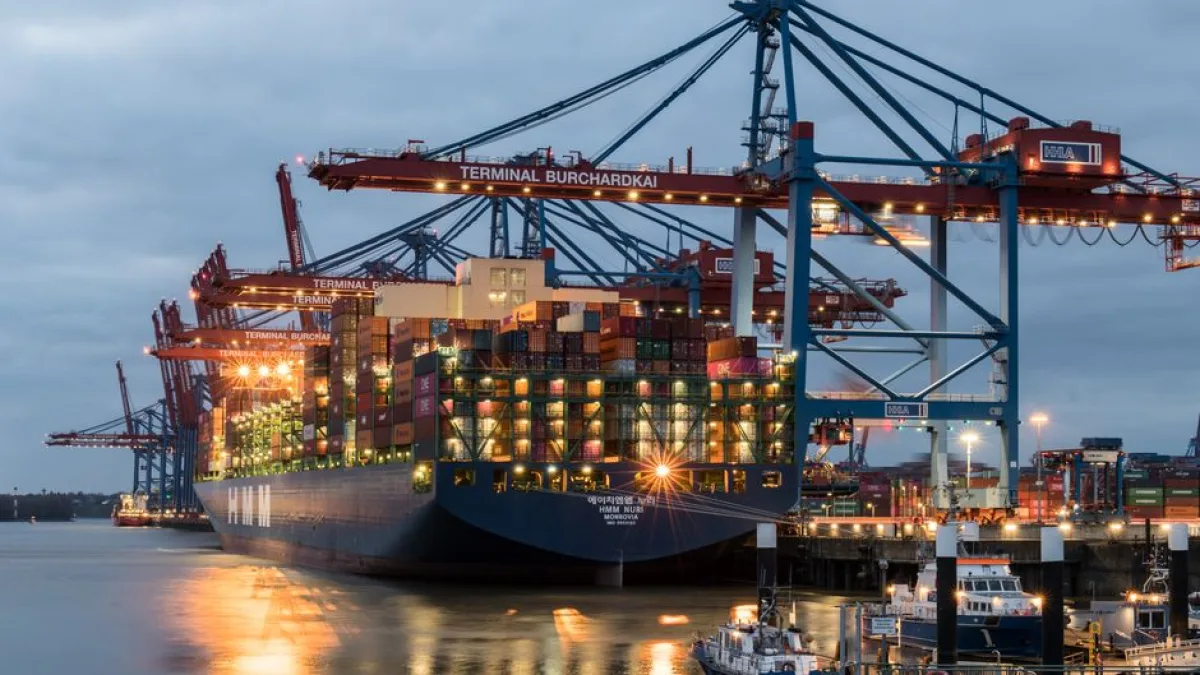
Real time tracking and transparency have become the pillars of modern logistics operations today. Clients expect instantaneous updates regarding the status of their cargo as it moves through various transit nodes across the international shipping network worldwide.
- Enhanced tracking systems: Modern cloud platforms provide live updates that eliminate the need for manual status checks by staff members during the critical shipment execution phase of logistics processes.
- Client portal access: Offering customers a direct login to view their cargo movement increases trust and reduces the overall volume of repetitive status inquiry emails for agents.
- Data driven decisions: Accessing comprehensive visibility data allows freight forwarders to identify potential bottlenecks before they escalate into major disruptions that impact the entire supply chain flow.
- Proactive anomaly alerts: Automated notification systems flag unexpected delays or route changes instantly, enabling your team to take corrective action before clients become aware of problems.
Achieving total supply chain visibility requires a shift in how forwarders handle data collection and reporting. By integrating IoT devices with cloud software, companies can capture granular insights that were previously hidden in disconnected spreadsheets. This transparency empowers forwarders to offer premium service levels, setting them apart from competitors who still rely on fragmented communication methods to satisfy their demanding customer base.
Automating Complex Documentation Processes

Paperwork remains one of the largest drains on productivity for many traditional freight forwarding companies. Automating these manual tasks allows staff to focus on strategic client relationship management instead of data entry and repetitive document validation procedures.
- Smart document recognition: Advanced software tools scan and extract key information from shipping documents automatically, which minimizes human error and accelerates the overall processing cycle for shipments.
- Integrated compliance checks: Automated systems verify that all required regulatory documentation is accurate and complete before files are submitted to customs authorities for border clearance.
- Cloud document storage: Keeping all shipment files in a secure cloud repository ensures that team members can access necessary paperwork from any location around the world.
- Standardized digital templates: Utilizing consistent digital templates for common shipping documents ensures professional branding while speeding up the generation process for outbound freight operations daily.
Streamlining the documentation process is a necessary evolution for modern freight forwarders aiming to increase their profit margins. By reducing the time spent on manual data verification, your team can handle a higher volume of cargo without needing to increase headcount. This shift in operational focus ensures that your business remains agile and capable of adapting to complex changes in international trade.
Leveraging Advanced Data Analytics

The power of big data is revolutionizing how freight forwarders forecast market trends and manage their internal resources. Analyzing historical performance metrics provides the intelligence needed to optimize routes and negotiate better service contracts with carrier partners.
- Performance metric analysis: Reviewing historical shipping data helps forwarders identify their most profitable lanes and service offerings for future strategic planning and budget allocation efforts today.
- Predictive market forecasting: Machine learning algorithms analyze global trade patterns to predict future capacity shortages, allowing your team to secure space for clients well ahead.
- Carrier performance tracking: Monitoring carrier reliability data enables forwarders to choose partners who consistently meet transit time requirements, which improves overall customer satisfaction and retention.
- Resource allocation optimization: Data insights reveal peak operational hours, allowing managers to schedule staff effectively and reduce overtime costs while maintaining high service output levels.
Data analytics transforms raw numbers into strategic assets that guide every major business decision. Forwarders who leverage these insights can optimize their internal workflows to reduce waste and maximize revenue per shipment. By understanding performance trends, your company can anticipate market shifts, ensuring that your service delivery remains consistent even when global trade conditions become increasingly unpredictable for industry professionals.
Scaling Operations Through Cloud Solutions

Cloud infrastructure provides the flexibility required to scale operations without the burden of maintaining expensive hardware. This approach allows businesses to grow at their own pace while keeping overhead costs manageable and predictable over the long term.
- Seamless system integration: Cloud based freight platforms easily connect with existing ERP systems to ensure a unified flow of information across every department within the company.
- Remote workforce enablement: Accessing core logistics tools from any location supports a flexible, modern work environment that attracts top industry talent and ensures business continuity.
- Cost effective scalability: Subscription based models allow forwarders to add users or modules as their business volume increases, preventing large upfront investments in infrastructure and technology.
- Enhanced cybersecurity measures: Reputable cloud providers offer robust security protocols and automatic data backups to protect sensitive client information from unauthorized access and potential digital threats.
Adopting cloud solutions is a critical step toward building a future proof logistics business model. These platforms remove the barriers associated with legacy systems, fostering a culture of innovation and collaboration. As your operations expand, the cloud provides the infrastructure to support that growth efficiently, ensuring that your team maintains high performance standards regardless of how large or complex your shipments become.
Conclusion
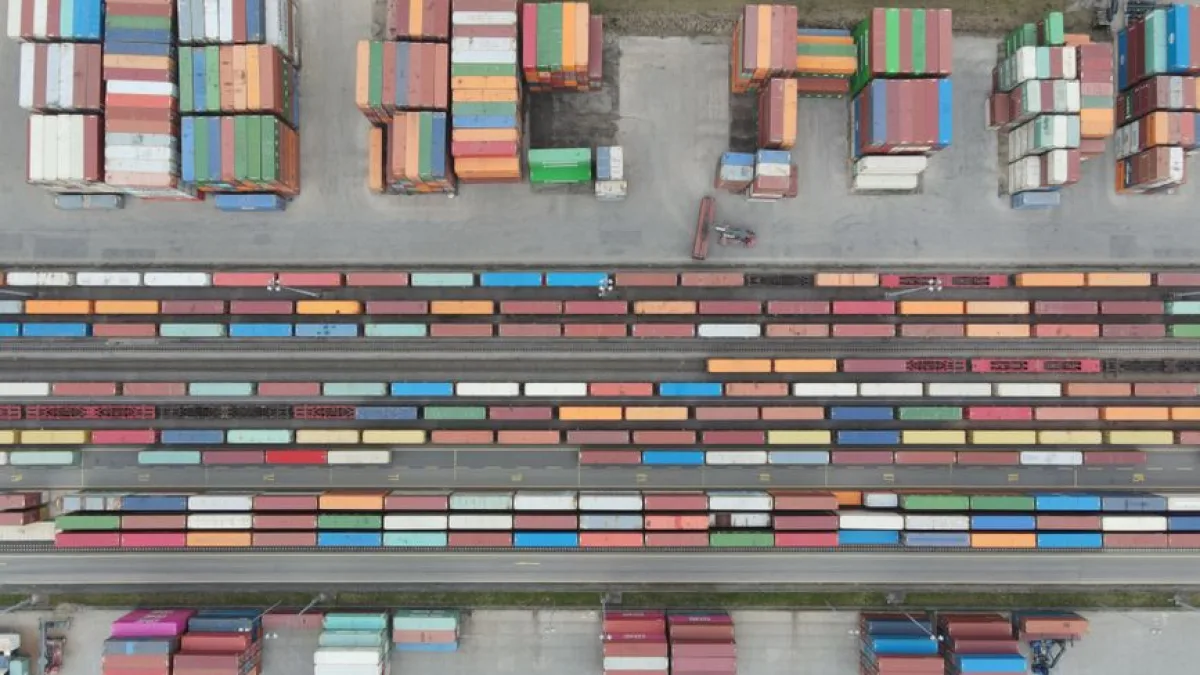
The transition toward digital logistics platforms is essential for forwarders who want to maintain their competitive edge in a fast moving global market. By embracing automation, data analytics, and cloud technology, companies can improve their operational efficiency while delivering superior value to their customers. Start integrating these advanced tools into your daily workflows today to ensure your business remains agile and highly profitable tomorrow.