Navigating the Future: Digital Transformation Trends in Freight Forwarding
Thursday, September 10 2026

The global logistics landscape is undergoing a massive shift as freight forwarders embrace cloud technology to remain competitive in a volatile market. As supply chain complexities grow, the demand for transparency and real-time tracking has become the standard expectation from shippers. Traditional manual processes are rapidly being replaced by integrated software solutions that provide granular visibility across international trade lanes. This transition is not merely about digitizing paperwork but about fundamentally changing how forwarders orchestrate movement, manage vendor relationships, and ultimately deliver value to their clients while maintaining healthy profit margins in a highly scrutinized industry.
Automated Operations Efficiency

Modern platforms allow forwarders to automate repetitive tasks that once consumed countless hours. By shifting focus from manual data entry to strategic oversight, teams can now handle higher cargo volumes without needing to increase their headcount significantly during peak shipping seasons.
- Automated Rate Management: Centralized platforms enable forwarders to pull real time carrier quotes instantly which reduces manual effort and ensures that clients always receive the most accurate pricing data available.
- Streamlined Documentation Processing: Intelligent software scans and validates transport documents automatically while flagging errors to ensure customs compliance and avoid delays that typically occur during manual verification processes at ports.
- Enhanced Booking Accuracy: Automated booking systems eliminate human errors associated with manual data input which prevents costly rework and improves overall service quality for international shippers and consignees.
- Workflow Optimization Tools: Digital dashboards provide visibility into task progress allowing team leads to reallocate resources dynamically based on current shipment urgency and specific operational bottlenecks across the board.
Adopting these automation tools changes the daily reality for employees by removing tedious administrative burdens. Forwarders who prioritize software integration notice a substantial increase in staff productivity almost immediately. This shift empowers teams to focus on customer relationship management and complex problem solving instead of chasing paperwork. Consequently, businesses can scale operations more effectively, leading to improved satisfaction levels and a distinct competitive advantage in market.
Real Time Cargo Tracking
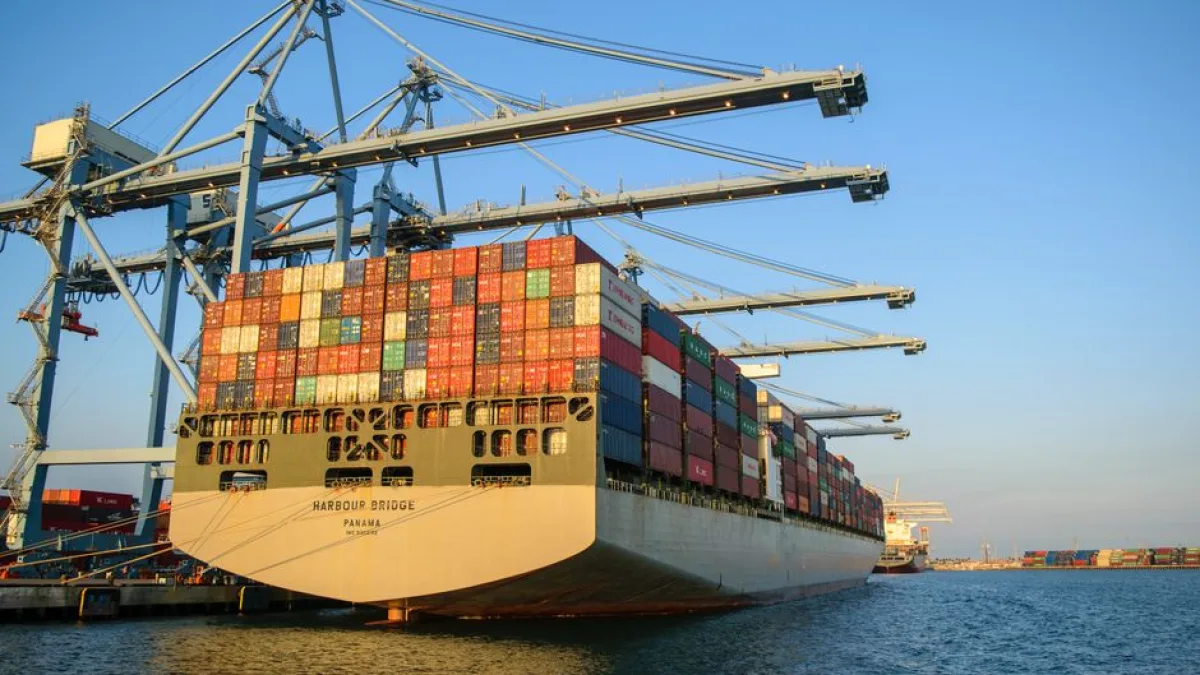
Visibility remains the highest priority for shippers operating in global supply chains. Real time tracking provides the precise location and condition of freight throughout its journey, turning the once black box of ocean transit into a transparent digital process.
- Predictive Milestone Tracking: Advanced algorithms analyze transit data to provide accurate estimated arrival times that help clients plan their inventory management strategies and warehouse staffing levels accordingly each day.
- Exception Management Alerts: Automated notifications provide immediate updates if a shipment faces unexpected delays or routing changes, enabling forwarders to communicate proactively with clients before problems escalate further.
- Comprehensive Carrier Integration: Connecting directly with shipping lines via API ensures that status updates flow seamlessly into your dashboard without relying on manual carrier website checks or email.
- Document Access Anywhere: Cloud storage allows logistics teams to retrieve critical shipping papers instantly from any location, ensuring that customs brokers and agents have necessary info at hand.
Providing live tracking data builds trust and reinforces professional reliability among your clients. When you provide transparency during shipment delays, you convert potential frustration into a constructive conversation about contingency planning. This proactive approach distinguishes your service from competitors who rely on reactive updates. Ultimately, the ability to offer a window into your cargo operations makes your firm an indispensable partner in global trade.
Data Driven Decision Making

Analytics platforms transform raw logistics data into actionable business intelligence. By reviewing historical performance and lane costs, forwarders can make smarter decisions regarding carrier selection, pricing strategies, and long term capacity commitments in a highly unpredictable shipping environment.
- Carrier Performance Analysis: Detailed reports track reliability metrics for various shipping lines allowing managers to choose partners who consistently meet transit windows and maintain service level agreements.
- Profitability Margin Reports: Detailed financial breakdowns reveal which trade lanes are yielding the best results so you can adjust your sales focus toward the most profitable business opportunities.
- Customer Trend Monitoring: Analytics tools highlight specific shipping patterns among your client base, helping your sales team identify cross selling opportunities for additional services like warehousing or insurance.
- Market Trend Forecasting: Aggregated data helps your firm predict seasonal shifts in capacity demand, ensuring you secure the necessary space before prices spike during the peak ocean season.
Data is the most valuable asset a modern freight forwarder possesses. Moving away from intuition based decision making allows for more precise financial forecasting and resource allocation across your entire firm. When leaders have access to accurate performance metrics, they can pivot quickly as market conditions change. This level of insight ensures your company remains agile, profitable, and prepared for future supply chain disruptions.
Enhanced Customer Communication

Improving how you communicate with clients is essential for retention in the logistics sector. Integrated communication features within your software ensure that all shipment discussions happen in one place, preventing important messages from being lost in crowded email inboxes.
- Unified Client Portals: Secure customer portals provide a branded interface where clients can view live tracking, download invoices, and message your team directly about specific active shipments.
- Automated Status Notifications: Proactive email and SMS alerts keep your clients informed about every major milestone, reducing the time your team spends answering status check requests from shippers.
- Integrated Document Sharing: Shared digital folders eliminate the need for sending large email attachments, which improves security and ensures that all stakeholders access the latest document versions.
- Collaborative Internal Notes: Team members can leave private comments on specific shipment files to coordinate actions, ensuring that everyone involved in the move stays on the same page.
Customer experience is the true differentiator in an industry with standardized services. By providing a modern, digital environment for your clients, you demonstrate your commitment to innovation and efficiency. This digital maturity encourages repeat business and word of mouth referrals, as clients prefer working with responsive forwarders who provide instant access to information. Prioritizing the digital customer experience will secure your market position.
Conclusion

Success in the modern freight industry requires a commitment to digital tools that enhance visibility and operational speed. By automating core processes, leveraging data for strategy, and prioritizing transparent communication, forwarders can thrive despite global uncertainties. Now is the time to audit your existing workflows and implement the technology necessary to stay ahead. Contact the MakeCargo team today to start your digital transformation.