Navigating the Future: Trends Reshaping Global Freight Forwarding
Friday, July 24 2026
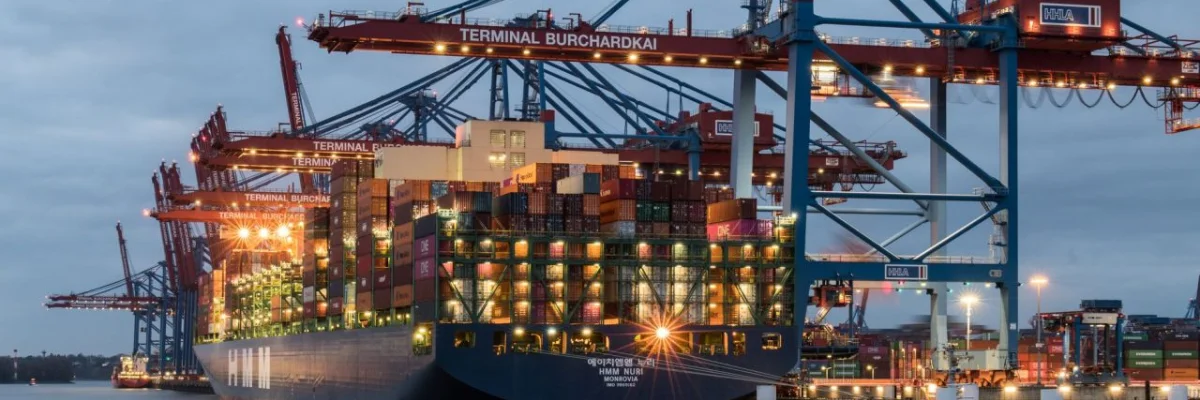
The global logistics landscape is undergoing a profound transformation driven by rapid technological integration and shifting geopolitical demands. Freight forwarders today must navigate increased market volatility while addressing the urgent need for digital transformation. By moving away from legacy manual systems, professionals can unlock new efficiencies and maintain competitive advantages in an increasingly crowded international trade ecosystem. Adapting to these changes requires a strategic focus on real-time data visibility, supply chain resilience, and automated workflow solutions. As we look ahead, the ability to pivot and integrate cloud-based tools will define the success of modern forwarding businesses operating within this complex, high-stakes global environment.
The Rise of Automated Documentation

Manual data entry is quickly becoming a relic of the past as automated documentation tools gain traction. Reducing human error is the primary driver behind this shift, allowing teams to process shipments with greater speed, accuracy, and regulatory compliance at scale.
- Seamless Data Sync: Automated systems ensure that shipment details flow directly from booking to invoice without manual intervention. This eliminates costly discrepancies and significantly accelerates the billing cycle for clients.
- Compliance Error Reduction: Intelligent algorithms cross-check international shipping documentation against ever-changing trade regulations. This proactive approach minimizes the risk of expensive fines or unexpected delays at critical customs checkpoints.
- Workflow Efficiency Gains: By removing repetitive administrative tasks, your team can focus on higher value activities like client relationship management. This shift leads to improved internal productivity and morale.
- Real Time Accuracy: Digital platforms provide a single source of truth for all stakeholders involved in the shipment process. Everyone stays updated on critical updates simultaneously throughout transit.
Transitioning to automated documentation platforms allows your forwarding business to handle larger volumes without increasing headcount. By minimizing the time spent on manual input, your staff can dedicate their expertise to resolving complex logistics challenges rather than performing repetitive administrative data entry. This investment in technology directly supports scalable growth and ensures your operations remain agile enough to survive in modern markets.
Predictive Analytics for Global Shipping

Predictive analytics are now essential for managing the unpredictability of global shipping lanes. By harnessing historical performance data, forwarders can anticipate potential bottlenecks and reroute cargo before issues escalate into costly delays that affect the entire supply chain network.
- Proactive Delay Mitigation: Analyzing historical port performance helps teams anticipate congestion issues before they happen. This allows you to select alternative routes that maintain consistent delivery timelines for customers.
- Inventory Planning Insights: Access to predictive tools allows forwarders to provide clients with data-driven advice on stock management. Improved forecasting helps businesses balance inventory levels effectively throughout the year.
- Market Trend Forecasting: Understanding long-term shipping data assists in anticipating seasonal capacity constraints. This foresight allows you to negotiate better rates and secure space ahead of competitors.
- Risk Management Strategies: Advanced models highlight potential weak points in the supply chain. Developing contingency plans based on this data protects your reputation and improves client trust.
Integrating predictive intelligence into your daily operations turns raw data into actionable business strategy. By anticipating disruptions, you move from a reactive state to a proactive partner for your customers. Providing this level of foresight creates significant value, separating your company from traditional forwarders who lack advanced analytical capabilities. Leverage these tools today to build stronger, more reliable logistics partnerships worldwide.
Cloud Integration and Supply Chain Visibility
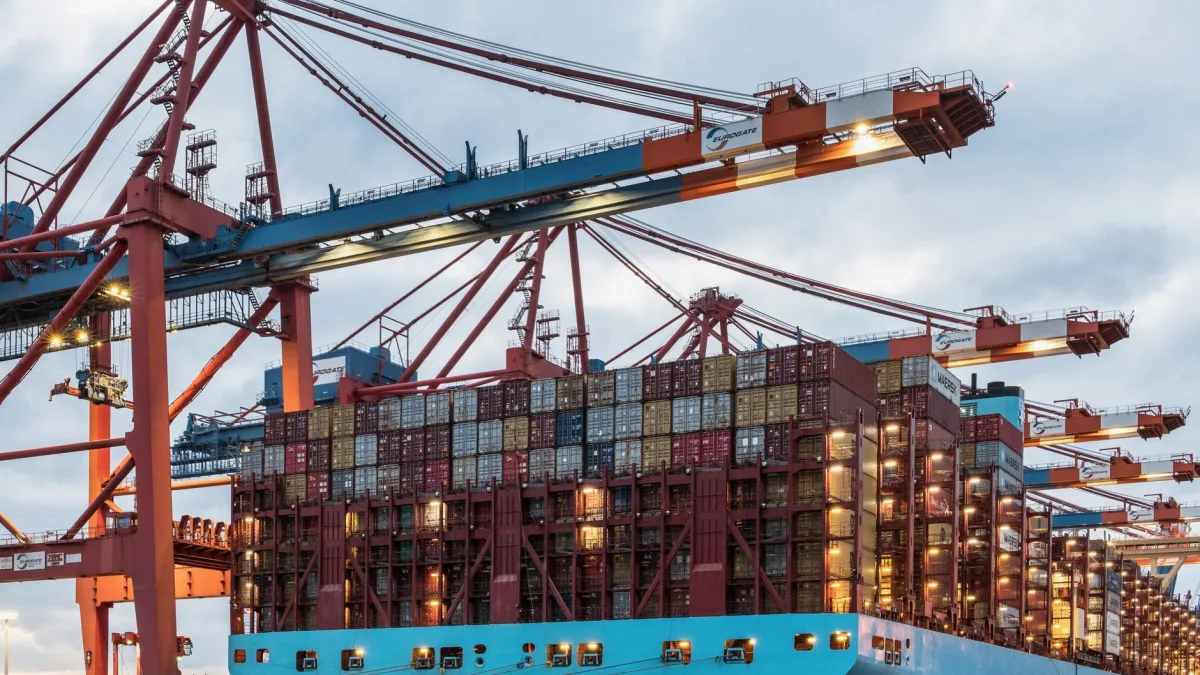
Visibility is the new currency in the freight forwarding industry, and cloud-based systems are the only way to deliver it. Providing your customers with instant access to their shipment data fosters deep trust and enhances the transparency of operations.
- Centralized Shipment Tracking: Cloud platforms provide a unified dashboard for tracking cargo across multiple transit modes. Clients appreciate being able to monitor their freight status without making inquiries.
- Seamless Collaboration Tools: Digital portals allow stakeholders to exchange documents and comments securely. This centralized communication reduces email clutter and ensures no vital information gets lost.
- Mobile Accessibility Gains: Modern logistics requires instant access to information from any location globally. Cloud systems provide staff and clients the ability to check status updates via mobile.
- Data Security Standards: Protecting sensitive cargo information is critical in the digital age. Reputable cloud solutions offer advanced encryption, ensuring your data remains safe from unauthorized cyber access.
Adopting a cloud-first approach ensures that your freight forwarding business remains connected and collaborative. By moving away from silos, you create a transparent environment where every member of the supply chain stays informed. This visibility is not just a feature, but a mandatory requirement for clients demanding accountability in their logistics partnerships. Upgrade your infrastructure to maintain your market edge and profitability.
Sustainable Logistics and Green Initiatives
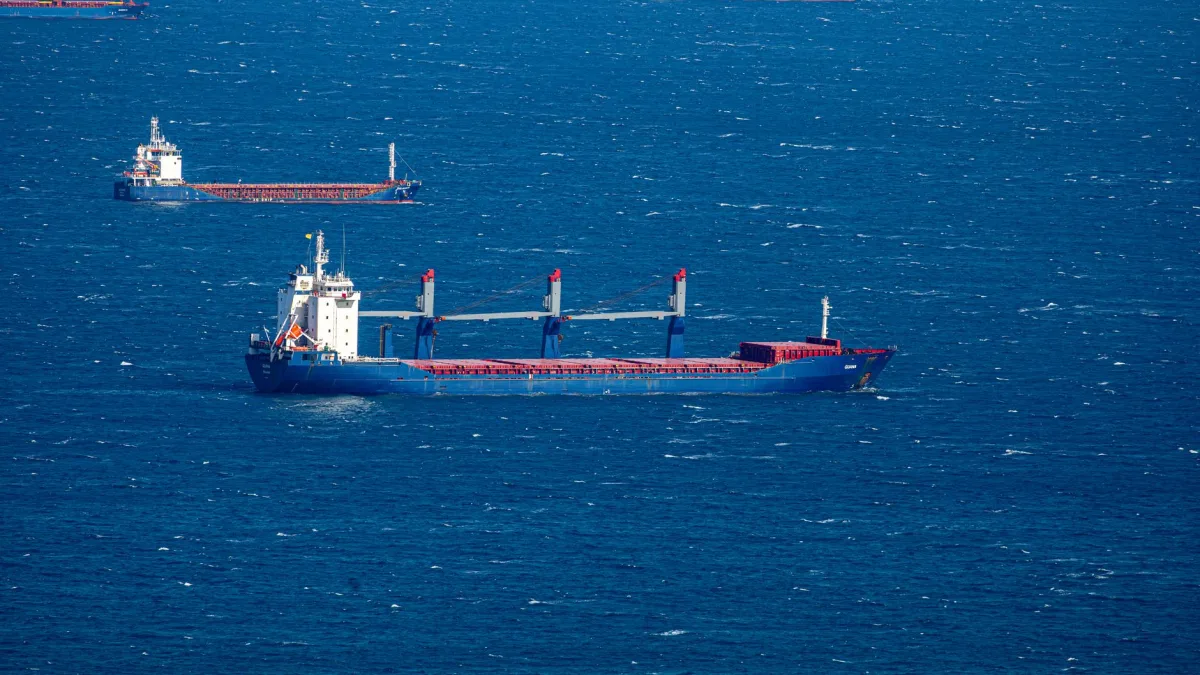
Sustainability has shifted from a corporate buzzword to a critical requirement for shippers globally. Forwarders who prioritize eco-friendly shipping routes and carbon tracking are finding new opportunities to attract environmentally conscious clients seeking to reduce their total footprint.
- Optimized Route Planning: Using software to calculate the most fuel-efficient routes significantly reduces carbon emissions per shipment. This approach aligns with global environmental goals while lowering your overall fuel costs.
- Carbon Reporting Transparency: Providing clients with detailed carbon footprint reports is a powerful differentiator. Modern tools make calculating and sharing these sustainability metrics simple and highly accurate for partners.
- Carrier Selection Criteria: Working with green-certified carriers helps your firm build a more sustainable service portfolio. This strategic alignment improves your reputation among large, environmentally conscious corporate clients.
- Waste Reduction Efforts: Digitalizing all documents removes the need for excessive physical paper use. This small change contributes to a greener office environment while also cutting down overhead costs.
Embracing sustainability is a powerful way to future-proof your business against upcoming regulations and changing market preferences. As environmental awareness grows, your ability to offer green logistics solutions will become a major selling point for prospective clients. Start integrating these practices into your daily operations to demonstrate leadership and commitment to a cleaner future within the global freight forwarding industry today.
Conclusion

Staying competitive in the modern freight forwarding landscape requires a balanced commitment to technology and efficiency. By embracing automation, data analytics, and cloud connectivity, your firm can navigate current industry shifts with confidence. Focus on building resilient, transparent, and sustainable operations to satisfy the high expectations of your global customers. The future of logistics belongs to those who adapt and evolve through digital innovation.