Navigating the Future of Freight Forwarding Technology
Thursday, October 1 2026

The global logistics landscape is undergoing a profound transformation driven by rapid digitalization and shifting trade patterns. Freight forwarders are currently facing intense pressure to optimize their operations while navigating complex regulatory requirements and fluctuating carrier rates. Modern software solutions like MakeCargo are no longer optional luxuries but essential infrastructure for businesses aiming to remain competitive in a volatile market. As we move further into the decade, the integration of advanced data analytics and automated workflows will separate market leaders from those struggling to adapt to the new demands of international supply chain management.
Digital Transformation Trends
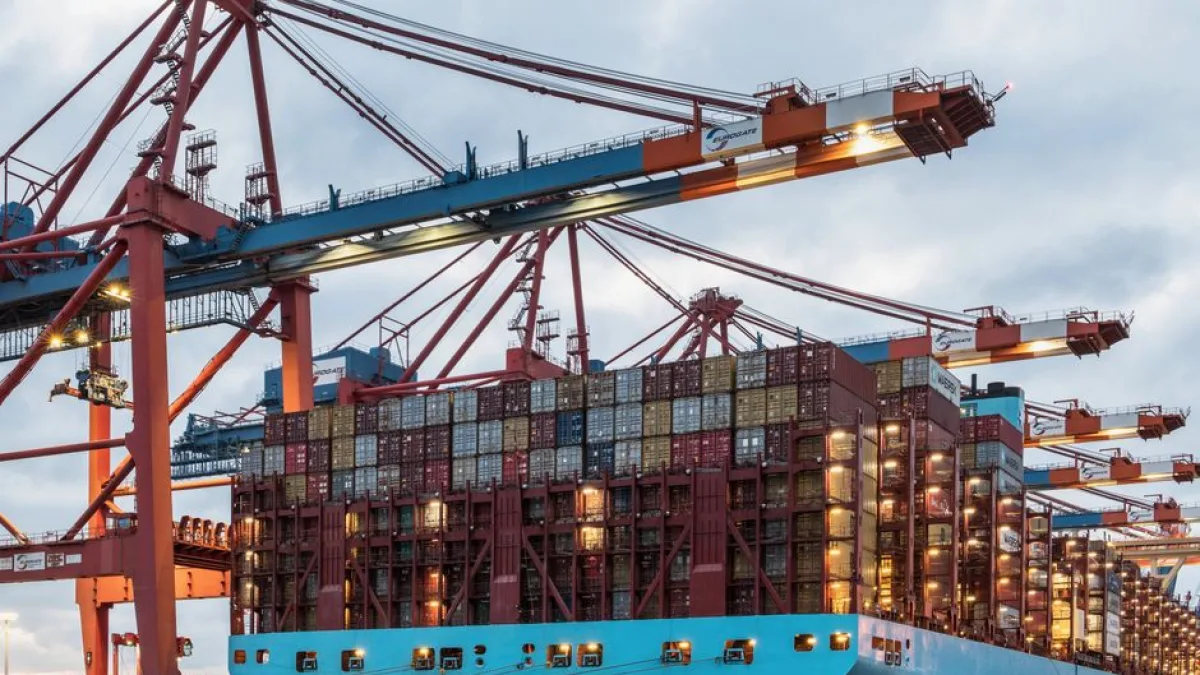
Modern logistics providers are rapidly adopting cloud technologies to gain a significant edge over traditional manual processes. This digital shift allows teams to manage bookings and documentation from any location while ensuring that every stakeholder remains perfectly aligned with real time shipment updates.
- Cloud software adoption: Moving operational data to the cloud enables global teams to access critical shipment information instantly without the limitations of legacy desktop software or disconnected physical files.
- Automated workflow efficiency: Implementing automated triggers for common administrative tasks significantly reduces human error and frees up your staff to focus on solving high value client problems instead of manual entry.
- Data driven decision making: Leveraging advanced analytics platforms allows forwarding agencies to identify hidden cost savings and optimize routing strategies based on actual historical performance rather than mere anecdotal evidence.
- Seamless system integration: Connecting your forwarding software with carrier APIs creates a unified ecosystem that streamlines information flow and eliminates the tedious need for switching between multiple external portals.
Transitioning to digital platforms is the most effective way to enhance productivity across your entire organization. By removing silos and ensuring that everyone has access to accurate information, you can provide superior service to your clients. Now is the perfect time to evaluate your current technology stack and identify the gaps that could be hindering your company from achieving its full growth potential.
Supply Chain Visibility Improvements

Tracking shipments requires absolute clarity from origin to final destination point. Forwarders must prioritize visibility tools that provide end to end oversight, as modern shippers now expect immediate access to status reports and predictive arrivals for their valuable inventory.
- Real time tracking: Integrating satellite tracking and carrier status updates ensures that you always know exactly where cargo is located during the transit journey across global trade lanes.
- Predictive arrival forecasting: Advanced algorithms analyze external port conditions and historical traffic data to provide accurate delivery estimates that help your customers manage their own local warehouse staffing.
- Transparent communication channels: Automated customer notifications keep your clients informed at every critical milestone which builds trust and reduces the volume of repetitive status requests reaching your office.
- Unified visibility dashboards: Providing a single pane of glass view for all shipments allows your operations team to spot potential bottlenecks before they evolve into costly delays.
Enhanced visibility tools are essential for maintaining professional standards in the current logistics market. When you offer clients real time insights into their supply chain, you distinguish your services from competitors who still rely on fragmented communication methods. Investing in robust tracking features will ultimately result in higher customer retention rates and a stronger brand reputation as a reliable global shipping partner.
Regulatory Compliance Automation

Navigating international trade laws requires extreme precision and constant vigilance regarding changing customs regulations. Software solutions today simplify the complex filing process by automating the generation of accurate documentation and ensuring that all mandatory compliance checks occur before dispatch.
- Automated document generation: Standardizing shipping documents like bills of lading and commercial invoices ensures consistency and compliance while significantly speeding up the overall export and import documentation cycle.
- Customs data validation: Integrated software checks prevent common errors by flagging missing information or incorrect HS codes before your documents are submitted to customs authorities for official processing.
- Regulatory change alerts: Software updates that incorporate the latest international trade regulations help your team stay ahead of legal shifts and avoid costly fines associated with non compliant shipments.
- Secure document archiving: Digital storage systems maintain a perfect record of all transactions which ensures that your agency is always prepared for audits and historical documentation requests.
Automation takes the stress out of customs compliance by ensuring that your team follows best practices every single time. By leveraging digital checklists and automated validation, you minimize the risk of border delays caused by clerical errors. This approach creates a more professional operation that is prepared to handle high volumes of traffic while keeping the business safe from unnecessary legal complications.
The Future of Freight Operations
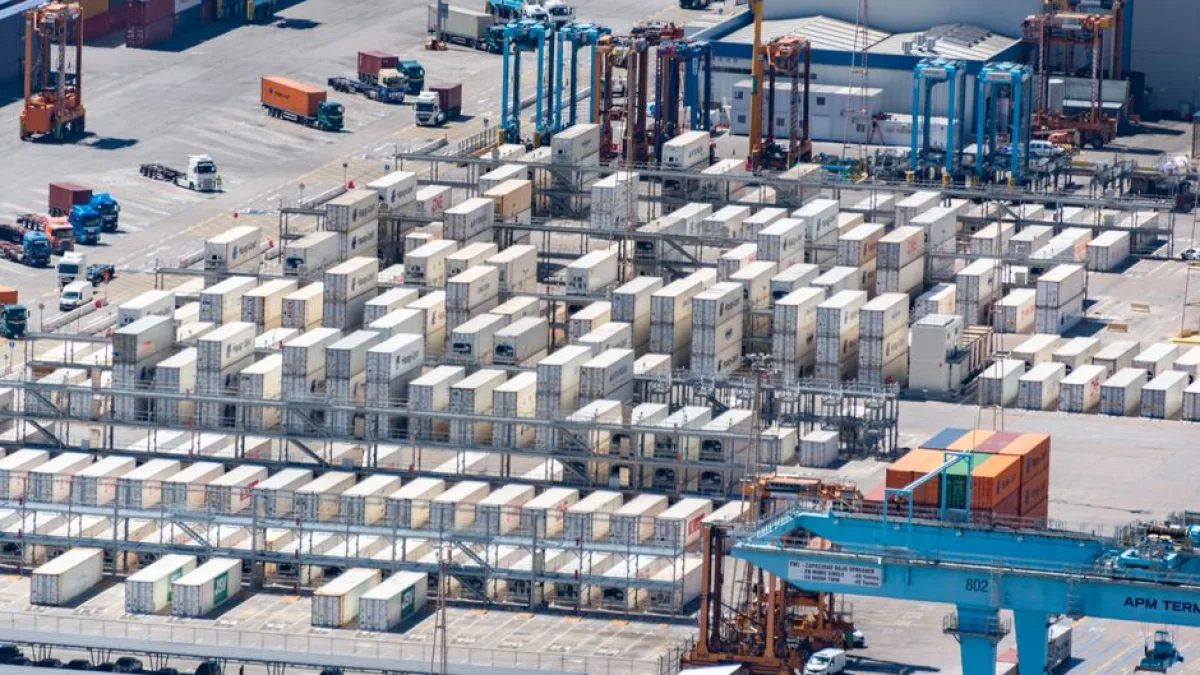
As the industry continues to evolve, forwarders must embrace innovative tools to remain agile and profitable. The convergence of artificial intelligence and machine learning is opening new doors for predictive modeling and automated logistics planning that were previously unimaginable for standard forwarding agencies.
- Artificial intelligence integration: Utilizing AI agents helps to manage high volume data processing tasks and provides insightful recommendations for optimizing complex logistics routes during periods of severe congestion.
- Dynamic pricing models: Sophisticated tools analyze market trends to provide competitive and profitable quote options that align with current carrier pricing and your agency margin requirements.
- Scalable cloud infrastructure: Choosing a platform that grows with your business needs ensures that your IT investment remains relevant and powerful regardless of your current operational volume.
- Strategic vendor partnerships: Collaborating with technology providers who understand the logistics niche ensures that your software evolves alongside the industry with regular updates and essential new feature sets.
Looking ahead, the success of your freight forwarding business will depend on your ability to leverage the right tools for the job. By embracing these technological advancements, you can drive operational excellence and provide unmatched value to your clients. Start modernizing your operations today to ensure that your agency stays at the forefront of the global logistics industry for years to come.
Conclusion

Digital transformation remains the defining challenge for forwarders aiming for long term growth. By adopting modern software and prioritizing automation, your business will gain the agility required to handle complex global logistics demands efficiently. Evaluate your technology strategy now to build a more resilient and profitable operation. Contact the MakeCargo team today to learn how our platform can elevate your logistics forwarding capabilities.