Navigating the Future of Freight Forwarding Technology
Sunday, October 11 2026

The global logistics landscape is undergoing a profound transformation as digital adoption accelerates across the supply chain. Freight forwarders are increasingly looking toward cloud-based solutions to manage complex operational challenges while meeting customer demands for transparency and speed. As market competition intensifies, the ability to integrate real-time data into daily workflows becomes a significant differentiator for logistics companies. By shifting focus from manual documentation to automated processes, professionals can unlock new efficiencies and scale their operations effectively. This article explores the vital technological trends shaping our industry today, providing actionable insights for firms aiming to maintain a competitive advantage in an evolving global economy.
Digital Transformation Trends
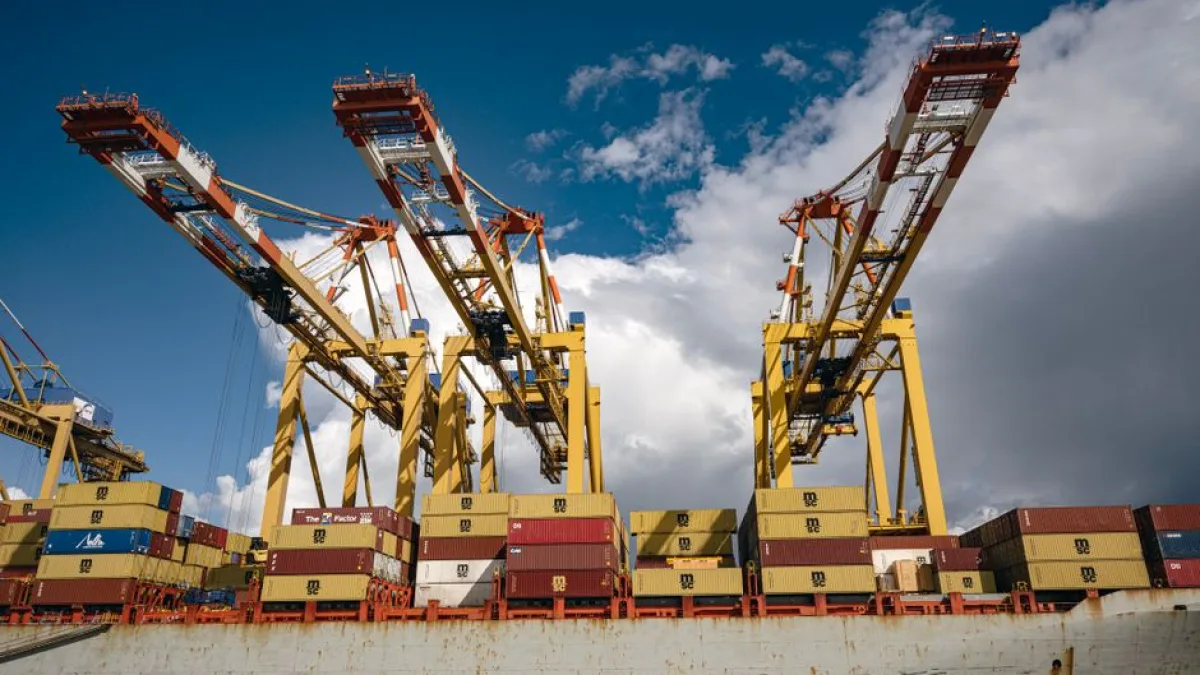
Modern logistics providers are rapidly moving away from legacy systems toward unified cloud platforms that centralize critical data. This shift allows teams to synchronize their activities across international borders while providing clients with instant updates on their shipments throughout the transit cycle.
- Cloud Migration Benefits: Moving infrastructure to the cloud allows teams to access vital shipping data from any location while ensuring that sensitive documentation remains protected and easily accessible.
- Process Automation Gains: Implementing automated workflows reduces the reliance on repetitive manual entry tasks, which minimizes potential human errors and accelerates the overall speed of document processing.
- Real-time Visibility: Providing clients with live tracking capabilities builds lasting trust and satisfies the growing demand for immediate transparency regarding their complex global shipping movements.
- Scalable Infrastructure Needs: Investing in flexible software allows growing companies to expand their service offerings without the burden of maintaining expensive and outdated on-premise hardware server systems.
Adopting these digital tools is no longer a luxury but a fundamental requirement for staying relevant in a fast-paced market. Firms that prioritize seamless software integration often report higher operational efficiency and improved client retention rates. As we look ahead, the gap between digitally native forwarders and those relying on spreadsheets will likely continue to widen, making strategic investment in technology a primary business goal.
Optimizing Global Supply Chains
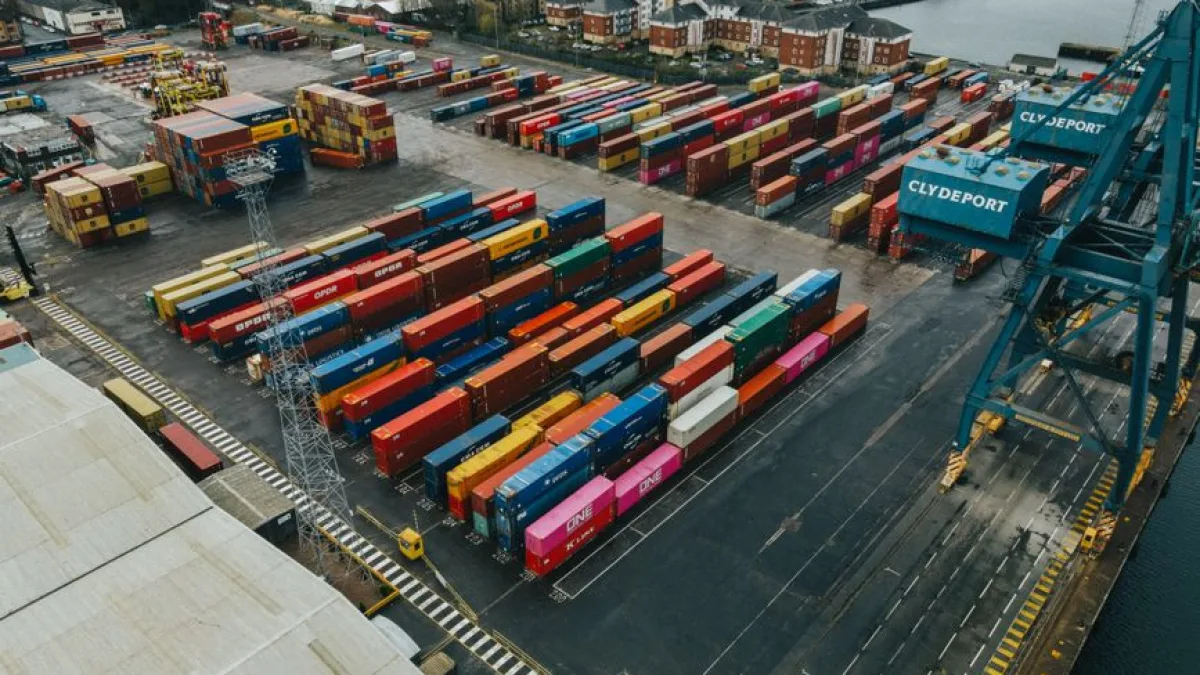
Improving supply chain agility requires a combination of robust software tools and proactive management strategies. By leveraging data analytics, companies can identify potential bottlenecks before they impact delivery timelines, ensuring that cargo moves through the network with maximum efficiency and precision.
- Predictive Analytics Power: Utilizing advanced data modeling tools helps managers anticipate potential disruptions in ocean or air routes, allowing for proactive adjustments to avoid significant shipping delays.
- Efficient Inventory Management: Integrated platforms provide a clear overview of cargo status, which helps forwarders coordinate with warehouse teams to ensure timely pick-up and distribution services.
- Cost Reduction Strategies: Analyzing historical shipping data allows companies to identify expensive routes and negotiate better rates, ultimately lowering the total cost of transport for clients.
- Enhanced Carrier Relationships: Centralizing communication with various shipping lines and logistics partners simplifies the coordination process and builds stronger partnerships based on shared operational data points.
True optimization is achieved when logistics providers use their data to tell a comprehensive story about their performance. By monitoring key metrics such as transit times and carrier reliability, companies can refine their service offerings to meet specific client needs. This analytical approach transforms the forwarding role from a service provider into a true strategic partner capable of driving measurable growth.
Enhancing Customer Experience

The client relationship is at the heart of the freight forwarding industry, and technology plays a key role in improving the overall experience. Providing user-friendly portals where customers can manage their own bookings and documentation significantly reduces the administrative workload on support teams.
- Customer Portal Access: Offering clients a self-service dashboard allows them to track shipments independently, which reduces the volume of status inquiries handled by your operations team.
- Transparent Document Sharing: Providing secure, instant access to bills of lading and customs invoices simplifies the administrative process for international traders and customs brokers alike.
- Automated Notification Systems: Sending proactive alerts regarding shipment milestones keeps customers informed without requiring manual intervention, fostering a high level of confidence in your forwarding services.
- Personalized Reporting Tools: Allowing clients to generate their own custom analytics reports gives them the insights they need while positioning your firm as a data-driven partner.
Exceptional service is defined by how easily clients can interact with their logistics providers. When you remove friction from the booking and tracking experience, you foster deeper loyalty and encourage repeat business. Investing in high-quality digital touchpoints creates a seamless journey that reflects positively on your brand image while allowing your staff to focus on solving complex logistical problems for clients.
Building Operational Resilience
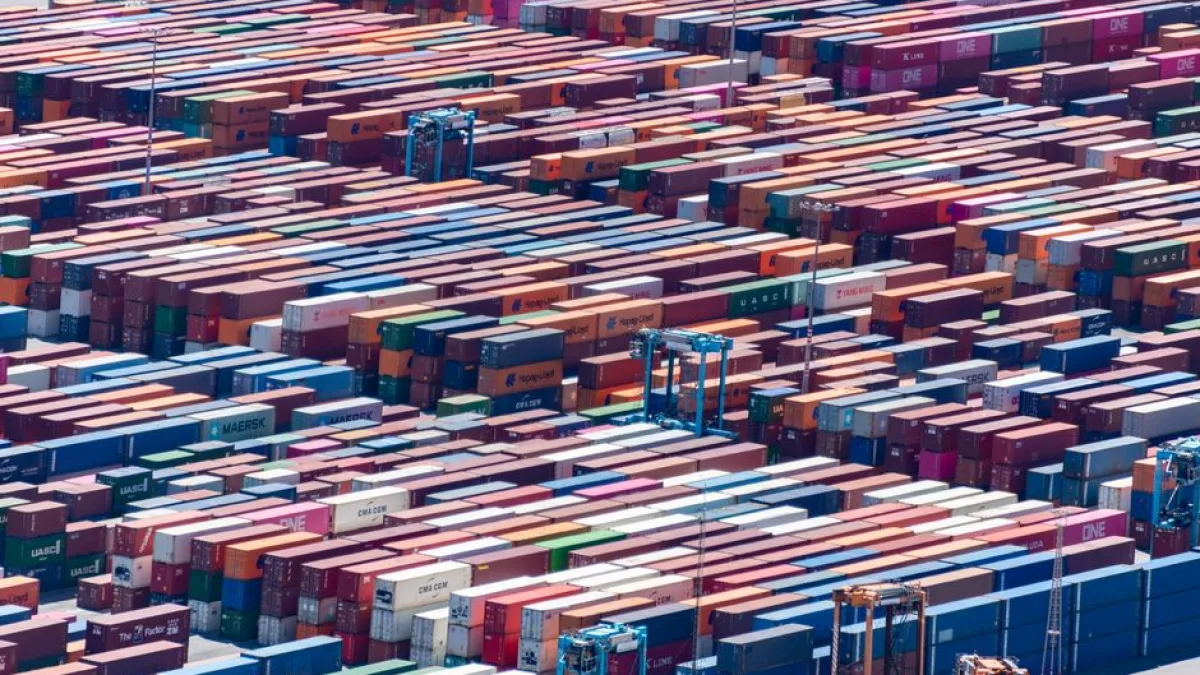
Building resilience into your freight operations involves creating systems that can withstand external shocks and market volatility. By diversifying carrier networks and automating core procedures, companies can maintain continuity even when faced with unexpected events that disrupt the global flow of goods and services.
- Diversified Carrier Networks: Maintaining a wide range of logistics partners provides the necessary redundancy to route cargo through alternative paths when primary routes become temporarily blocked.
- Automated Workflow Continuity: Cloud-based operations ensure that your business remains functional during office closures or remote work periods, keeping the supply chain moving without any disruption.
- Standardized Data Protocols: Establishing consistent entry standards across the entire firm ensures that all team members are working from accurate, up-to-date information at all times.
- Data Security Measures: Implementing enterprise-grade security protocols protects sensitive client shipping information and ensures compliance with international data protection standards required by modern regulatory frameworks today.
Resilience is not just about reacting to problems but about creating an environment where proactive solutions are the standard. By focusing on robust software integration and standardized procedures, you prepare your firm for any future industry challenge. This stability is highly attractive to prospective clients who need a reliable partner to manage their critical goods in an unpredictable and volatile international landscape.
Conclusion

Modernizing your freight forwarding business is a continuous process that requires a focus on cloud innovation and operational excellence. By adopting scalable software, prioritizing data-driven decisions, and keeping the customer at the center of your strategy, you position your firm for long-term success. Evaluate your current systems today to ensure your company remains a leader in this competitive global logistics environment.