Navigating the Future of Freight Forwarding Efficiency
Sunday, August 2 2026
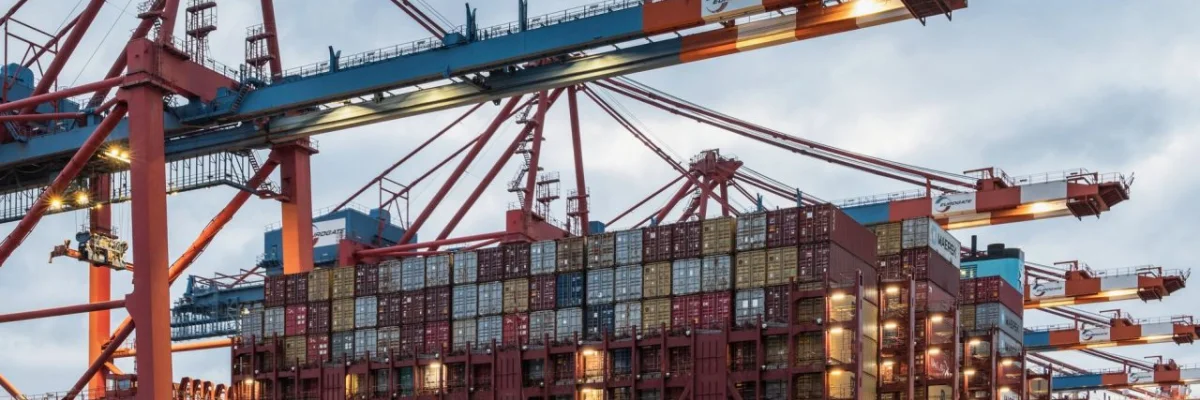
The global logistics landscape is undergoing a profound transformation as freight forwarders grapple with increasing operational demands and complex supply chain requirements. As businesses seek greater transparency and speed, the reliance on manual processes is quickly becoming a liability for companies aiming to remain competitive. Adapting to digital integration is no longer a luxury but a fundamental necessity for those managing international cargo flows. By embracing innovative software solutions, forwarders can unlock hidden efficiencies, reduce costly errors, and ensure that their clients receive reliable service in an era defined by rapid technological evolution and shifting trade dynamics across the globe.
Digital Transformation Strategies

Modernizing your logistics operations starts with selecting the right digital tools to handle complex documentation. Transitioning away from fragmented spreadsheets allows teams to centralize data, ensuring that every shipment detail is accessible, accurate, and easily updated for all involved project stakeholders.
- Unified Data Management: Consolidating your cargo tracking data into one cloud platform prevents information silos and ensures that every member of your team has access to real-time shipment status.
- Automated Documentation Flows: Implementing automated document generation reduces the time spent on manual data entry tasks while minimizing the risk of human error in your essential shipping manifests.
- Enhanced Client Portals: Providing your customers with a dedicated login portal fosters trust by allowing them to track their freight independently without needing frequent email status updates.
- Cloud Infrastructure Scalability: Using scalable cloud systems allows your business to grow its capacity during peak seasons without the need for additional heavy hardware investments or maintenance.
- Real-time Operational Analytics: Accessing live analytics dashboards empowers your management team to identify bottlenecks early and make data driven decisions that optimize your overall transport network performance.
Adopting these strategies helps freight forwarders build a robust digital foundation that withstands industry fluctuations. By prioritizing a seamless flow of information, your team can focus on higher value strategic planning rather than getting bogged down by repetitive administrative burdens. Modern software platforms turn your operational challenges into opportunities for growth, ensuring that your business remains ahead of the curve in this fast paced market environment.
Optimizing Global Supply Chains
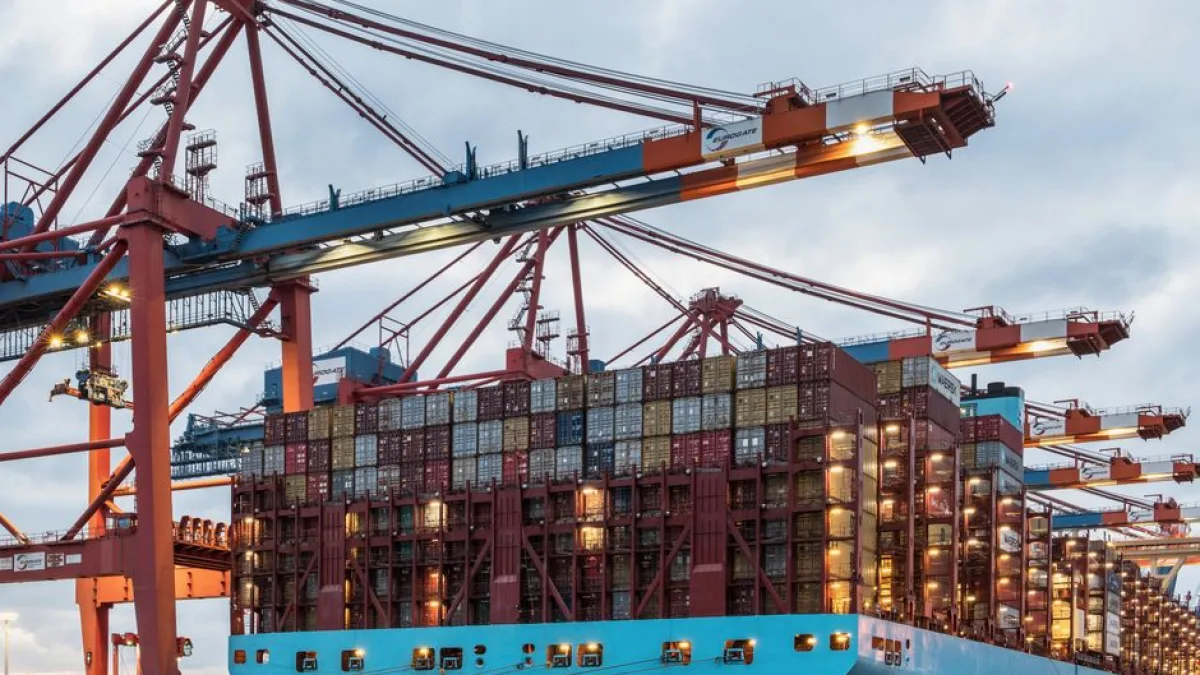
Efficient supply chain management requires constant monitoring of international freight movements across multiple modes of transport. Utilizing integrated software ensures that every transition point, from inland trucking to ocean freight, is synchronized to prevent delays and costly container dwell times.
- Seamless Modal Integration: Managing multi-modal transportation effectively requires a single software interface that connects road, rail, air, and sea legs into one cohesive shipment timeline map.
- Proactive Delay Mitigation: Receiving automated alerts regarding port congestion or weather disruptions allows your team to reroute cargo before issues cause significant delays for your customers.
- Vendor Communication Hubs: Centralizing communication with carriers and local agents inside your platform prevents important details from being lost in crowded email inboxes and speeds up responses.
- Customs Compliance Automation: Staying updated with international trade regulations is simplified when your software includes built-in compliance checks for various destination country import requirements and tariffs.
- Inventory Visibility Improvements: Providing your clients with granular visibility into their inventory levels helps them manage their own production schedules and improves overall supply chain reliability levels.
Optimizing your supply chain requires a proactive mindset backed by reliable technology that monitors every variable. By synchronizing your data across international borders, you create a seamless experience for your clients and improve your operational margins. Investing in these sophisticated coordination tools allows your company to handle complex global logistics with confidence, turning logistics management into a key differentiator for your business success.
Enhancing Client Service Standards

Delivering exceptional client service is the hallmark of a successful freight forwarding firm. By leveraging technology to provide proactive updates and personalized reporting, you differentiate your service offering while building long term loyalty with your most important commercial shipping partners.
- Proactive Shipment Notifications: Automated email or text updates keep your clients informed of their cargo location without them needing to request status updates from your staff.
- Customised Reporting Tools: Offering clients the ability to download custom reports on their shipping history helps them perform their own internal analysis and improves their operations.
- Transparent Cost Breakdowns: Presenting clear and itemized invoices builds significant trust by ensuring clients understand exactly what they are paying for in each stage of transport.
- Personalized Account Management: Technology handles the repetitive tasks, allowing your account managers to spend more time building strong relationships and solving unique client problems for them.
- Secure Digital Payments: Integrating fast and secure digital payment gateways into your client portal streamlines the billing process and improves your company cash flow cycles.
Focusing on the client experience ensures that your freight forwarding business remains the preferred partner in a crowded market. When you use software to bridge the communication gap, you provide a level of transparency that was previously impossible to achieve. This human centric approach, supported by technical efficiency, creates lasting value for your clients and establishes your brand as a reliable industry leader.
Scaling Your Logistics Business

Sustainable growth in the freight sector relies on your ability to scale operations efficiently without compromising service quality. Building a business model around cloud technology allows your team to expand into new markets and handle higher volumes of freight with minimal overhead.
- Flexible Resource Allocation: Cloud based systems allow your staff to work from any location in the world while accessing the same critical data and operational tools.
- Predictable Software Costs: Choosing subscription based software models makes it easier for leadership to forecast expenses and plan investments for your long term business growth.
- Integration With Carriers: Linking your platform directly to major carrier APIs automates booking and tracking processes, enabling you to handle significantly larger cargo volumes every month.
- Simplified Staff Training: Intuitive user interfaces ensure that your new team members can quickly learn your systems and become productive contributors to your operations within weeks.
- Actionable Growth Insights: Utilizing detailed reports on your most profitable routes and customers helps you focus your sales efforts where they generate the most revenue.
Scaling your logistics business is much easier when your infrastructure supports agility and rapid adaptation. By removing the barriers to entry in new trade lanes and streamlining internal workflows, you set your company on a path toward long term financial health. Focus on building systems that reduce complexity, allowing your team to handle global freight expansion with speed, precision, and consistent service excellence.
Conclusion

The future of freight forwarding rests on the successful integration of digital solutions into everyday operations. By prioritizing transparency, automation, and client centric service, your business can navigate the challenges of modern trade with ease. Start evaluating your current software capabilities today to ensure your firm remains competitive. Reach out to the MakeCargo team to discover how our platform scales your logistics operations efficiently.