Navigating the Future of Freight Forwarding Efficiency
Friday, August 7 2026

The global logistics landscape is undergoing a profound transformation as technology reshapes how goods move across international borders. Freight forwarders are increasingly tasked with managing complex supply chains while maintaining strict cost control and transparency for their clients. Digital adoption has moved from a competitive advantage to a fundamental requirement for survival in this fast-paced market. As we look toward the future, the integration of cloud-based platforms will determine which companies thrive and which fall behind. Adapting to these shifts requires a strategic focus on data accuracy, process automation, and robust communication protocols to ensure seamless operations.
Embracing Cloud Automation
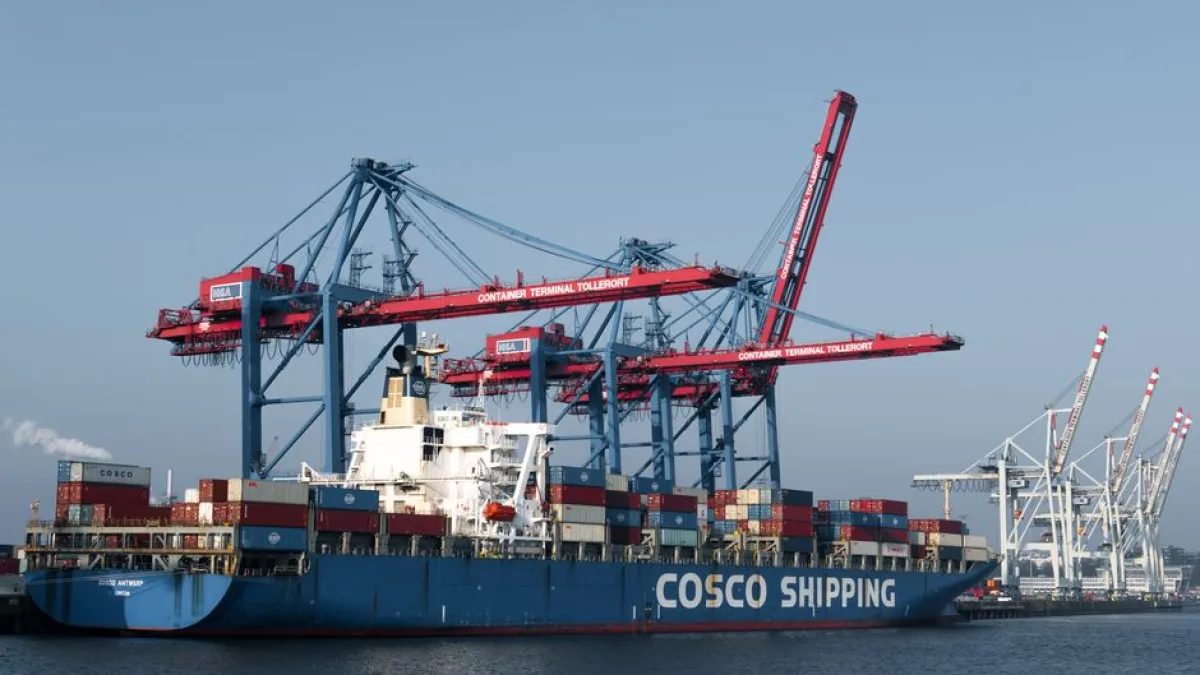
Modern digital platforms transform traditional workflows by replacing manual data entry with automated synchronization. This shift minimizes human error and accelerates processing times significantly. By leveraging cloud tools, forwarders gain a centralized view of their logistics ecosystem, ensuring that every stakeholder remains informed of real-time shipment updates throughout the entire journey.
- Centralized Data Access: Cloud systems provide a single source of truth for all documentation, allowing your team to retrieve vital shipping files instantly without searching through endless email threads.
- Process Workflow Automation: Automated triggers handle repetitive tasks like invoice generation and status updates, freeing your staff to focus on solving complex logistical challenges and building client relationships.
- Enhanced Team Collaboration: Real-time synchronization enables different departments to view the same shipment data simultaneously, which reduces internal friction and speeds up the overall clearance and delivery cycle.
- Scalable Infrastructure Growth: Cloud software allows your firm to expand operations quickly without the need for significant hardware investments, providing the agility to handle seasonal spikes in volume.
Adopting automated solutions is no longer a luxury for modern freight forwarders. It serves as the primary engine for operational excellence in an increasingly crowded marketplace. By moving away from legacy paper-based systems, your team can achieve greater precision and speed. Start optimizing your core workflows today to ensure that your business remains competitive and prepared for the next wave of global shipping demands.
Optimizing Global Supply Chains

Supply chain visibility remains the biggest challenge for international logistics providers. Clients demand transparency, and providing it requires sophisticated tracking technology integrated directly into your workflow. By implementing smart software solutions, you can turn chaotic shipment data into clear, actionable insights that build trust and long-term loyalty with your most important enterprise-level freight customers.
- Live Shipment Tracking: Provide your clients with instant visibility into their cargo locations, which helps them plan their inventory cycles more effectively while reducing the need for status inquiries.
- Exception Management Alerts: Proactive notifications inform you about potential delays before they impact your clients, allowing you to suggest alternative routing options to maintain strict delivery schedules consistently.
- Data Driven Decision Making: Analytical dashboards highlight inefficiencies in your current carrier partnerships, enabling you to negotiate better rates and choose more reliable routes based on actual performance.
- Unified Communication Channels: Secure messaging portals integrated into your platform ensure that all logistics discussions are documented and accessible to the relevant project stakeholders at all times.
Visibility serves as the bedrock of modern logistics partnerships. When you provide clear information to your customers, you position your firm as a strategic partner rather than just a vendor. Use these advanced visibility tools to differentiate your service offering from competitors who still rely on manual reporting. Success in this area will lead to higher retention rates and more consistent referral business.
Securing Digital Freight Operations

As the industry digitizes, the importance of robust data security has never been higher. Protecting sensitive client information and shipment details from cyber threats is a critical component of professional freight forwarding. A secure platform does more than just move cargo; it safeguards your reputation and ensures that you remain compliant with the latest global data protection regulations.
- Advanced Data Encryption: Industry-standard security protocols protect all incoming and outgoing shipment information, ensuring that your client data remains private and safe from unauthorized access by third parties.
- Role Based Access: Administrators can define strict user permissions, ensuring that employees only access the specific information needed for their roles, which limits internal risk and oversight.
- Regulatory Compliance Standards: Your software must adhere to international data privacy laws, keeping your firm shielded from legal penalties while building trust with global partners in sensitive markets.
- Automated System Backups: Regular cloud backups ensure that your operational data remains recoverable in the event of hardware failure or localized system issues, keeping your business fully operational.
Security builds a foundation of reliability that your customers will notice immediately. Do not treat cybersecurity as an afterthought in your digital strategy. By investing in a secure platform today, you prevent potential disasters and protect your brand from the negative impacts of data breaches. Prioritize these safety protocols to ensure that your logistics operations remain resilient against both digital and operational threats.
Scaling Through Strategic Partnerships

Growth in the freight sector often depends on building strong alliances with reliable carriers and tech providers. A unified software ecosystem makes it easy to integrate with partners, creating a seamless flow of information that benefits everyone. When your systems speak the same language, you can handle more shipments with less effort, allowing your business to scale rapidly without compromising service.
- Seamless API Integration: Connecting your platform with global carrier systems allows for instant rate retrieval and automated booking, significantly reducing the administrative workload for your operations team.
- Partner Network Efficiency: Shared digital portals allow your agents to update shipment status directly, ensuring that you receive the most accurate data possible throughout the entire journey.
- Automated Partner Payments: Integrated financial modules streamline the settlement process with carriers, reducing billing errors and maintaining healthy professional relationships with your essential global logistics service providers.
- Customizable Reporting Tools: Generate shared reports for your partners that track performance metrics, ensuring that everyone in your network is aligned on service expectations and operational goals.
Effective partnerships form the backbone of a successful freight forwarding firm. By using technology to bridge the gap between your office and your partners, you create a more efficient and responsive supply chain. Focus on selecting software that prioritizes integration and connectivity. This approach will simplify your daily operations and provide the necessary support to scale your logistics business to new heights.
Conclusion

Advancements in technology offer immense potential for those willing to embrace change within the freight industry. By integrating automated tools, improving visibility, and prioritizing security, your firm will be well positioned for future success. Continuous improvement is the key to thriving in this dynamic field. Evaluate your current software capabilities today and take the necessary steps to refine your logistics operations for long-term growth.