Navigating the Future of Freight Forwarding Efficiency
Sunday, August 9 2026

The logistics landscape is shifting rapidly as global trade patterns evolve and digital transformation becomes the standard for operational survival. Freight forwarders today face immense pressure to balance rising customer expectations with the complexities of fragmented supply chains and fluctuating market conditions. By leveraging advanced cloud-based platforms, forwarders can reclaim time spent on manual data entry and focus instead on strategic growth. This article explores the core pillars of modernization that will define the success of logistics providers in the coming years. Embracing these technological shifts is no longer optional for firms aiming to maintain a competitive advantage in a volatile international market.
Digital Transformation Strategies

Modernizing a freight operation begins with the shift toward unified digital dashboards that aggregate real-time data from across the entire supply chain. This approach eliminates the reliance on disconnected systems and fosters better visibility for both employees and end-customers alike.
- Centralized data management: Consolidating your shipping documents and client communications into one cloud-based system reduces errors and ensures that every team member accesses the most accurate information available daily.
- Automated billing processes: Integrating automated invoicing reduces the cycle time for accounts receivable while minimizing human error and ensuring that your cash flow remains healthy throughout the fiscal year.
- Enhanced shipment tracking: Providing customers with live visibility into their cargo location improves transparency and trust while reducing the volume of inbound status inquiries handled by your staff.
- Predictive analytics adoption: Utilizing historical shipping data to forecast future demand allows your firm to allocate resources more efficiently and prepare for peak season capacity requirements well ahead.
- Cloud system scalability: Choosing software that scales with your growing volume of transactions ensures that your digital infrastructure supports long term expansion without requiring expensive and disruptive hardware replacements.
Transitioning to a fully integrated digital environment is a transformative step for any freight business aiming to improve its bottom line. By prioritizing data accuracy and system interoperability, forwarders can significantly enhance their internal workflows. This transition allows teams to spend less time troubleshooting data discrepancies and more time building strong, lasting relationships with clients who demand both speed and precision in today's digital age.
Optimizing Global Supply Chains

Global supply chain optimization requires a proactive stance on routing and carrier selection to manage the impacts of unforeseen disruptions. Forwarders who utilize smart software solutions gain the agility needed to pivot quickly when traditional shipping lanes experience severe volatility.
- Dynamic route planning: Identifying the most efficient paths for cargo movement helps avoid delays and reduces total transit time for sensitive goods that require rapid and reliable delivery.
- Vendor performance monitoring: Evaluating carrier reliability through consistent data tracking allows you to select partners who consistently meet deadlines and maintain high standards of safety and compliance.
- Cost reduction initiatives: Analyzing freight spend across different modes of transport identifies opportunities to consolidate shipments and lower overall shipping costs for your most loyal client accounts.
- Risk management frameworks: Establishing protocols for potential bottlenecks ensures your team reacts promptly to port congestion or political instability without compromising the safety of the shipped goods.
- Inventory visibility tools: Managing stock levels effectively in coordination with shipping schedules prevents expensive warehousing fees and keeps goods moving seamlessly toward their final retail destination points.
Achieving excellence in supply chain management demands constant attention to detail and a commitment to data-driven decision making. Forwarders who prioritize these strategies gain the flexibility required to survive unexpected disruptions. By refining routing options and maintaining strong partnerships, firms protect their margins while ensuring superior service levels. This operational excellence serves as the bedrock for building a resilient business that thrives under pressure.
Enhancing Customer Experience

Customer expectations for transparency and speed are at an all-time high in the modern logistics sector. By offering self-service portals and personalized communication, forwarders create a premium experience that builds brand loyalty and encourages repeat business from high-value shipping partners.
- Client self-service portals: Giving customers 24-hour access to their shipping documents and status updates empowers them to manage their own needs without constant support team intervention for updates.
- Personalized communication workflows: Tailoring notifications based on specific customer preferences ensures that your clients receive critical information exactly when they need it most throughout the shipping process.
- Proactive status updates: Alerting customers to potential issues before they become major problems demonstrates value and competence while reducing frustration caused by unexpected delays during transit phases.
- Responsive support systems: Implementing ticketing systems or live chat features ensures that client queries receive prompt attention from qualified staff members equipped with the right information today.
- Feedback collection cycles: Regularly surveying customers regarding their experience allows you to identify areas for improvement and demonstrate a commitment to service excellence within your organization structure.
The modern logistics client expects more than just physical transit of goods. They demand digital convenience and transparent communication at every stage of the shipment cycle. By investing in tools that simplify the customer journey, forwarders differentiate their brands in a crowded marketplace. This focus on service quality turns casual users into brand advocates who drive growth through positive word of mouth and referrals.
Building Sustainable Logistics
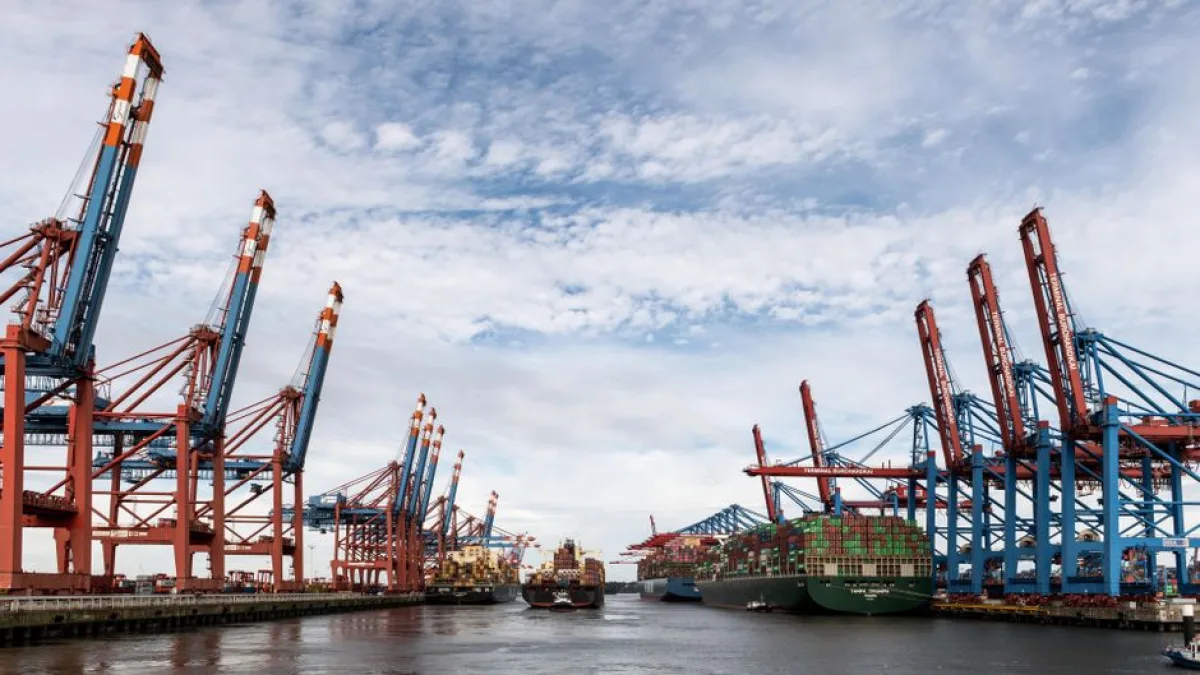
Sustainability is becoming a core requirement for both regulatory compliance and market appeal in the freight industry. Adopting green logistics practices helps forwarders reduce their carbon footprint while simultaneously meeting the environmental mandates set by their international shipping and corporate clients.
- Carbon footprint tracking: Integrating tools that calculate CO2 emissions for various transport modes allows clients to make informed choices that align with their own corporate sustainability and targets.
- Optimized load planning: Maximizing container space usage reduces the total number of shipments required, which effectively lowers fuel consumption and limits the environmental impact per transported unit.
- Eco-friendly carrier selection: Prioritizing partners who use newer, more fuel-efficient vessels or electric ground transport helps forwarders contribute to a cleaner industry while improving their own green rating.
- Waste reduction efforts: Implementing paperless workflows throughout your administrative and operational processes minimizes physical waste and contributes to a more efficient and environmentally friendly office operation daily.
- Compliance reporting standards: Automating the creation of sustainability reports ensures your firm meets increasingly complex environmental regulations without adding significant administrative overhead to your existing team's workload.
Sustainability is no longer a niche concern, but a central component of modern freight operations. By embracing green initiatives, forwarders align themselves with the global move toward environmental responsibility. These practices not only appeal to eco-conscious clients but also drive operational efficiency through waste reduction. As regulations tighten, forwarders who start this journey now will lead the industry into a cleaner, more profitable future.
Conclusion
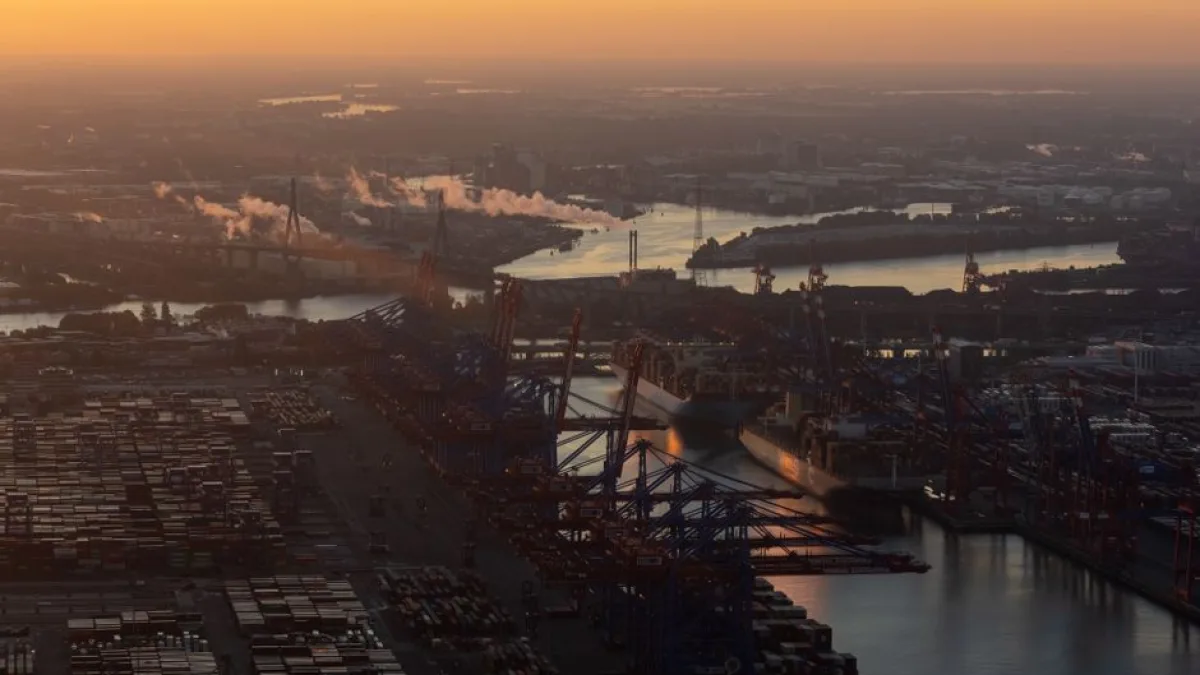
The freight forwarding industry is entering an era defined by rapid technological adoption and an unwavering focus on operational efficiency. By leveraging digital tools for data management, customer service, and sustainability, forwarders can navigate the complexities of global trade with confidence. Implementing these strategies today will position your firm for long-term growth. Explore the MakeCargo platform to modernize your operations and achieve success.