Navigating the Future of Freight Forwarding Efficiency
Monday, August 17 2026

The global logistics landscape is undergoing a profound transformation as technology reshapes how goods move across international borders. Freight forwarders are increasingly tasked with managing complex supply chains while maintaining strict cost control and transparency. At MakeCargo, we observe that the transition from legacy paper-based systems to integrated cloud solutions is no longer optional for firms seeking to remain competitive. As we enter a new era of digital logistics, professionals must embrace automation to mitigate human error and speed up customs clearances. Adapting to these rapid changes will ensure that your logistics operations remain resilient in an increasingly volatile global market.
The Shift to Digital Operations

Modern digital platforms are providing forwarders with real time visibility into their operations, replacing static spreadsheets with dynamic data. This shift allows teams to monitor cargo movements, manage documentation, and respond to sudden supply chain disruptions with unprecedented speed and accuracy.
- Automated Data Entry: Eliminating manual input significantly reduces operational errors and frees up your staff to focus on strategic client relationship management and higher level business development activities.
- Centralized Cloud Storage: Keeping all shipment documents in a unified cloud environment ensures that your entire team has immediate access to critical paperwork from any global location.
- Real Time Tracking: Integrated tracking systems provide your customers with accurate status updates on their cargo, which boosts transparency and strengthens trust with your long term clients.
- Seamless API Integrations: Connecting your freight software with carriers and customs authorities streamlines data exchanges, reducing the time spent on repetitive tasks and redundant communication channels.
Adopting digital tools represents a massive leap forward for small to medium freight forwarding companies. By removing the friction associated with fragmented communication and siloed data, your firm can process more shipments per month without increasing your head count. This scalability is essential for survival in a market where efficiency is the primary differentiator between successful industry leaders and those struggling to grow.
Optimizing Warehouse Resource Management
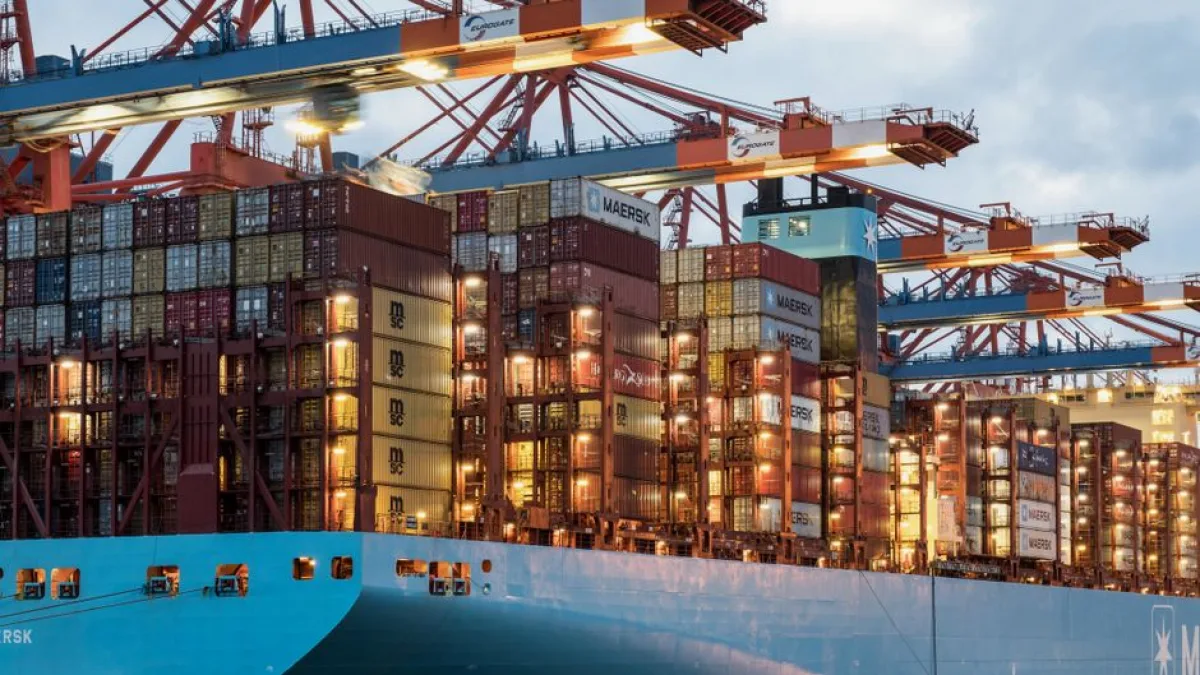
Efficient warehouse management is the backbone of any successful freight operation. By utilizing smart software to coordinate intake, storage, and outbound logistics, companies can maximize their floor space utilization and reduce the time spent searching for misplaced items during peak seasons.
- Inventory Tracking Accuracy: Digital scanners and automated logging systems prevent inventory shrinkage while ensuring that every piece of cargo is accounted for within your facility at all times.
- Optimized Space Allocation: Intelligent algorithms suggest the most efficient storage locations for incoming goods, which minimizes travel time for warehouse staff and speeds up daily fulfillment cycles.
- Safety Compliance Monitoring: Automated alerts remind your team to conduct equipment maintenance and safety checks, ensuring that your facility meets all international labor and logistics standards daily.
- Scalable Storage Solutions: Software that adapts to your fluctuating volume helps you manage busy holiday peaks without requiring expensive physical expansions or additional manual monitoring resources.
Managing a warehouse effectively requires a delicate balance of speed and precision. When your digital tools are aligned with your physical operations, you gain the ability to handle larger volumes of freight while maintaining a high standard of service quality. This operational harmony not only reduces overhead costs but also positions your company as a reliable partner capable of handling demanding global distribution requirements.
Enhancing Customer Communication Standards

Providing a superior client experience is a fundamental requirement in the modern logistics sector. By leveraging automated communication tools, freight forwarders can keep their clients informed at every stage of the journey, which effectively lowers the number of incoming inquiries.
- Automated Status Alerts: Sending instant updates to clients when their shipment changes status saves your customer service team hours of repetitive email communication throughout the work week.
- Client Portal Access: Providing a secure web portal for your customers allows them to view their documents and invoices independently, increasing their satisfaction and their operational autonomy.
- Multi-Channel Support: Integrating various communication platforms ensures that no inquiry falls through the cracks, allowing your support staff to maintain a high response rate at all times.
- Proactive Problem Solving: Predictive analytics allow you to inform clients about potential delays before they become major issues, which builds long term confidence in your forwarding services.
Excellent service is ultimately about visibility and reliability in the eyes of your clients. When you provide constant transparency throughout the shipping process, you remove the anxiety that often accompanies international freight movements. This high level of professional care turns one-time shippers into loyal repeat customers who will advocate for your business in a competitive market filled with many different options.
Embracing Scalability through Cloud Software
As your forwarding business grows, your software infrastructure must be able to scale alongside your operations. Cloud-based platforms offer the flexibility needed to add new users, expand into international markets, and adopt new features without needing a major overhaul of your existing digital hardware.
- Global Market Expansion: Cloud software allows you to open new branches or coordinate with overseas agents easily, as the entire system remains accessible from any standard web browser.
- Flexible User Licensing: Paying only for the seats you actually need allows you to manage your software budget effectively while preparing your infrastructure for future rapid growth.
- Instant Feature Updates: Choosing cloud solutions ensures your team always works with the latest software improvements, protecting your business against outdated processes and increasing security system vulnerabilities.
- Secure Data Backups: Automated cloud backups protect your company from data loss events, ensuring that your critical shipping records are safe even if a local hardware failure occurs.
Investing in scalable cloud technology is a commitment to the future viability of your firm. By choosing a flexible platform that grows with you, you avoid the common pitfalls of technical debt and fragmented systems. This strategic decision ensures that your operations remain agile and responsive to the needs of the market while keeping your internal processes organized, efficient, and cost-effective for years.
Conclusion

Future-proofing your freight forwarding business is a continuous process that requires a focus on efficiency, technology, and customer satisfaction. By integrating modern software, you can streamline your workflows and gain a significant edge over the competition. We invite you to explore how our platform can support your growth journey. Contact the MakeCargo team today to start building a more agile and profitable business.